2026 Best Heparin Tubes for Global Buyers?
For global buyers, choosing the best Heparin Tubes in 2026 requires more than comparing prices. A reliable tube must protect plasma quality from collection through laboratory analysis. Sodium heparin and lithium heparin serve different testing preferences. Their performance can change with chemistry, instrument platforms, and local laboratory workflows.
Small details matter. Buyers should examine additive uniformity, tube vacuum stability, fill volume, stopper integrity, and material compatibility. A pale green tube may look acceptable, yet poor coating can produce unreliable results. Dr. Giuseppe Lippi, a respected laboratory medicine expert, has stated, “The preanalytical phase remains the most vulnerable part of laboratory testing.” His point is practical. Heparin Tubes influence results before the analyzer begins.
Global sourcing also requires careful supplier verification. Review quality certificates, batch records, stability data, complaint history, and independent performance evidence. Confirm whether the manufacturer supports the destination market’s requirements. Packaging should survive long transport, temperature changes, and warehouse handling. A cracked tray or loose cap is not a minor issue.
No single tube wins everywhere. That assumption fails.
A buyer serving hospitals in Europe may need different documentation than one supplying laboratories in Southeast Asia or Latin America. Cost still matters, but the cheapest product can create hidden losses through recollection, rejected samples, and delayed reporting. The better decision balances analytical performance, supply continuity, technical support, and transparent evidence. Some specifications remain unclear across suppliers, and buyers should challenge them. Careful questions often reveal the real quality difference.
What Are Heparin Tubes and How Do They Work?
2026 Best Heparin Tubes for Global Buyers?
What Are Heparin Tubes and How Do They Work?
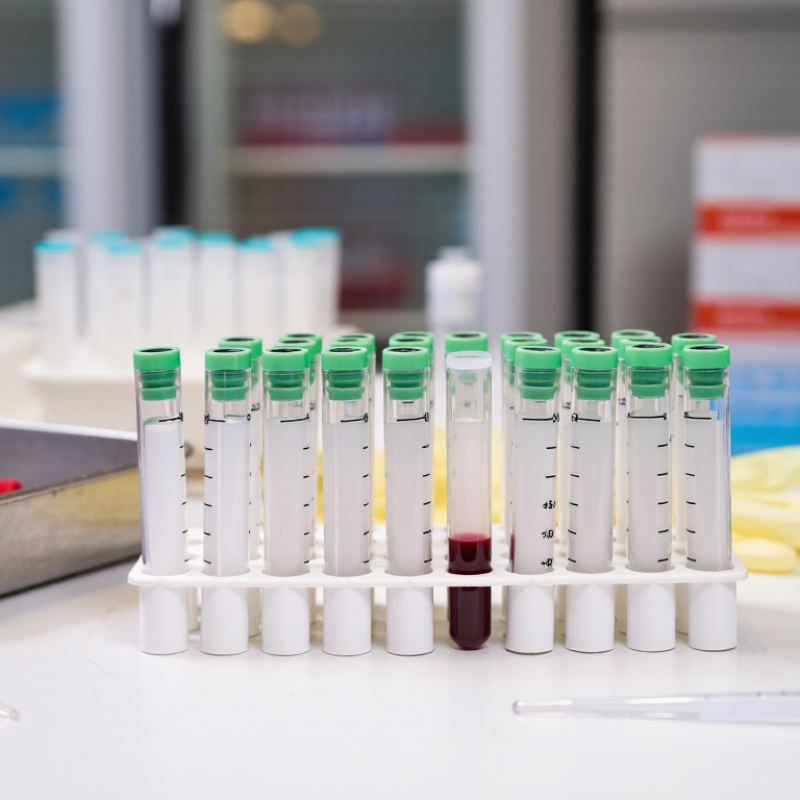
Heparin tubes collect plasma for chemistry, electrolyte, and blood-gas testing. Their inner walls contain lithium, sodium, or ammonium heparin. Heparin activates antithrombin, which suppresses thrombin and factor Xa. This prevents fibrin formation while keeping blood mostly liquid. After centrifugation, laboratories can separate plasma faster than serum.
The difference matters at the bench. A green-top tube may appear ready for every chemistry test. It is not. Heparin can interfere with some assays, especially coagulation measurements and selected drug tests. CLSI GP41 recommends gentle inversion after collection, commonly eight to ten times. Excessive shaking may create foam or hemolysis. A review in Biochemia Medica found that preanalytical problems represent roughly 46%–68% of laboratory errors. That figure makes tube handling impossible to dismiss.
Tips: Global buyers should check additive type, fill volume, vacuum stability, sterility, and ISO 6710 compliance. Confirm the material works with local analyzers. Ask for lot-specific validation data, not only a general certificate. Storage conditions also deserve attention, especially during humid ocean transport. My practical concern is simple: a lower purchase price can hide poor mixing performance or unstable vacuum. The tube may look acceptable. The result may not.
Which Heparin Tube Types Are Available in 2026?
In 2026, global buyers can usually source several heparin tube types. Lithium heparin tubes are common for plasma chemistry testing. They may include a gel separator or contain only liquid heparin. Gel versions support cleaner plasma separation after centrifugation. This helps when analyzers require stable, particle-reduced samples. However, gel performance can vary with storage temperature and centrifuge settings.
Sodium heparin tubes remain useful for selected chemistry and specialized laboratory procedures. They can interfere with sodium measurements, so laboratories should check each test requirement carefully. Ammonium heparin tubes are less common and usually serve narrow, validated applications. Some suppliers also offer balanced-heparin formats for blood gas collection. These products aim to reduce electrolyte bias, but they still require correct filling and gentle mixing.
Small laboratories and pediatric departments may choose microcollection heparin tubes. Their reduced volume can limit waste, although insufficient samples are easier to produce. Buyers should compare tube volume, material, clot protection, shelf life, and centrifuge instructions. Cap color alone is unreliable across countries. I would verify the instructions for use, local registration, and analyzer compatibility before ordering. One practical issue is often missed: staff technique affects results as much as tube design. Overmixing can damage cells, while delayed separation may change plasma values.
2026 Best Heparin Tubes for Global Buyers? - Which Heparin Tube Types Are Available in 2026?
| Heparin Tube Type | Common Cap Color* | Anticoagulant | Specimen Produced | Typical Applications | Gel / Separator | Recommended Inversion | Key Purchasing Considerations |
|---|---|---|---|---|---|---|---|
| Lithium Heparin Tube | Green | Lithium heparin | Plasma | Routine chemistry, electrolytes, enzymes, renal and liver profiles, selected immunoassays | Usually no gel | Gently invert 8–10 times immediately after collection | Widely used for plasma chemistry; avoid when lithium measurement is required because the additive may interfere with lithium testing. |
| Lithium Heparin Plasma Separator Tube | Light green or green-gray | Lithium heparin with polymer gel | Separated plasma | High-throughput clinical chemistry, urgent testing, selected therapeutic drug monitoring | Polymer separator gel | Gently invert 8–10 times; centrifuge according to the tube instructions | Useful for workflow efficiency; confirm gel compatibility with the analyzer, assay, and storage conditions. |
| Sodium Heparin Tube | Green or dark green | Sodium heparin | Plasma | Clinical chemistry, specialized plasma testing, selected blood gas or cytogenetic procedures | Usually no gel | Gently invert 8–10 times immediately after collection | Suitable when lithium contamination must be avoided; sodium content can affect tests involving sodium balance. |
| Sodium Heparin Plasma Separator Tube | Light green or green-gray | Sodium heparin with polymer gel | Separated plasma | Plasma chemistry and selected specialized laboratory tests | Polymer separator gel | Gently invert 8–10 times; centrifuge according to the instructions for use | Check the separator material and validated centrifugation settings before routine adoption. |
| Ammonium Heparin Tube | Color varies by manufacturer | Ammonium heparin | Plasma | Specialized research or validated laboratory procedures | Usually no gel | Follow the tube manufacturer’s instructions | Less common for routine clinical chemistry; avoid for assays affected by ammonium unless specifically validated. |
| Trace-Element Heparin Tube | Royal blue; may vary by additive | Low-contamination sodium or lithium heparin | Plasma | Selected trace-element and toxicology testing, including certain metals | Usually no gel | Follow the validated collection protocol | Requires low-background materials and controlled manufacturing; verify the exact additive and certification for the target analyte. |
| Heparin Blood Gas Syringe or Tube | Usually not identified by a universal tube color | Balanced heparin or dry electrolyte-balanced heparin | Whole blood | Blood gases, pH, electrolytes, and selected critical-care measurements | Not applicable | Mix gently according to the blood-gas collection protocol | Electrolyte-balanced formulations help reduce additive-related bias; minimize air exposure and analyze promptly. |
| Heparinized Microcollection Tube | Green or color-coded microtube cap | Lithium or sodium heparin | Plasma or whole blood, depending on design | Low-volume chemistry testing, pediatric and difficult-collection specimens | Usually no gel; some products include a separator | Mix gently according to the product instructions | Confirm minimum fill volume, dead volume, capillary collection suitability, and analyzer validation. |
| Heparinized Capillary Tube | Color varies by application | Heparin coating | Small-volume whole blood | Point-of-care blood gas and selected micro-sampling procedures | Not applicable | Mix immediately and avoid clot formation | Review internal diameter, coating uniformity, sample volume, sealing method, and compatibility with the analyzer. |
How to Compare Heparin Tube Quality and Performance
2026 Best Heparin Tubes for Global Buyers?
How to Compare Heparin Tube Quality and Performance
Choosing heparin tubes requires more than checking color, size, or price. Compare the heparin type, concentration, tube material, and stated blood volume. These details can affect plasma quality and test consistency. A reliable tube should show clear lot identification, production dates, storage conditions, and documented quality controls.
Look closely at the tube interior. It should appear clean, uniform, and free from visible particles. The stopper should fit firmly without excessive force. During routine evaluation, I compare filling accuracy, inversion performance, centrifugation results, and hemolysis rates. Small differences become obvious after repeated handling. One detail is easy to miss.
Review the manufacturer’s instructions for the intended analyzer and sample workflow. Confirm the recommended mixing count and processing time. Check whether the tube supports the temperatures and transport conditions used in your region. Global buyers should also examine packaging strength, language support, traceability, and batch consistency. A low price means little if damaged cartons arrive or replacement lots behave differently.
Independent verification remains important. Test samples from more than one lot when possible. Compare plasma appearance, volume recovery, and key assay results against your current tube. Some evaluations may seem simple, but they can reveal practical problems. My own comparison process is not perfect; operator technique can influence findings. Repeating the trial with trained staff makes the decision more reliable.
What Global Buyers Should Check Before Purchasing
2026 Best Heparin Tubes for Global Buyers?
What Global Buyers Should Check Before Purchasing
Global buyers should match the heparin tube to the exact testing method. Lithium heparin tubes are common for plasma chemistry and electrolyte testing. However, laboratory instruments may require different tube sizes, fill volumes, or separator designs. Confirm the additive type, concentration, tube material, and intended specimen volume. A wrong combination can affect results.
Check the manufacturing evidence before discussing price. Ask for batch records, certificates of analysis, sterility information, and clear lot traceability. The label should show the expiration date, storage temperature, tube type, and lot number. Inspect sample tubes for cracked walls, loose caps, uneven additive coating, or vacuum loss. Small defects matter.
They can delay testing.
Review real-world performance with your laboratory team. Compare plasma yield, clot formation, hemolysis rates, mixing instructions, and centrifugation requirements. Request stability data for the expected shipping route, especially where temperatures change sharply. Packaging should protect tubes from pressure, impact, and moisture during international transport. Confirm minimum order quantities, production lead times, replacement procedures, and technical support.
Compliance documents deserve careful checking. Requirements differ between countries and healthcare systems. Do not rely on a sales sheet alone. Ask whether the product is registered or accepted for your intended market, and verify documents with qualified local professionals. A lower price may hide inconsistent supply or weak after-sales support. I have found that purchasing teams sometimes judge samples too quickly. One successful trial is useful, but not enough. Temperature exposure, operator habits, and analyzer differences can change the outcome.
How to Evaluate Suppliers, Compliance, and Delivery Risks
For global buyers, selecting heparin tubes requires more than checking unit prices. Evaluate the supplier’s manufacturing experience, quality system, and product consistency. Request current certificates, product specifications, sterilization records, and batch traceability documents. Confirm that the tube material, additive concentration, fill volume, and recommended storage conditions match your laboratory procedures. Small differences can affect test accuracy.
Compliance must be verified for every destination market. Ask whether the supplier supports local registration, labeling, language, and import documentation. Review inspection records and complaint-handling procedures. A reliable supplier should explain corrective actions clearly, not hide behind general statements. Delivery risk also deserves practical testing. Check production capacity, lead times, safety stock, packaging strength, and temperature-control arrangements. Request samples from different batches. One successful sample is not enough.
Tips: Build a written supplier scorecard. Include quality, compliance, communication, and delivery performance. Ask for realistic lead times, not optimistic promises. Confirm backup transport options and a clear escalation contact. Keep buffer inventory for critical testing periods. Still, no evaluation is perfect. Forecasts can be wrong, and certificates may become outdated. Recheck documents before each major order, especially when regulations, packaging, or manufacturing sites change. A short audit, even remotely, can reveal more than a polished sales presentation.