
2026 Top Virtual Game System Suppliers for Global Buyers
The 2026 market for Virtual Game System suppliers is becoming more competitive, connected, and demanding. Global buyers now expect stable hardware, responsive software, secure payments, and dependable after-sales service. A polished demo is not enough. Real performance appears during peak traffic, software updates, and unexpected network interruptions.
This guide examines suppliers through practical purchasing criteria. It considers system compatibility, game content management, user access controls, data protection, installation support, and long-term maintenance. It also reviews supplier experience across different markets, because a successful deployment in one region may not transfer smoothly elsewhere. Local language support, technical training, shipping reliability, and documented compliance can influence the final result significantly.
Small details matter. A buyer may notice loading delays on a wall-mounted display, unclear warranty terms, or missing replacement parts. These issues can increase operating costs quickly. Supplier claims should be checked against product demonstrations, customer references, test reports, and written service agreements. Independent verification remains valuable, even when the supplier appears established.
Some comparisons will remain imperfect. Public information can be incomplete, and product specifications may change during 2026. Therefore, rankings should support careful investigation rather than replace it. Responsible buyers should request current certifications, transparent pricing, implementation timelines, and clear escalation procedures. The strongest suppliers combine technical capability with honest communication, measurable support, and respect for applicable laws in every target market. Reliability is built after installation, not promised before it.
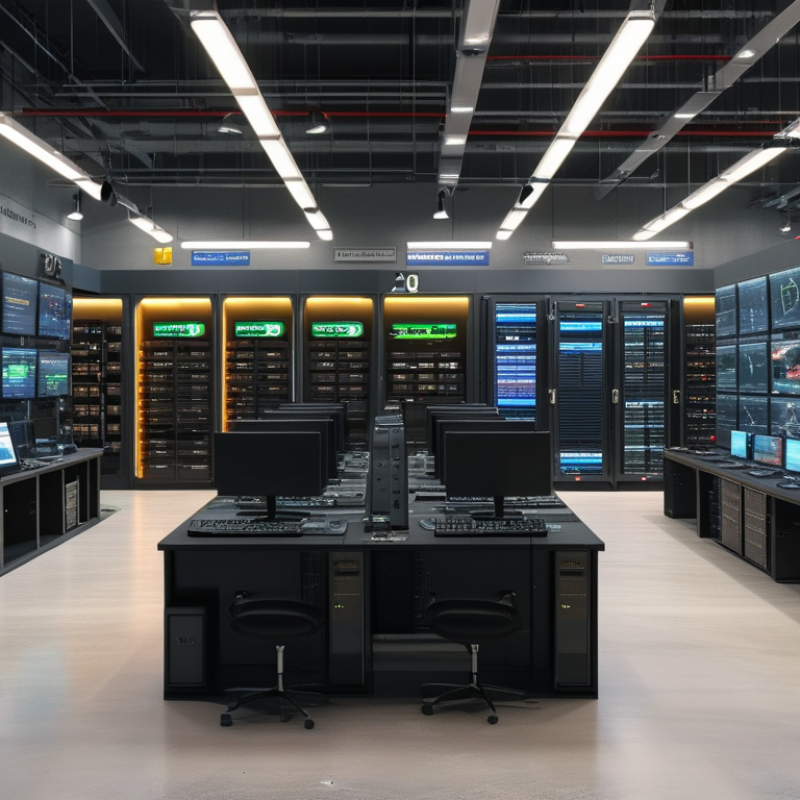
Definition and Scope of Virtual Game Systems in 2026
Virtual game systems are connected platforms that deliver interactive play through hardware, software, networks, or mixed reality. They include consoles, cloud gaming terminals, mobile devices, virtual reality headsets, motion controllers, operating systems, digital stores, and player-support services. The scope is wider than a physical console. A supplier may provide one component or an integrated system.
Newzoo’s 2024 Global Games Market Report estimated 3.42 billion players worldwide and approximately $187.7 billion in game revenue. These figures show why global buyers now assess complete ecosystems, not isolated devices. Buyers should examine latency, regional server coverage, controller durability, content compatibility, data protection, and after-sales support. Small technical weaknesses become obvious in schools, hotels, arcades, and public entertainment venues.
Cloud delivery is expanding the definition further. The 2024 Global Entertainment and Media Outlook from PwC identifies continued growth in digital game access and recurring revenue models. Yet the category remains difficult to measure. Some systems depend on powerful local hardware, while others rely heavily on remote processing. That difference affects cost, maintenance, and user experience. A practical 2026 definition should therefore include the full access chain: device, software, connectivity, payment infrastructure, and technical service. It is not perfect, but it is more useful for supplier comparisons.
Key Features and Technologies Used by Virtual Game System Suppliers
Virtual game system suppliers now compete through adaptable technology, not attractive screenshots alone. Global buyers should examine cloud architecture, server locations, and recovery procedures before signing contracts. A stable platform should support web, mobile, desktop, and dedicated devices without forcing repeated development. Cross-platform compatibility matters.
Low-latency delivery shapes the player’s experience. A delay of 80 milliseconds can make a fast action feel noticeably late. Suppliers may use regional hosting, content delivery networks, and real-time data optimization to reduce this problem. Still, performance varies across countries. Testing only in major cities can create false confidence. That weakness deserves attention.
Reliable systems also need secure account controls, encrypted data transfer, role-based administration, and clear access logs. Analytics dashboards can show session length, error rates, device usage, and connection failures. Useful APIs help buyers connect payment services, customer support tools, and internal reporting systems through lawful channels. Localization should cover language, time zones, currencies, accessibility settings, and customer service workflows. These details often decide whether a system feels genuinely global.
Experienced suppliers should provide technical documentation, independent security assessments, service-level terms, and practical demonstration environments. Buyers can ask for incident histories and speak with existing customers. No platform is perfect. A supplier that explains limitations openly may be more dependable than one promising flawless uptime. Careful pilot testing remains essential, especially under weak networks and sudden traffic increases.
Leading Virtual Game System Suppliers for Global Buyers
Leading virtual game system suppliers support operators with stable platforms, secure payment connections, and regional compliance tools. Experienced buyers should examine real performance, not polished demonstrations. Ask for uptime records, latency results, incident reports, and independent security assessments. Details matter.
A reliable supplier provides configurable game libraries, multilingual interfaces, and clear administrator controls. Its platform should work smoothly on desktop, tablet, and mobile devices. Test the system from several target regions before signing a long-term agreement. Test before scaling. Review data storage, access permissions, backup schedules, and recovery procedures with technical staff.
Commercial terms also deserve careful attention. Buyers should compare licensing structures, maintenance fees, integration costs, and service-level commitments. A responsive support team can reduce downtime during traffic spikes or software updates. Request customer references from markets with similar regulations and operating conditions. That evidence is valuable.
However, supplier evaluation is rarely perfect. A strong demo may hide slower performance under real traffic. Documentation can also become outdated after frequent platform changes. Keep a written testing record and require updates when specifications change. Independent legal and technical reviews help confirm that the system supports lawful, responsible operation across each intended market.
2026 Top Virtual Game System Suppliers for Global Buyers - Leading Virtual Game System Suppliers for Global Buyers
| Supplier Profile | Primary Operating Region | Core System Type | Typical Deployment | Key Hardware Configuration | Typical Certification Coverage | Standard Warranty | Estimated Production Lead Time | Common Minimum Order | Global Buyer Suitability |
|---|---|---|---|---|---|---|---|---|---|
| Profile 01 | East Asia | Arcade cabinet and interactive simulator systems | Family entertainment centers, shopping malls, amusement venues | Commercial display, stereo speakers, motion controls, industrial computer, token or card reader | Regional electrical safety and electromagnetic compatibility documentation available by market | 12 months for major components | 30–60 days after technical approval | 1–5 complete systems | Suitable for turnkey venue projects and containerized shipments |
| Profile 02 | Western Europe | Virtual reality gaming and free-roam systems | VR parks, museums, educational centers, corporate events | Head-mounted displays, tracking cameras, wireless controllers, local network server | CE-oriented technical file, EMC testing, low-voltage and radio-equipment compliance where applicable | 12–24 months depending on component category | 45–90 days including software configuration | 1 venue package or 2–10 stations | Strong option for regulated venues requiring documentation and training |
| Profile 03 | North America | Competitive esports and multiplayer gaming stations | Esports arenas, gaming lounges, universities, hospitality venues | High-performance PCs or consoles, low-latency network, gaming monitors, ergonomic furniture | Electrical safety listing, FCC-related emissions compliance, network and accessibility documentation as required | 12 months; extended service plans commonly available | 15–45 days for standard configurations | 5–20 stations | Best for buyers prioritizing local installation and service response |
| Profile 04 | Southeast Asia | Compact amusement and redemption game systems | Retail centers, cinemas, resorts, children’s entertainment zones | Compact cabinet, LED display, electronic controls, ticket dispenser, cashless payment interface | Market-specific electrical, EMC and payment-terminal documentation | 12 months | 30–75 days | 5–10 units | Practical for multi-unit rollouts with moderate space requirements |
| Profile 05 | South Asia | Custom gaming kiosks and interactive entertainment units | Hotels, tourism facilities, retail promotions, public venues | Touchscreen, compact computer, camera or sensor module, custom enclosure, remote monitoring | Documentation normally prepared according to destination-market requirements | 6–12 months | 45–90 days for customized projects | 10–25 units | Suitable for buyers needing localized graphics, languages and enclosure design |
| Profile 06 | Middle East | Premium racing, flight and motion simulation systems | Large entertainment complexes, resorts, destination attractions | Motion platform, steering or flight controls, projection or panoramic display, reinforced frame | Electrical safety, EMC and structural safety documentation subject to local approval | 12 months for electronics; service contracts often offered | 60–120 days | 1–3 systems | Appropriate for high-footfall projects requiring installation supervision |
| Profile 07 | Eastern Europe | PC-based simulation and training game systems | Training centers, universities, science museums, public-sector facilities | Modular workstation, sensor array, local server, instructor console, data export tools | CE-oriented documentation and software, cybersecurity and data-protection information on request | 12 months | 30–60 days | 1–10 workstations | A good fit for institutional procurement and modular expansion |
| Profile 08 | Latin America | Location-based VR and multiplayer attraction systems | Indoor amusement parks, family centers, tourism venues | Multiple headsets, synchronized content server, charging stations, operator dashboard | Destination-market electrical, radio and import documentation required before shipment | 12 months | 45–90 days | 1–2 attraction packages | Useful for operators seeking complete content, hardware and staff training |
| Profile 09 | Oceania | Outdoor-capable interactive and motion game systems | Resorts, waterfront attractions, seasonal entertainment sites | Weather-resistant enclosure, commercial display, sealed controls, remote diagnostics | Electrical safety, ingress-protection testing and outdoor installation documentation where applicable | 12 months | 60–100 days | 2–10 units | Best for demanding environments and remote maintenance requirements |
| Profile 10 | Global OEM Exporter | Private-label virtual game systems and integrated venue solutions | International distributors, franchise operators, entertainment chains | Custom cabinet, display, controls, payment interface, multilingual software and packaging | Compliance package selected according to destination country and product configuration | 12 months; spare-parts program commonly available | 45–120 days depending on customization | 10–50 units for private-label orders | Suitable for scalable distribution, localization and repeat procurement |
Note: Lead times, minimum orders, warranty terms and certification requirements are typical procurement benchmarks for comparable commercial virtual game systems. Final specifications should be confirmed through the supplier’s technical quotation and destination-market regulations.
How to Evaluate Virtual Game System Suppliers
Global buyers need more than attractive demonstrations. Newzoo’s 2024 Global Games Market Report estimated 3.42 billion players and $187.7 billion in worldwide game revenue. This scale increases pressure on suppliers to provide stable infrastructure, regional support, and measurable performance. Ask for documented uptime, average latency, maintenance records, and independent security assessments. A polished interface means little when sessions freeze during peak traffic.
Evaluate system compatibility before discussing price. Request a live trial using your intended hardware, payment flow, language settings, and network conditions. Check API documentation, data export options, user access controls, and integration timelines.
Suppliers should explain encryption, backup frequency, incident reporting, and local data requirements clearly. PwC’s Global Entertainment & Media Outlook 2024–2028 identifies continued digital growth, but forecasts can age quickly. Treat market predictions as planning evidence, not guarantees.
Total cost deserves careful attention. Include licenses, updates, hosting, training, technical support, and replacement equipment. Ask for service-level terms with practical remedies, not vague promises. Visit an operating installation if possible. Speak with its technicians, not only sales staff. I would also test recovery after a deliberate network interruption. That test may feel inconvenient. It often reveals more than a presentation. Some supplier evaluations still overvalue features and undervalue maintenance discipline. That mistake is expensive.
Global Purchasing, Compliance, and Partnership Considerations
2026 Top Virtual Game System Suppliers for Global Buyers
Global buyers now assess virtual game systems beyond graphics, latency, and wholesale price. Newzoo’s 2024 Global Games Market Report estimates 3.42 billion players worldwide and $187.7 billion in annual revenue. That scale raises practical questions about multilingual support, uptime, content controls, and refund handling. Suppliers should provide test logs, component traceability, and named escalation contacts. Ask for deployment evidence, not polished demonstrations. Small details matter.
Procurement teams should map every data flow before signing. Identify accounts, voice recordings, payment tokens, analytics, and cloud backups. The ITU’s Facts and Figures 2024 reports 5.5 billion people were online, while 2.6 billion remained offline. Systems therefore need flexible bandwidth settings and regional support. Require written retention periods and deletion procedures. GDPR may apply to European users, while other markets impose different consent rules. ISO/IEC 27001 supports governance, but it does not guarantee secure operations. PCI DSS remains relevant for card payments.
Partnership quality also needs measurable terms. Set service-level targets for availability, patch timing, spare parts, and technical response. Newzoo’s data suggests sustained market scale, but growth forecasts are not purchase guarantees. Buyers can overvalue launch discounts and undervalue training. That mistake becomes expensive. Pilot systems in two locations, measure peak-hour latency, and interview operators after four weeks. Leave room for uncomfortable feedback. A reliable supplier accepts revisions, documents exceptions, and shares risks openly.