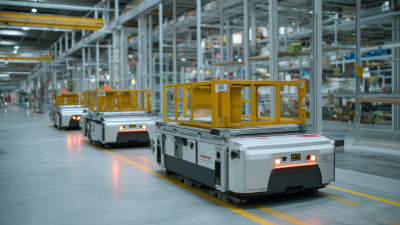
What is an AMR Robot and How Does it Revolutionize Automation
As industries continue to evolve in the digital age, automation has emerged as a key driver of efficiency and productivity. One of the most significant advancements in this field is the development of Automated Mobile Robots (AMR robots). According to a report by ResearchAndMarkets, the global AMR market is projected to grow from
$1.1 billion in 2021 to $5.3 billion by 2026, highlighting the increasing importance of these technologies in various sectors.

AMR robots are designed to navigate dynamically in environments without the need for extensive infrastructure, enabling them to enhance workflows in manufacturing, logistics, and warehousing. A study by the Robotics Industries Association reveals that companies integrating AMR solutions can experience up to a 20% increase in operational efficiency and a reduction in labor costs by as much as 30%. This revolutionary technology is not just reshaping traditional processes but also providing businesses with the flexibility to adapt to changing demands and challenges in real time.
In conclusion, AMR robots represent a significant leap towards a more automated future, facilitating enhanced productivity and enabling companies to stay competitive in an increasingly challenging economic landscape. The investment in AMR technology not only streamlines operations but also positions businesses to leverage the full potential of automation, paving the way for innovation and growth.
Understanding AMR Robots: Definition and Key Features
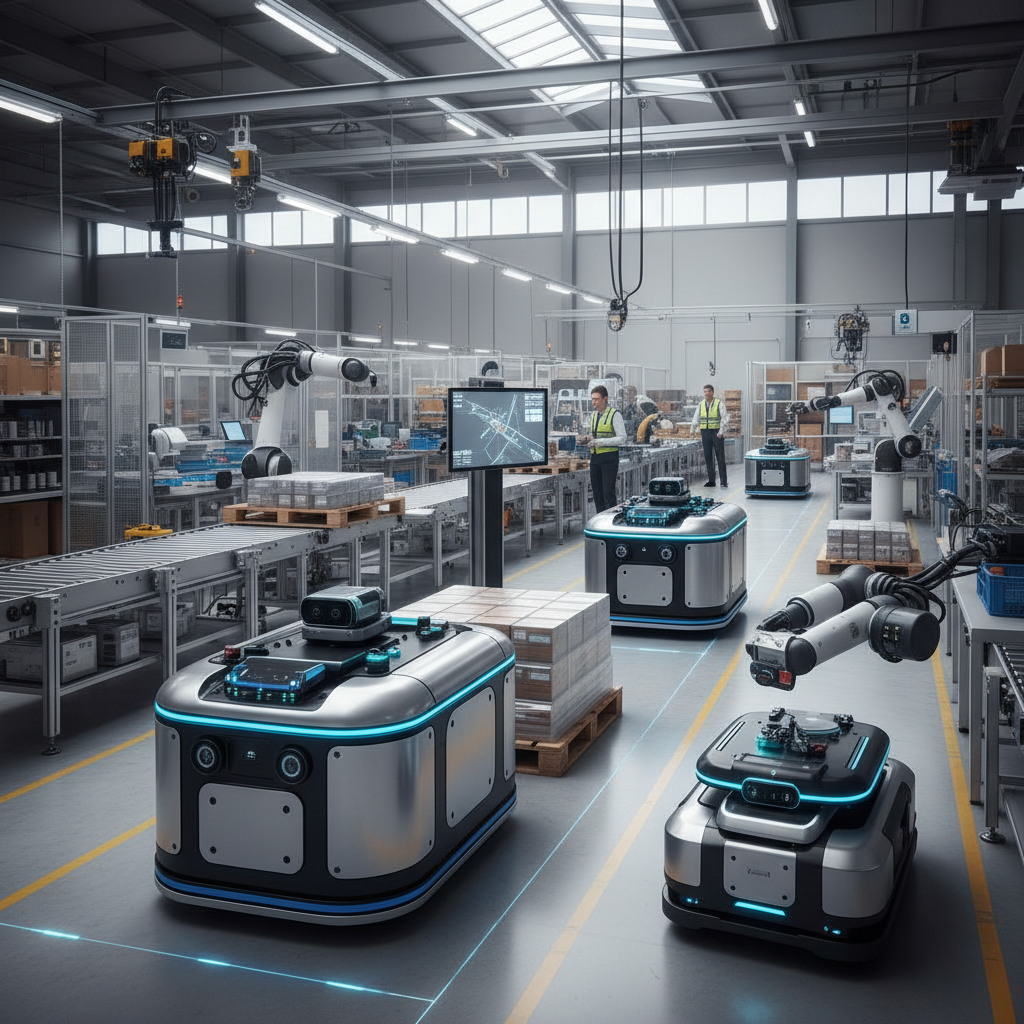
Autonomous Mobile Robots (AMRs) are a game-changer in the realm of automation, defined primarily by their ability to navigate and operate without human intervention. Unlike traditional robotic systems, AMRs are equipped with advanced sensors and artificial intelligence, which enable them to perceive their surroundings in real time. This capability allows them to make independent decisions, avoiding obstacles and dynamically adjusting their routes while interacting seamlessly with both the environment and the tasks at hand.
Key features of AMR robots include sophisticated navigation algorithms, real-time mapping, and machine learning capabilities. These robots utilize LIDAR, cameras, and various sensors to create intricate maps of their operational spaces, facilitating efficient and safe movement. Additionally, their adaptability means they can easily be integrated into various workflows across industries such as manufacturing, logistics, and hospitality. By continually learning from their surroundings and previous experiences, AMRs enhance productivity and efficiency, paving the way for smarter automation solutions.
The Evolution of Automation: The Role of AMR Robots in Industry
AMR robots, or Autonomous Mobile Robots, mark a significant advancement in the landscape of automation. Their development is rooted in the need for industries to enhance efficiency and reduce operational costs. These robots are designed to navigate independently and perform tasks such as material transport, inventory management, and even data collection. The evolution of automation has seen AMR robots integrate sophisticated technologies like artificial intelligence and machine learning, allowing them to adapt to dynamic environments and make real-time decisions.
In various sectors, from manufacturing to logistics, AMR robots have transformed traditional workflows. Their ability to work alongside human operators creates a collaborative environment that leverages the strengths of both parties. While humans can focus on complex tasks requiring critical thinking, AMR robots handle repetitive and menial tasks, thereby optimizing labor distribution. As industries evolve, the role of AMR robots continues to expand, proving essential for meeting the demands of a fast-paced market while promoting safety and efficiency in operations.
What is an AMR Robot and How Does it Revolutionize Automation
| Dimension | Description | Impact on Automation |
|---|---|---|
| Navigation | Utilizes sensor technology and algorithms to navigate dynamic environments. | Improves efficiency in material handling and delivery processes. |
| Flexibility | Easily reprogrammed for different tasks and routes. | Enhances adaptability within manufacturing and logistics operations. |
| Cost Efficiency | Reduces labor costs and operational expenses. | Contributes to overall savings and ROI in automation strategies. |
| Safety | Equipped with advanced safety features to avoid collisions and hazards. | Increases workplace safety and reduces accidents. |
| Integration | Seamlessly integrates with existing warehouse and automation systems. | Enhances workflow and boosts overall efficiency in operations. |
Benefits of AMR Robots: Cost Efficiency and Increased Productivity
Autonomous Mobile Robots (AMR) are transforming the landscape of automation in various industries, primarily through their cost efficiency and enhanced productivity. These robots utilize advanced sensors and artificial intelligence to navigate and perform tasks independently, which significantly reduces labor costs and minimizes human error. As businesses increasingly adopt AMR technology, they benefit from streamlined operations that lead to substantial savings and optimized workflows.
When implementing AMR robots, consider the following tips: first, assess your specific operational needs to ensure that the chosen AMR models align perfectly with your tasks. Additionally, training your staff on how to effectively work alongside these robots can enhance team efficiency and ensure a smoother integration process. Finally, regularly monitor and maintain the robots to maximize their lifespan and performance, ultimately contributing more to your bottom line.
The integration of AMR robots not only drives down operational costs but also empowers employees to focus on higher-value tasks. By automating repetitive processes, companies can enhance their output and innovation potential, leading to a significant competitive advantage in their respective markets. With ongoing advancements in AMR technology, the potential for increased productivity continues to grow, making these robots a crucial investment for future-oriented businesses.
Challenges in Integrating AMR Robots: Solutions for Seamless Implementation
Implementing Autonomous Mobile Robots (AMRs) in various industries presents unique challenges that companies must navigate to fully leverage their advantages. Common obstacles include the integration with existing workflows, employee resistance to technology changes, and ensuring safety in environments shared with human workers. Successful implementation requires thorough planning and communication among all stakeholders to align the AMR capabilities with operational needs.
Tips: Engage employees early in the process to gather feedback and address concerns regarding automation. Organize training sessions to familiarize staff with the technology, fostering a culture of collaboration between human workers and robots.
Moreover, addressing technical challenges, such as compatibility with legacy systems, is crucial. Companies should invest in reliable software and hardware that facilitate seamless communication between AMRs and the infrastructure they operate in. Regular maintenance and updates can also mitigate performance issues and maintain efficiency levels.
Tips: Conduct regular audits of your technology to ensure all systems are operating at peak performance. Establish a cross-functional team that includes IT, operations, and safety personnel to ensure all aspects of AMR integration are effectively managed.
Future Trends: The Next Generation of AMR Robots in Automation
The landscape of automation is rapidly evolving, particularly with the advent of Autonomous Mobile Robots (AMRs). According to a report by the International Federation of Robotics, the AMR market is projected to grow at a staggering compound annual growth rate (CAGR) of over 20% from 2020 to 2025. This growth is fueled by the increasing demand for efficient and flexible automation solutions in various sectors, including logistics, manufacturing, and healthcare. The integration of sophisticated technologies such as AI, machine learning, and advanced sensors has enabled AMRs to perform complex tasks with minimal human intervention.
Future trends indicate that the next generation of AMR robots will be even more advanced, with a strong emphasis on collaboration and adaptability. Research from McKinsey & Company highlights that by 2030, up to 45% of work activities could be automated, and AMRs will play a crucial role in this transformation. Upcoming innovations are expected to focus on enhancing the interoperability of AMRs with existing infrastructure, enabling seamless interaction with human workers and other automated systems. Additionally, advancements in battery technology and energy efficiency will ensure longer operational hours, further integrating AMRs into the daily workflow of businesses, thus revolutionizing not just automation, but the entire scope of industrial operations.
AMR Robot Adoption Trends in Various Industries
Related Posts
-
How to Maximize Efficiency with AMR Robots in Your Business Operations
-

Rethink Robot Revolutionizing the Future of Robotics and Artificial Intelligence
-
Maximizing Efficiency with Logistics Robotics A Comprehensive How to Guide
-
Ultimate Guide to Mastering Agile Robotics for Business Success
-
Unlocking Warehouse Efficiency: How Robot AMRs Are Transforming Supply Chains Today
-

Rethinking Robots: How Innovative Technology is Shaping Our Future Workspaces