What are Automatic Welding Solutions for EPC Projects?
Automatic welding solutions for EPC projects play a crucial role in modern construction and manufacturing. These technologies enhance efficiency and ensure high quality in welding processes. Automation reduces human errors and increases precision, which is vital in large-scale projects.
In EPC environments, where timelines and budgets are tight, automatic welding solutions streamline operations. They allow for consistent results, essential for long-term structural integrity. However, the adoption of these technologies can present challenges, including high initial costs and the need for skilled operators.
Despite these challenges, the benefits are compelling. Automatic welding solutions for EPC reduce labor costs and improve safety. They also create opportunities for innovative applications in various sectors. As industries evolve, the integration of automation is becoming not just advantageous but necessary for competitiveness. Exploring these solutions presents both opportunities and areas for improvement in the field.
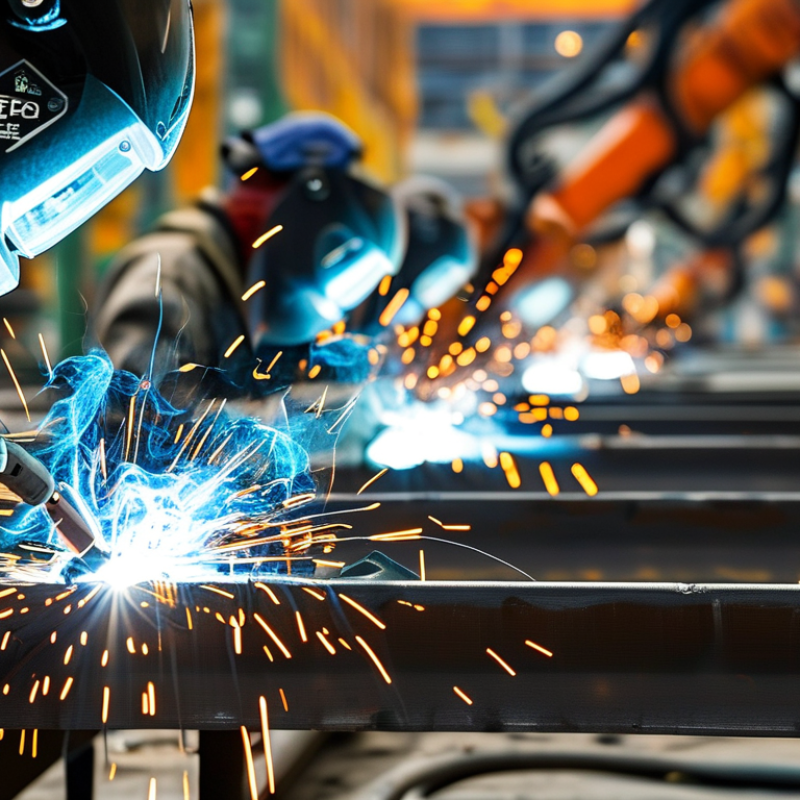
Overview of Automatic Welding Solutions in EPC Projects
Automatic welding solutions are increasingly adopted in EPC projects due to their efficiency and precision. These solutions leverage advanced technology to streamline various welding processes. According to a study from the International Institute of Welding, automated welding can increase productivity by up to 30%, while improving weld quality.
In the context of EPC projects, automatic welding covers a range of techniques, including robotic welding systems and automated arc welding. These solutions reduce human error and improve safety on-site. For instance, a report by the American Welding Society highlights that automated systems can reduce health risks associated with manual welding practices, thereby enhancing worker safety.
While automatic welding solutions offer significant advantages, there are challenges. Initial investment costs can be high, and there's a learning curve for staff. A survey by Engineering News-Record shows that 25% of firms face difficulties in integrating automation into their existing processes. It’s essential for companies to weigh both benefits and challenges to make informed decisions.
Key Technologies in Automatic Welding for Efficient Project Execution
Automatic welding solutions are transforming the landscape of Engineering, Procurement, and Construction (EPC) projects. These technologies streamline processes, significantly reducing labor costs and improving precision. According to a report by the American Welding Society, automated welding can enhance production rates by up to 50%.
Key technologies in automatic welding include laser welding and robotic systems. Laser welding provides high precision and reduced material distortion. It’s especially beneficial for thin materials. Robotic systems, on the other hand, improve consistency and can be programmed for various tasks. However, integrating these technologies requires skilled personnel to oversee automation and troubleshoot problems, as automation does not eliminate the need for expertise.
While automation brings many advantages, it also presents challenges. For instance, initial setup costs for automated systems can be considerable. There’s also the risk of dependence on technology, which may lead to issues if systems fail. Reports indicate that some projects experienced delays due to unforeseen technical challenges. Therefore, a balanced approach is critical in fully realizing the potential of automatic welding in EPC projects.
Benefits of Implementing Automatic Welding Solutions in EPC Projects
Automatic welding solutions are becoming integral in EPC (Engineering, Procurement, and Construction) projects. These systems offer improved precision and consistency, reducing human error. According to a report by the International Institute of Welding, automated welding can enhance productivity by up to 30%. This boost translates to higher output within tight deadlines. Ensuring quality is crucial for EPC projects, and automatic systems can maintain weld integrity across multiple repetitions.
Implementing these solutions provides significant cost savings. A study by the American Welding Society found that automated processes can lower overall project costs by 20-40%. This is achieved through reduced labor costs and minimized rework. Maintaining safety is another major advantage. Automation reduces worker exposure to hazardous environments, thereby decreasing accident rates. This benefit is vital in industries where safety regulations are stringent.
However, transitioning to automated welding requires careful planning. It’s essential to train the workforce on new technologies. Implementing these systems also involves an upfront investment, which may deter some companies. Addressing these challenges is essential for optimizing project outcomes. Overall, the advantages of enhanced quality, reduced costs, and improved safety make a compelling case for the adoption of automatic welding solutions in EPC projects.
Benefits of Implementing Automatic Welding Solutions in EPC Projects
Challenges and Considerations in Adopting Automatic Welding
The adoption of automatic welding in EPC projects presents numerous challenges. One significant concern is the initial investment costs. According to a report by the International Institute of Welding, 30% of companies cite cost as a primary barrier to implementation. Even with long-term savings, the entry price can deter firms.
Training personnel is another hurdle. Skilled operators are necessary for managing advanced machinery. A study from the Welding Research Institute indicates that companies often struggle with a talent gap. Around 40% of employers find it hard to recruit qualified professionals. Without proper training, the potential of automatic welding may remain untapped.
Integration into existing workflows poses additional challenges. Many EPC projects operate under tight schedules. Difficulties in syncing automatic systems with manual processes can lead to delays. In fact, project management surveys reveal that integration issues can increase timelines by 15%. Adapting to new technologies requires time and careful planning to address these inefficiencies.
Future Trends in Automatic Welding for EPC Industry Advancements
The advancement of automatic welding technology is critical in the EPC (Engineering, Procurement, and Construction) industry. This trend is shaping how projects are executed. As industries adopt automation, they see improved efficiency and reduced labor costs. Robots and automated systems can work continuously, ensuring high-quality welds.
However, challenges remain. Not all projects can easily integrate these technologies. Smaller companies might face high upfront costs, limiting their access to automation. Additionally, training the workforce to manage and maintain automated systems is necessary but often overlooked. Future trends indicate a push towards affordable solutions that democratize access to these innovations.
Incorporating data analytics will enhance the capabilities of automatic welding. Real-time monitoring can predict maintenance needs, reducing downtime. As the EPC sector evolves, a balance between technology and human expertise will be crucial. Embracing these changes requires careful consideration of both benefits and potential drawbacks. The journey toward a fully automated future is complex.
Automatic Welding Solutions for EPC Projects - Future Trends
| Technology | Benefits | Challenges | Future Trends |
| Robotic Welding | Increased precision and speed | High initial investment | Integration with AI |
| Automated TIG Welding | Excellent quality for thin materials | Requires skilled programming | Advancements in high-speed processes |
| Laser Welding | Minimal heat affected zone | Safety concerns with high-power lasers | Customization in complex geometries |
| Plasma Welding | High welding speed | Limited to certain materials | Hybrid systems combining methods |
| Friction Stir Welding | Strong joints with less distortion | Specialized equipment needed | Expansion into new materials |