10 Best Warehouse Robotics Solutions for Efficient Operations?
Warehouse robotics is transforming the logistics landscape. According to a report by McKinsey, automation in warehouses can improve efficiency by up to 30%. This shift is not just about replacing human labor but enhancing operations through precision and speed. Major players in the industry are investing heavily in these advanced technologies.
However, the integration of warehouse robotics comes with challenges. While robots can handle repetitive tasks, a reliance on them could lead to vulnerabilities. A report from Gartner highlights that 60% of logistics companies struggle with adopting new robotic systems. Training staff and adjusting workflows are crucial for success.
As businesses strive for greater efficiency, the right warehouse robotics solutions are vital. They can streamline processes and reduce costs. Despite the advantages, warehouse managers must be cautious. Balancing automation with human skills is essential for sustainable growth. Understanding the best solutions available can sharpen competitive edges in the market.
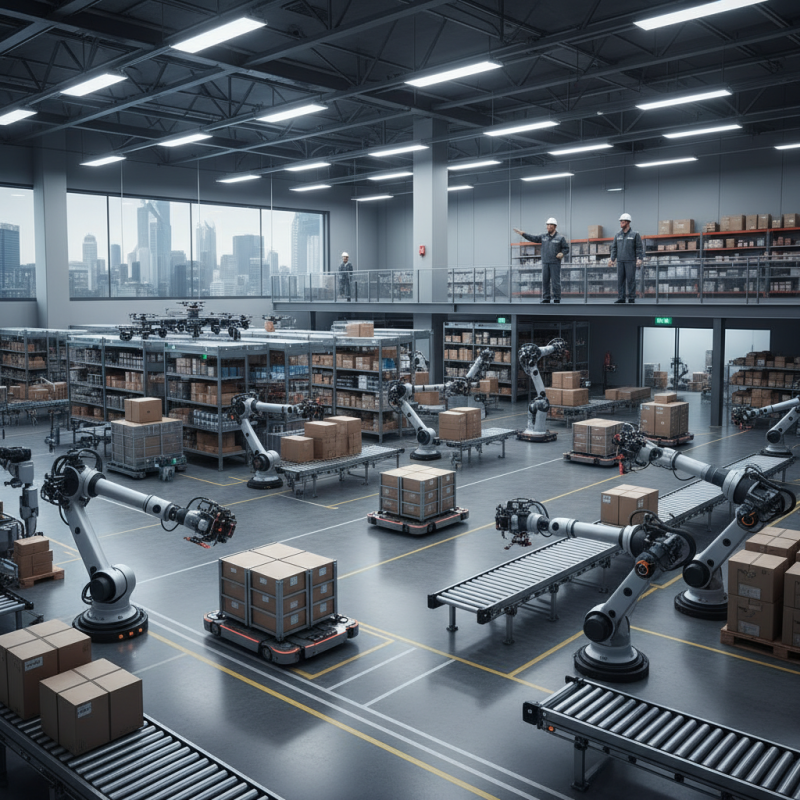
Overview of Warehouse Robotics Solutions
In recent years, warehouse robotics solutions have transformed logistics. According to a study by Research and Markets, the warehouse robotics market is expected to grow by over 20% annually, reaching a valuation of $37 billion by 2026. This growth highlights the pressing need for efficient operations in an industry facing rising labor costs and increasing consumer demand.
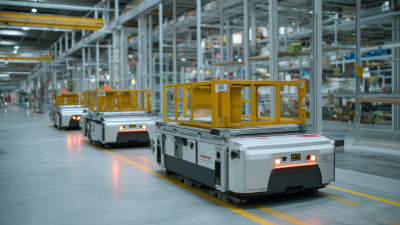
Automated Guided Vehicles (AGVs) and Autonomous Mobile Robots (AMRs) are leading the charge. AGVs can transport goods without human intervention. They reduce the time workers spend moving products. Meanwhile, AMRs can navigate dynamic environments, showcasing flexibility in real-time operations. However, challenges remain. Integrating these robots with existing systems can lead to inefficiencies. Moreover, not all tasks are suitable for robotics, leaving some manual labor indispensable.
Data from the Material Handling Industry shows that nearly 80% of warehouses are exploring or implementing robotics solutions. Yet, many operations still lack the workforce skills necessary to manage these systems. Training staff is essential for harnessing the full benefits. Investing in robotics is not just about technology; it requires a commitment to human resources and continuous improvement.
Key Features of Efficient Warehouse Robotics
Efficient warehouse robotics play a crucial role in enhancing operational workflows. Key features of these robotic systems revolve around
automation, adaptability, and safety.
Automation reduces manual labor and speeds up processes. This can lead to fewer mistakes and increased output.
Adaptability allows robots to tackle multiple tasks. They can navigate various environments and adjust to different layouts.
This flexibility is essential for dynamic warehouse operations. Safety features are equally important.
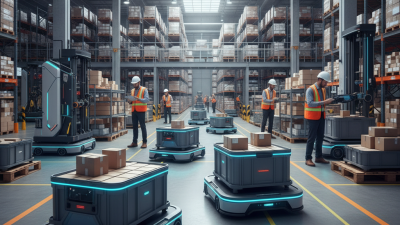
Sensors and advanced navigation technology help prevent accidents. These systems can work alongside human workers
without risk.
However, not all robotics solutions meet the efficiency mark. Some may struggle with integration into existing systems.
Technical issues can arise, leading to downtime. Assessing these solutions critically can help businesses identify what truly enhances their operations.
It’s vital to evaluate if the robotics will augment workflow or disrupt it. This reflection ensures the right balance between technology and human efforts in the warehouse.
Top 10 Warehouse Robotics Solutions Reviewed
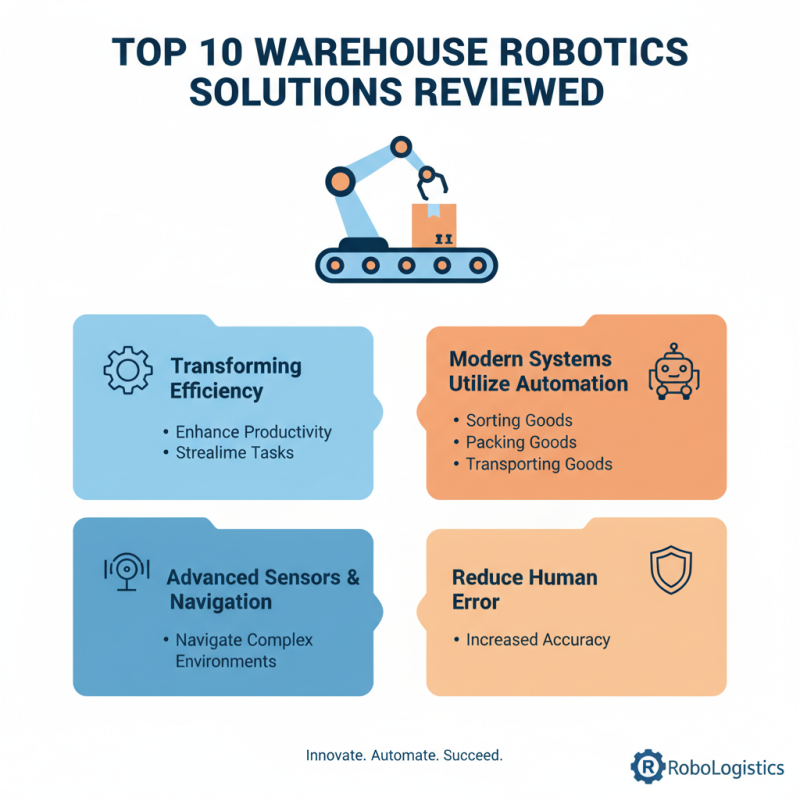
In the dynamic world of warehouse operations, robotics is transforming efficiency levels. The right robotic solutions can enhance productivity and streamline tasks. Modern systems utilize automation for tasks like sorting, packing, and transporting goods. Robots equipped with advanced sensors navigate complex environments, reducing the risk of human error.
However, not all robotic solutions are created equal. Some may struggle with specific tasks or environments. It's crucial to assess how well robots integrate into existing workflows. Compatibility can often be a sticking point, requiring additional investments in infrastructure or software. Choosing the right solution demands careful consideration and testing.
Robotic solutions in warehouses often come with inherent challenges. Maintenance can be time-consuming, and training staff is essential. Understanding the limitations of these robots helps in setting realistic expectations. As technology evolves, staying updated with industry trends is vital for making informed decisions. Embracing innovation is important, yet it should be balanced with practical operational needs.
Integration of Robotics in Warehouse Operations
The integration of robotics in warehouse operations is transforming logistics. Companies are increasingly adopting automation to enhance efficiency. According to a recent industry report, automated warehouses can improve order fulfillment speed by up to 30%. This is critical in today’s fast-paced market, where consumer expectations are high.
Robots can handle various tasks, from picking items to packaging orders. They reduce human error and increase accuracy. In fact, organizations that utilize robotic solutions reported a 20% decrease in operational costs. However, implementing such technologies poses challenges. Employee training and adaptation are essential in ensuring a smooth transition. Without proper training, the efficiency gains may not be fully realized.
**Tip:** Start with small automation projects. Evaluate their impact before scaling up. This method allows teams to learn and adapt gradually. Embrace the learning curves that inevitably accompany new technology.
Companies must remain aware of potential issues too. Integrating robotic systems may disrupt existing workflows. Thus, clear communication with staff is vital. Addressing concerns can foster a collaborative environment. Robots should enhance human roles, not replace them.
Warehouse Robotics Solutions Efficiency Comparison
Future Trends in Warehouse Robotics Technology
Warehouse robotics technology is rapidly evolving. The global market for warehouse automation is projected to reach $30 billion by 2026. This growth is driven by advancements in artificial intelligence, machine learning, and automation technologies. Industries are keen to adopt these solutions for improved efficiency and productivity.
One promising trend is the integration of autonomous mobile robots (AMRs) in warehouses. These robots navigate storage areas independently, optimizing inventory management. They can work alongside human workers, enhancing collaboration. A study showed that adopting AMRs can reduce labor costs by 20-30%. However, organizations must also consider the initial investment and ongoing maintenance costs.
Another critical development is the application of machine vision and AI in sorting and packing. This technology can identify products at high speeds, minimizing errors. Nevertheless, integrating these systems requires specialized knowledge and training. Companies might face a steep learning curve when implementing new technologies. The challenge lies in balancing innovation with practicality. Understanding these trends helps businesses prepare for future demands. Embracing warehouse robotics will define operational success in the coming years.
10 Best Warehouse Robotics Solutions for Efficient Operations
| Robot Type |
Primary Function |
Payload Capacity (kg) |
Operating Speed (m/s) |
Navigation Technology |
Integration Ability |
| Autonomous Mobile Robot |
Material Handling |
100 |
1.5 |
Lidar |
High |
| Automated Guided Vehicle |
Transporting Goods |
150 |
1.2 |
Magnetic Tape |
Moderate |
| Robotic Arm |
Picking & Packing |
50 |
0.8 |
Vision System |
High |
| Drones |
Inventory Management |
5 |
3.0 |
GPS |
Low |
| Collaborative Robot |
Assembly Tasks |
30 |
1.0 |
Force Sensing |
Very High |
| Sorting Robot |
Sorting Packages |
20 |
1.5 |
Camera Vision |
Moderate |
| Palletizing Robot |
Palletizing Goods |
100 |
0.7 |
Laser Guiding |
High |
| Delivery Robot |
Last-Mile Delivery |
75 |
2.0 |
GPS & Lidar |
High |
| High-Speed Sortation System |
Sortation |
Variable |
2.5 |
Vision & AI |
High |
| Warehouse Management System with Robotics |
Overall Management |
N/A |
N/A |
Software-Based |
Very High |