How to Choose the Best Vehicle Hail Damage Scanning System?
Choosing the right Vehicle Hail Damage Scanning System is crucial for anyone in the automotive repair industry. According to Dr. Emily Carter, a leading expert in vehicle technology, "The right scanning system can save time and enhance repair accuracy." This emphasizes the importance of making an informed choice.
When assessing different options, consider features like precision and user-friendliness. Some systems may excel in accuracy but lack intuitive interfaces. Striking a balance is essential for effective operation. Be aware of potential drawbacks, such as high costs or complex setups. This can lead to frustration, especially for smaller shops or independent mechanics.
Professional recommendations play a vital role. Speaking to those who have firsthand experience with various scanning systems can offer valuable insights. Industry reviews often highlight the strengths and weaknesses of different brands. Taking time to evaluate these factors can lead to a decision that supports long-term success in handling vehicle hail damage effectively.
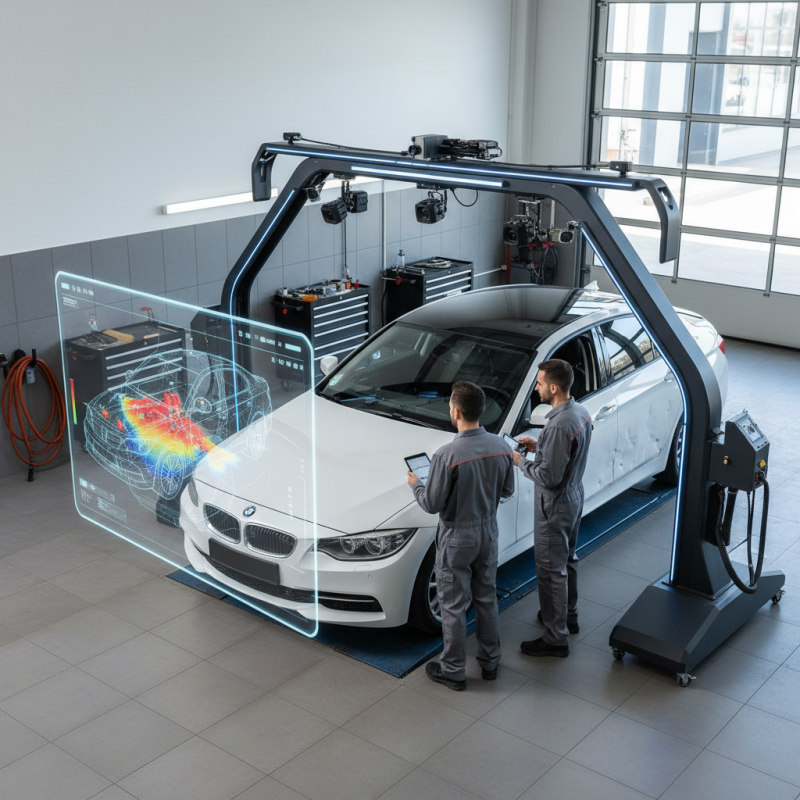
Understanding Vehicle Hail Damage and Its Impact on Insurance Claims
Hail damage can be costly. Understanding its effects on insurance claims is crucial for vehicle owners. Insurers may cover repairs, but only if the damage is adequately documented. Without proper assessments, you might lose out on necessary compensation.
It’s important to recognize that not all hail damage is visible. Sometimes, dents can hide structural issues. This can lead to disputes with insurance companies. A reliable scanning system can identify these hidden damages, improving the chances of a successful claim.
Tips: When choosing a scanning system, ensure it is user-friendly and provides detailed reports. Look for systems that can accurately assess the vehicle’s integrity from different angles. Also, consider the level of training required to operate the system effectively. Good training ensures precise evaluations, which are essential for successful claims.
Vehicle Hail Damage Impact on Insurance Claims
This bar chart illustrates the estimated insurance claim amounts based on the severity of vehicle hail damage. Understanding these amounts can assist vehicle owners in navigating insurance claims effectively.
Key Features to Look for in Hail Damage Scanning Systems
When selecting a vehicle hail damage scanning system, several key features come into play. Look for high-resolution imaging capabilities. This ensures that every scratch and dent is captured accurately. Reliable systems often have detailed reporting functions. These help in documentation and insurance claims. Check if the system can handle various vehicle types, as versatility adds value.
Tips: Prioritize systems with user-friendly interfaces. A straightforward design aids quick training for staff. Look into customer reviews for insights. They often reveal hidden strengths and weaknesses.
Consider speed and efficiency. Systems that scan quickly save time in busy environments. Balancing speed with accuracy is vital. Some systems may promise rapid results but may overlook minor details. Avoid haste. Taking time to review results can prevent costly errors in assessments.
How to Choose the Best Vehicle Hail Damage Scanning System? - Key Features to Look for in Hail Damage Scanning Systems
| Feature | Description | Importance |
| Scanning Accuracy | The system should provide precise measurements of hail damage severity. | High |
| User-Friendly Interface | Easy to navigate software for quick and efficient scans. | Medium |
| Portability | Lightweight and easy to transport for onsite inspections. | High |
| Data Storage | Ability to store and manage multiple scan reports. | Medium |
| Battery Life | Long battery life for extended usage without recharging. | High |
| Integration Capabilities | Compatibility with other repair management systems. | Medium |
Comparing Different Technologies for Vehicle Hail Damage Detection
When selecting a vehicle hail damage scanning system, understanding the various detection technologies is crucial. Traditional methods like visual inspections often miss subtle dents caused by hail. According to the Automotive Management Institute, over 30% of hail damage assessments can be inaccurate due to human error. Hence, relying solely on the human eye for inspection can be misleading.
Advanced technologies, such as 3D laser scanning and infrared imaging, provide more reliable results. These systems can detect imperfections and damages that the naked eye cannot. A study from the National Institute of Standards and Technology indicated that laser scanning systems have a 95% accuracy rate in identifying such damages. Infrared technology, while practical, might not be as comprehensive, often requiring calibration adjustments based on temperature conditions.
Understanding the pros and cons of each technology is essential. Some systems can be costly and require advanced training to operate effectively. Yet, investing in the right technology can yield significant returns in accuracy and customer satisfaction. Balancing efficiency and cost is a challenge that many in the industry face. Making the right choice means reflecting on both short-term needs and long-term benefits.
Evaluating the Cost-Effectiveness of Hail Damage Scanning Solutions
Evaluating the cost-effectiveness of hail damage scanning solutions is crucial for vehicle repair businesses. The initial investment in a scanning system can be significant but must be weighed against potential savings. A reliable system reduces labor hours and streamlines the repair process. It allows businesses to assess damage quickly and accurately. This efficiency can lead to increased customer satisfaction and repeat business.
When choosing a scanning system, consider its accuracy and ease of use. Some systems may promise high accuracy but can fall short in real-world applications. Training employees on complex systems may also incur additional costs. On the other hand, a simpler solution may not capture all damage, leading to unresolved issues. Evaluating return on investment involves looking beyond the purchase price. Analyze operational costs and potential for increased revenue.
Finding the right balance between features and cost is not always straightforward. Some users report dissatisfaction with low-quality scans and unexpected repair challenges. Look for systems with positive user reviews and testimonials. Real-world experiences from other businesses can provide valuable insights. Investing time in research and careful evaluation can lead to a more informed decision.
User Reviews and Industry Recommendations for Best Scanning Systems
When considering the best vehicle hail damage scanning systems, user reviews play a crucial role. Many professionals emphasize the importance of scanning technology in accurately assessing damage levels. According to a 2022 industry report, nearly 75% of vehicle owners prefer systems that provide clear visuals. Users appreciate systems that not only detect dents but also analyze their severity.
Tips: Look for systems with user-friendly interfaces. A complicated setup can lead to errors and misinterpretations. Reviewers frequently mention the benefits of systems with cloud storage capabilities. These allow for easy data retrieval and sharing.
Industry recommendations often highlight systems that offer detailed feedback on scan results. Many professionals prefer solutions that integrate with existing repair management software. That cohesion simplifies the repair process. However, some suggest that frequent software updates can disrupt workflows. Balancing innovation with stability is a common concern.
It's important to consider how scanning systems evolve. Some models may lag behind in updating their algorithms, making them less effective over time. Regular user feedback is vital for improvements. Read multiple sources before making a decision. Continuous learning keeps you ahead in selecting the right system for your needs.