How to Choose the Best Warehouse Robotics for Your Needs?
Choosing the right warehouse robotics is crucial for modern supply chains. With advancements in technology, various types of robots offer unique benefits. Understanding these options requires careful consideration of your specific needs.
Warehouse robotics can greatly enhance efficiency and accuracy. They automate tasks like picking, packing, and sorting. This improved productivity leads to reduced labor costs and faster order fulfillment. However, selecting the best solution can be challenging. It's essential to evaluate factors such as your warehouse layout and inventory type.
Engaging with industry experts can provide invaluable insights. Their experience can help identify suitable robotics that align with operational goals. Balancing cost and functionality is key. While some systems may promise high efficiency, they might not suit every warehouse setup. Reflecting on your specific requirements will lead to the most effective choice.
Understanding Your Warehouse Operations and Requirements
Understanding your warehouse operations is crucial when choosing robotics solutions. Before selecting any robotics, analyze your workflow and identify areas for improvement. Consider factors like product types, volume, and the layout of your warehouse. Mapping your operations helps clarify specific needs.
Tips: Assess your current bottlenecks. Are there tasks that slow down operations? Identify these pain points. This information will guide your choices. Also, think about integration. How will new robots fit with existing systems? Compatibility is key for smooth operations.
Pay attention to the level of automation you require. Not all warehouses need fully autonomous systems. Sometimes, semi-automated options work better. Reflect on your team’s capabilities as well. Will your staff adapt easily to this technology? Understanding these aspects will lead you to more appropriate solutions.
Assessing Different Types of Warehouse Robotics Technologies
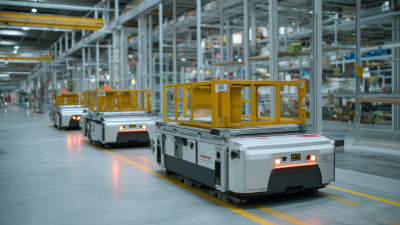
When assessing different types of warehouse robotics technologies, it's crucial to align the solutions with specific operational needs. Automated Guided Vehicles (AGVs) present robust options for material transport. According to recent studies, AGVs can boost warehouse efficiency by up to 25%. They are ideal for handling repetitive tasks across large spaces, minimizing human intervention and errors.
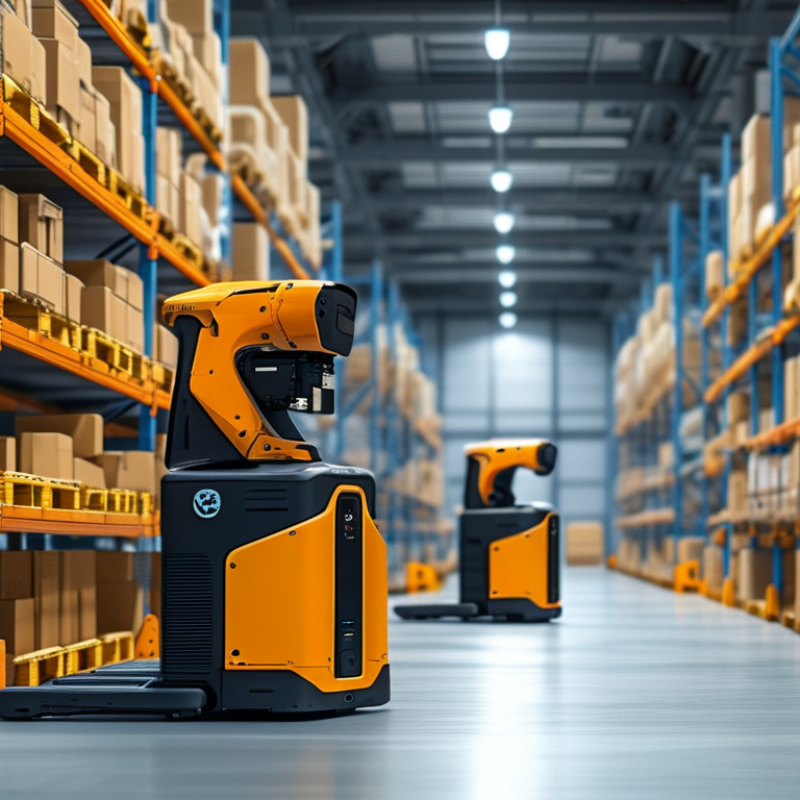
Autonomous Mobile Robots (AMRs) offer enhanced flexibility. They navigate through dynamic environments, adapting to changing layouts. These robots can improve order fulfillment speed significantly. A report by the Robotics Industry Association found that AMRs can increase picking accuracy by 35%. However, their initial setup and integration can be challenging, requiring regular monitoring and optimization.
Automated Storage and Retrieval Systems (AS/RS) cater to high-density storage needs. These systems maximize space and streamline inventory management. Data indicates that implementing AS/RS can reduce storage costs by nearly 30%. Yet, companies must consider maintenance and potential downtimes. Evaluating the total cost of ownership for each technology is essential for informed decisions.
Evaluating Cost-Effectiveness and ROI of Robotic Solutions
When evaluating the cost-effectiveness and ROI of warehouse robotics, several factors come into play. Data from several industry reports indicate that automation can increase productivity by up to 30%. However, this often comes with initial investment costs ranging from $75,000 to over $500,000 per robot, depending on the technology and complexity involved.
It's essential to consider maintenance and operational costs as well. Many businesses overlook these factors. Regular maintenance can account for up to 5-10% of the investment costs annually. Thus, while robots can boost efficiency, potential downtime should be factored into the overall ROI calculation. According to a study by the MHI, warehouses employing robotics saw a 20% reduction in labor costs, but also an increase in training and integration costs, which can sometimes negate savings.
Additionally, the flexibility of robotic systems must be assessed. Some systems may require extensive reprogramming when processes change. This can lead to unexpected expenses in the long run. A thoughtful approach to evaluating both the immediate and ongoing costs can reveal the true ROI of warehouse robotics. Thus, precise calculations and clear projections are essential for making informed decisions.
Analyzing Integration with Existing Warehouse Management Systems
Integrating warehouse robotics with existing Warehouse Management Systems (WMS) is critical for maximizing operational efficiency. A report by the International Data Corporation (IDC) highlights that nearly 70% of companies experienced improved accuracy and reduced costs after integrating automation. However, seamless integration is often challenging. Many companies face compatibility issues with their current WMS, resulting in delays and disruptions.
Choosing the right robotic solution requires careful consideration of your WMS's architecture. According to a Logistics Management survey, 54% of respondents reported that integration complexities led to project overruns. It’s essential to evaluate if your WMS is flexible enough to communicate with new robotic technologies. Assessing data flow and real-time inventory syncing options should be a priority.
Moreover, one must be aware that not all robotic solutions will mesh well with existing systems. Some businesses underestimated the need for training and support during the transition phase. The shift to automation can backfire if staff are not adequately prepared. Addressing these integration challenges early can ensure a smoother path towards enhanced efficiency and productivity in warehouse operations.
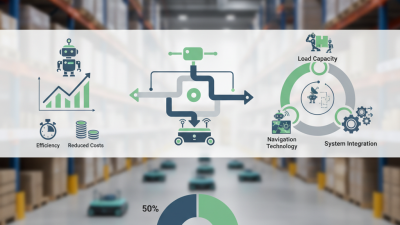
Warehouse Robotics Integration Analysis
Considering Vendor Support and Future Scalability Options
Selecting the right warehouse robotics involves careful consideration of vendor support and future scalability. Many businesses underestimate the importance of having a responsive vendor. A report by Logistics Management found that 82% of companies prioritize vendor support during their selection process. This is crucial, as effective support can reduce downtime and enhance operational efficiency.
Future scalability options are equally significant. Warehouse automation technology evolves rapidly. A study by Allied Market Research states that the global warehouse robotics market is expected to reach $27 billion by 2026. Opting for robotics that allow easy upgrades or integration with new technologies can save costs in the long run. However, not all robotics solutions provide this flexibility. If scalability isn't planned for, companies may face substantial challenges as they grow.
Investing in the right vendor and ensuring scalability can seem daunting. Some vendors may promise easy integration but fail to deliver. Keeping an open line of communication with support teams can reveal underlying gaps. Future needs can change swiftly; hence, constant reflection on chosen solutions is essential. Identifying the right paths in robotics requires vigilance and adaptability.