How to Choose the Right AMR Robot for Your Business Needs?
Choosing the right AMR robot for your business needs is a critical decision. These robots can significantly enhance operational efficiency. However, with many options available, making the right choice is challenging.
Understanding the specific requirements of your operations is crucial. Consider factors like your facility layout, inventory types, and the intended tasks for the AMR robot. It’s not just about price; durability and support matter too. An AMR robot must integrate seamlessly into your existing systems. A robot that works well in one environment may fail miserably in another.
Experience plays a vital role in selecting the right AMR robot. Businesses should evaluate their past encounters with technology and automation. A systematic approach, perhaps through demos and trials, can yield valuable insights. Remember, the perfect AMR robot may not exist for everyone. Each robot has pros and cons. Reflect on these aspects and make informed choices.
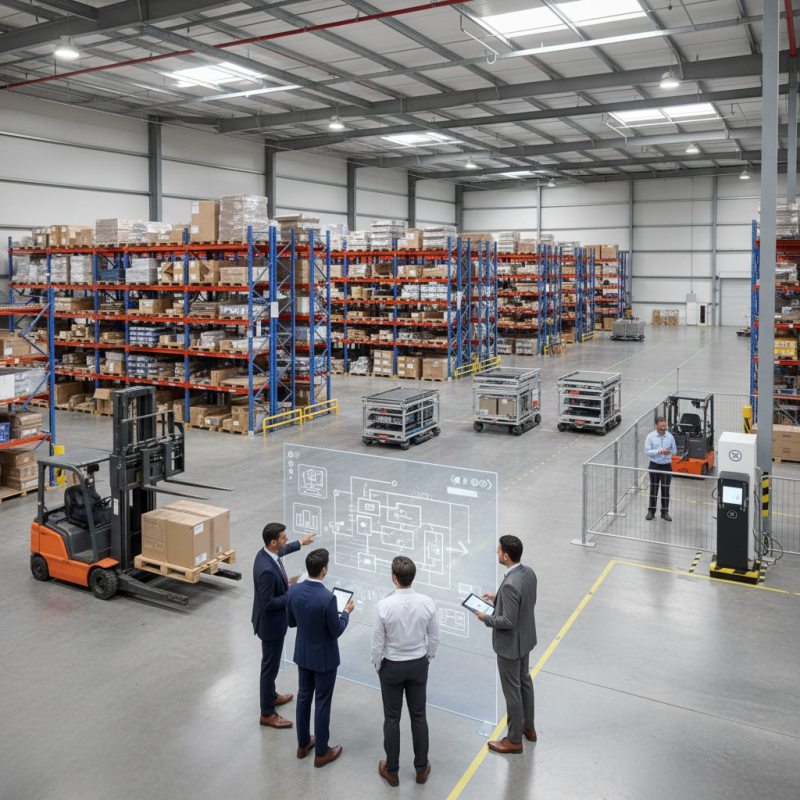
Understanding the Basics of Autonomous Mobile Robots (AMRs)
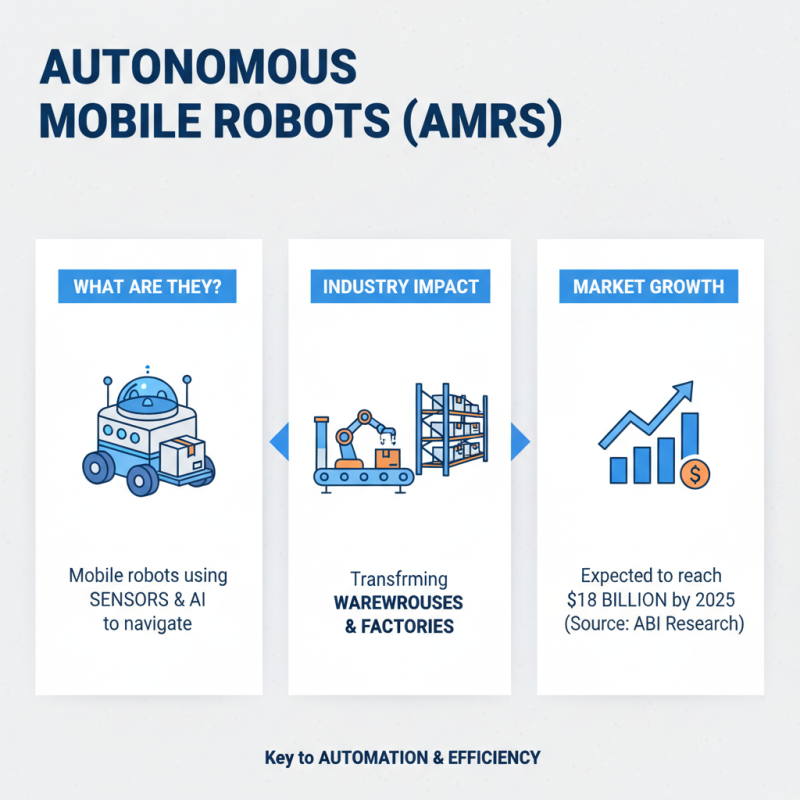
Autonomous Mobile Robots (AMRs) are transforming industries by automating tasks. They navigate spaces using sensors and AI, making them versatile tools in warehouses and factories. According to a study by ABI Research, the market for AMRs is expected to reach $18 billion by 2025. This growth indicates an increasing reliance on automation.
Understanding AMRs starts with their capabilities. They can transport materials, perform inventory checks, and assist in delivery. These robots enhance efficiency by reducing manual labor and minimizing errors. However, it's also essential to recognize their limitations. They may struggle in crowded or complex environments. Research from Gartner highlights that 30% of organizations report operational challenges related to AMR integration.
Choosing the right AMR involves assessing specific business needs. Factors include workspace layout, load requirements, and operational workflows. A well-designed AMR can lead to significant productivity gains, but wrong selection may result in underperformance. According to a report by Mordor Intelligence, 39% of AMR projects fail due to inadequate planning and analysis. Understanding these elements is crucial for effective deployment.
Identifying Your Business Needs and Objectives for AMR Implementation
Identifying your business needs is crucial when considering AMR (Autonomous Mobile Robot) implementation. Start by assessing your operational challenges. Are you experiencing delays in material handling? Do you struggle with labor shortages? These questions can guide your choice of AMR type and function.
Next, consider your objectives. Are you aiming to enhance productivity or improve safety? Your goals will significantly influence the features you need. For instance, if efficiency is your focus, look for AMRs with advanced navigation systems. If safety is a priority, choose robots with enhanced sensor technology to prevent collisions.
Remember that not all AMRs are created equal. Their design can vary according to specific tasks like towing, transporting, or picking. Take the time to define your unique requirements. Engage your team in discussions to ensure you cover all bases. Address potential challenges that might arise during implementation. It's key to remain flexible in your approach. Adjusting your expectations may lead to better alignment with what AMRs can truly offer.
Evaluating Different Types of AMR Technologies Available in the Market
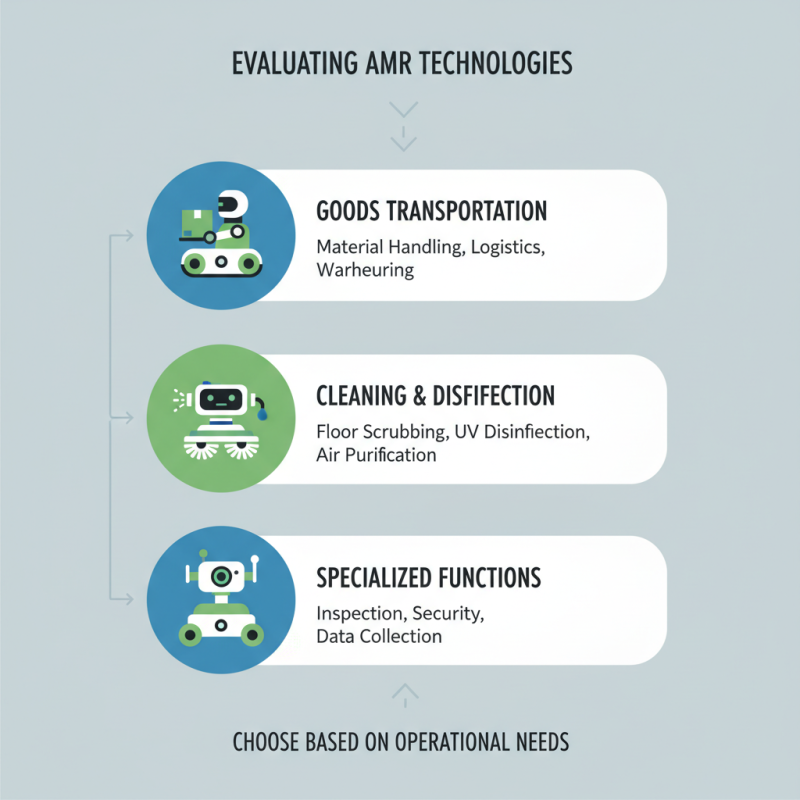
When evaluating AMR technologies, consider the specific needs of your operations. Different types of AMRs serve various functions. Some focus on goods transportation, while others specialize in cleaning or disinfection. Understanding these capabilities is crucial for selecting the right robot.
Reflect on your facility's layout and workflow. For narrow aisles, a compact robot may be necessary. High-capacity environments might need larger, more robust models. Assessing your workflow can uncover gaps in efficiency. You might find an AMR technology does not seamlessly integrate into your existing processes.
Additionally, pay attention to the software that powers these robots. Some AMRs offer advanced navigation systems, while others depend on simpler methods. Robust software can lead to better data analytics and improved operational efficiency. This complexity may suggest a steeper learning curve for your team, indicating a need for training.
Key Features and Specifications to Consider When Choosing an AMR
When selecting the right Autonomous Mobile Robot (AMR) for your business, it's essential to understand the key features and specifications. One major consideration is payload capacity. AMRs typically handle between 100 to 2,000 pounds, depending on their design. Ensure the robot you choose can manage your heaviest loads efficiently.
Another critical factor is navigation technology. AMRs use a mix of laser guidance, cameras, and sensors for safe movement. Companies like logistics centers often opt for robots equipped with advanced navigation to avoid obstacles effectively. According to a recent industry report, vehicles using advanced navigation reduce operational downtime by up to 30%.
Tips: Focus on battery life. Many AMRs offer 8 to 12 hours of operation on a single charge. Knowing your operational needs will influence your choice. Additionally, consider ease of integration with existing systems. Some AMRs are designed for swift deployment without extensive modifications. But remember, not all robots fit all environments; test different types to find the right fit for your specific needs.
How to Choose the Right AMR Robot for Your Business Needs? - Key Features and Specifications to Consider When Choosing an AMR
| Feature |
Description |
Importance Level |
Considerations |
| Payload Capacity |
The maximum weight the robot can carry. |
High |
Choose based on the heaviest item to be transported. |
| Navigation Type |
Type of navigation system (e.g., LiDAR, vision-based). |
Medium |
Consider environment complexity. |
| Battery Life |
Duration the robot can operate on a full charge. |
High |
Evaluate operational hours needed without downtime. |
| Speed |
Maximum speed of the robot. |
Medium |
Consider distance and time efficiency. |
| Integration Capabilities |
How well the robot integrates with existing systems. |
High |
Check compatibility with your current warehouse management systems. |
| Safety Features |
Features ensuring safe operation around humans and obstacles. |
High |
Look for features like emergency stop, sensors, etc. |
Factors Influencing the Cost and ROI of AMR Adoption in Business
Adopting Autonomous Mobile Robots (AMRs) can transform a business's operational efficiency, but costs are a crucial concern. Several factors influence the total cost of AMR deployment. These include initial investment, maintenance fees, and operational training. A comprehensive analysis of existing workflows and potential impact on productivity can help quantify these costs.
The return on investment (ROI) from AMRs is another vital consideration. Businesses often overlook the long-term savings associated with automation. Enhanced accuracy and reduced labor costs can lead to significant savings over time. However, the ROI can also be influenced by implementation challenges. Some organizations may face integration issues or resistance from employees. These factors must be accounted for during the assessment phase.
Evaluating the right AMR involves more than just numbers. Understanding the specific needs of your business is essential. Different industries may require robots that handle varying payloads and navigate distinct environments. Engaging with experts who specialize in robotics can provide valuable insights. This expertise can prevent costly errors and guide thoughtful investments in technology that truly aligns with business goals.
Cost Factors and ROI of AMR Adoption