How to Choose the Right Engine Cylinder Block?

Choosing the right Engine Cylinder Block begins with the engine’s real job, not a catalog label. A daily driver, a tow vehicle, and a track build place different demands on the same casting. Bore size, deck height, coolant passages, and main-bearing support all matter. So does the block’s condition. A clean-looking surface can hide corrosion around a water jacket or wear in a cylinder bore. Small details count.

Combustion-engine researcher John B. Heywood, author of Internal Combustion Engine Fundamentals, offers a useful systems-level perspective. A practical summary of that perspective is: “Choose the block as part of the whole engine, not on its own.” This is a paraphrase, not a direct quotation. The point is important: a block must suit the crankshaft, cylinder heads, intended operating range, and available cooling. Cast iron may offer durability and repair options; aluminum can reduce weight but may require careful attention to liners and temperature control. Neither material is automatically right.

Look beyond advertised displacement. Check the manufacturer’s specifications, casting identification, bore limits, deck condition, and compatibility with your components. Ask how the block was measured, and request inspection details when buying a used unit. A spec sheet is useful, but not enough. Sometimes the best choice is less glamorous: a sound, well-matched block instead of a larger one with uncertain history. Even careful selection has trade-offs, and overlooking one measurement can turn a promising build into an expensive rethink.
How to Choose the Right Engine Cylinder Block?

Understanding the Engine Cylinder Block and Its Role

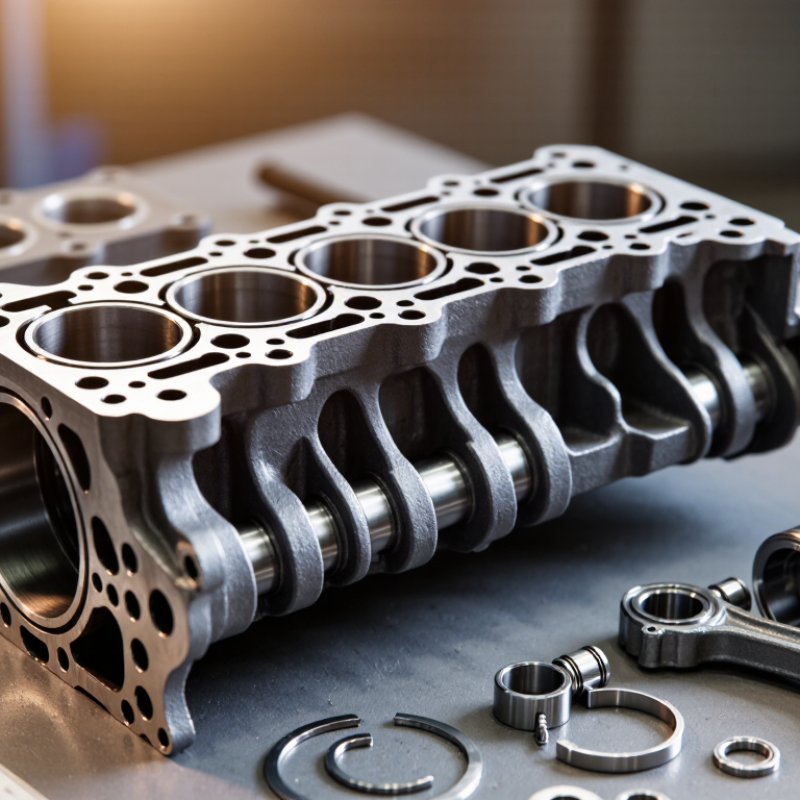
The engine cylinder block is the structure that houses the cylinders and supports key moving parts. It also contains passages for oil and coolant, helping manage friction and heat. The crankshaft sits in the lower section, while the cylinder head attaches at the top. It carries loads. Its condition affects compression, lubrication, and overall engine stability.

When choosing a block, match its bore size, deck height, mounting points, and passage layout to the intended engine. Material matters, too: cast iron is generally durable and rigid, while aluminum is lighter and often relies on liners or coatings at the cylinder bores. Check the manufacturer’s specifications and inspect critical surfaces for cracks, corrosion, and uneven wear. A clean appearance alone proves little.

It is easy to focus on displacement and overlook how the block fits the rest of the engine. That shortcut can mislead. Confirm compatibility with the crankshaft, pistons, cylinder head, and cooling system before buying. If the block has been machined, ask for measurements and records; even small changes to bore or deck dimensions may affect assembly. Some details are easy to miss. A qualified engine machinist can verify measurements when the history or condition is uncertain.

Identifying Engine Specifications and Fitment Requirements

Begin with the vehicle identification number, engine code, model year, and original displacement. Confirm bore, stroke, deck height, main-bearing journal size, and cylinder-head bolt pattern against service records. Engine codes matter. Two blocks can share a displacement yet differ in oil galleries, coolant passages, or sensor locations.

S&P Global Mobility’s 2024 analysis put the average age of U.S. light vehicles at 12.6 years. That long service life makes year-specific changes worth checking, even within one engine family. Do not rely on appearance alone. Compare casting numbers and measured dimensions with the parts catalog, then verify crankshaft and cylinder-head compatibility. A machine shop can check bore wear and deck flatness before installation.

Small differences matter. I would also confirm whether the replacement block is bare or assembled; listings are not always clear. If measurements disagree with the catalog, pause and investigate rather than forcing a fit. One overlooked passage can mean a costly teardown.

Comparing Cylinder Block Materials and Designs

Cylinder block material shapes weight, heat control, and repair options. Cast iron is stiff and wear-resistant, so it can suit engines facing sustained loads. Its added mass can be a drawback in vehicles where every kilogram matters. Aluminum blocks are lighter and shed heat quickly, but their greater thermal expansion requires careful design and clearance control. They may also need reinforced cylinder surfaces or liners, depending on the engine.

Design matters just as much. An open-deck block leaves more space around the cylinders for coolant flow, while a closed-deck layout supports the cylinder tops more firmly. That support can help manage pressure, though coolant passages and manufacturing become more demanding.

Look closely at liner construction, too. Wet liners contact coolant directly and can simplify replacement, but their seals need proper inspection. Dry liners sit within the block and depend on a close fit for heat transfer.

Small details count. Check the intended load, cooling system, service access, and available machining skills before choosing. A lighter block is not automatically better, and a stronger one may add cost or weight. I would also question catalogue claims that ignore the complete engine assembly. The best comparison is specific to the application, not just the material name.

Assessing Block Condition, Quality, and Compatibility

A cylinder block can look sound from above and still hide costly damage. Check the deck for cracks, corrosion, and deep scoring around the cylinders. A straightedge and feeler gauge can reveal warping, but measurements should follow the engine’s service specifications. Inspect the cylinder walls for ridges, uneven wear, or scratches you can catch with a fingernail. Clean surfaces help, yet cleaning cannot repair damage.

Quality depends on more than appearance. Ask for inspection records, machining measurements, and details of any previous repairs. Check main-bearing saddles, threaded holes, and coolant passages for wear or corrosion. A pressure test can help identify leaks, though it does not replace a careful visual inspection. Used blocks can be uncertain; I would not treat a fresh coat of paint as proof of condition.

Compatibility requires exact details. Match the engine code, displacement, cylinder-bore size, crankshaft layout, and mounting points. Compare oil and coolant passages, sensor locations, and deck height with your original block. Small differences can affect fit or require additional machining. Verify specifications before purchase.

Tips: Photograph the block’s markings, measure critical areas, and have a qualified machine shop inspect it when possible. Keep the measurements. A second opinion may be worthwhile.

Balancing Performance Goals, Cost, and Durability

Choosing an engine cylinder block starts with the vehicle’s real workload, not the highest advertised power figure. A daily driver facing traffic and long commutes needs different priorities from a competition engine. Consider expected cylinder pressure, operating temperature, service life, and cooling capacity. Small details matter.

Cast iron is heavier, but it can offer good stiffness and wear resistance. Aluminum reduces weight and transfers heat efficiently, though some designs need cylinder liners or specialized machining. Neither material is automatically better. Match the block’s design to the intended power level, fuel, and maintenance schedule. A mismatch can become expensive.

Look beyond the purchase price. Include machining, compatible pistons and bearings, and any changes to cooling or oil passages. Ask a qualified machine shop to inspect for cracks, corrosion, and bore wear using suitable testing methods. Confirm deck height and main-bearing dimensions before ordering parts. These checks take time. I would not skip them, even when a used block looks clean. A lower-cost option may need more preparation than expected, and that is easy to overlook.

Scroll to Top