How to Use AMR Robots for Your Business Operations Effectively?
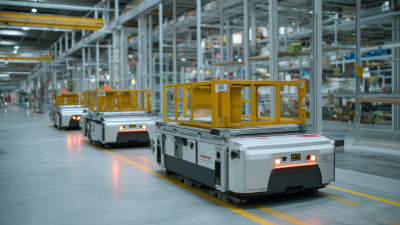
In today's fast-paced business environment, leveraging technology is crucial. The use of AMR robots is becoming increasingly popular for operations. According to Dr. Jane Harrison, an industry expert in automation, "AMR robots can transform efficiency, but their integration requires careful planning." This statement emphasizes the need for a strategic approach.
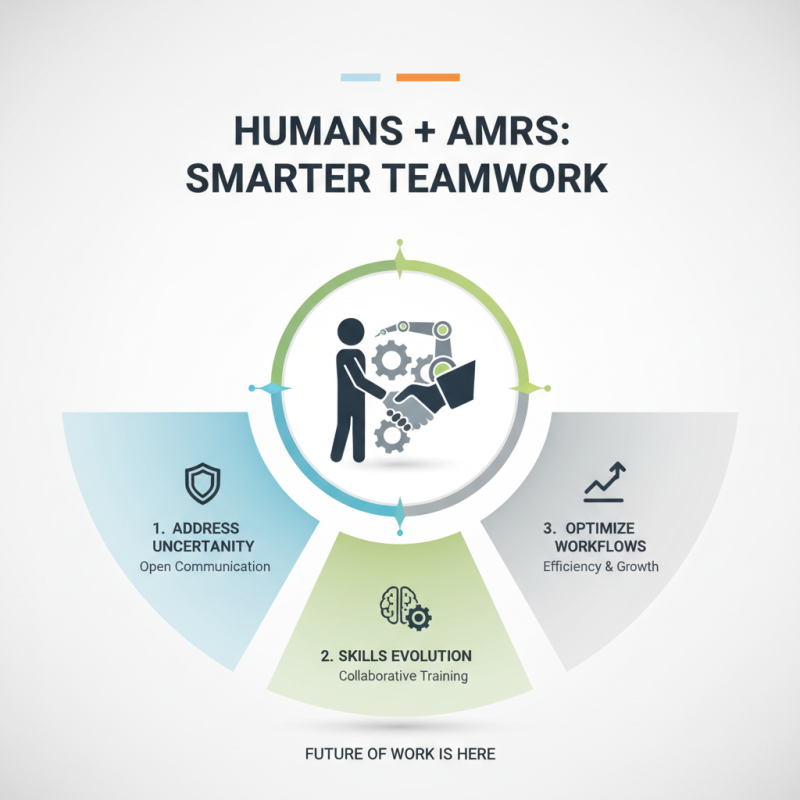
Integrating AMR robots isn't always seamless. Businesses often face challenges in adapting their workflows. For instance, varied warehouse layouts can complicate robot navigation. Companies must understand that these robots are tools meant to enhance human efforts, not replace them. A workforce trained to collaborate with AMR robots can yield better results.
As organizations consider implementing AMR robots, they must reflect on their specific needs and limitations. An effective deployment should address the unique demands of each operation. The journey toward automation is not without its hurdles, but with the right mindset, the potential rewards are significant. Embracing these machines can reshape the future of business.
Understanding AMR Robots and Their Benefits for Business Operations
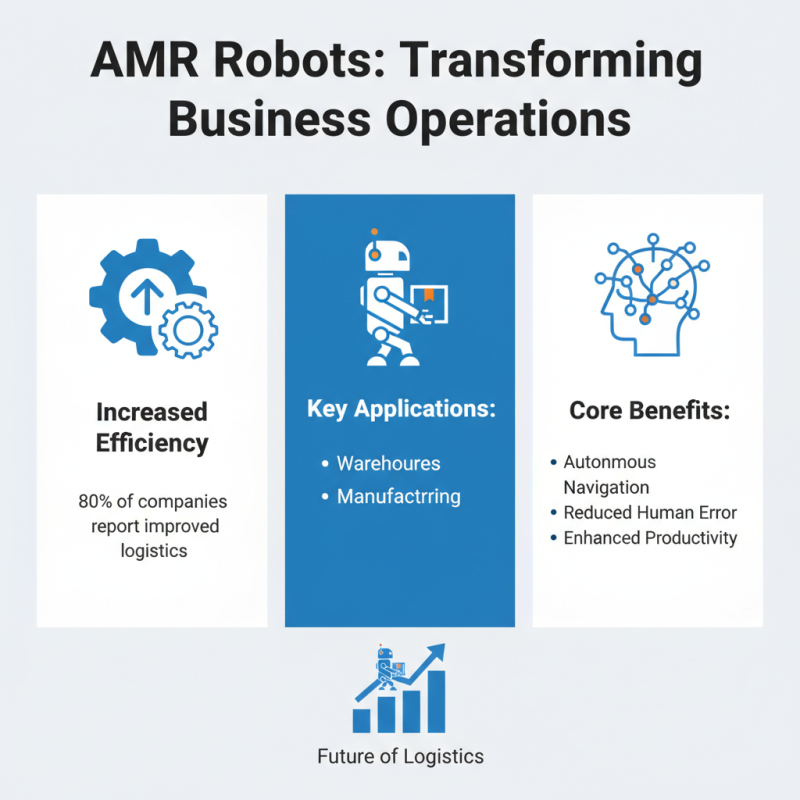
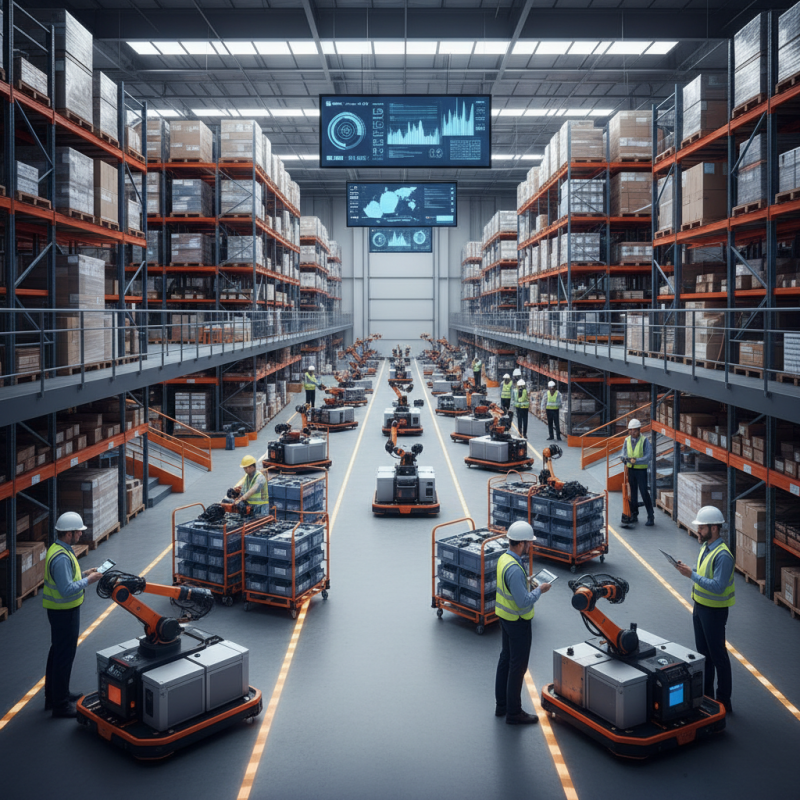
AMR robots, or Autonomous Mobile Robots, are transforming business operations. They excel in warehouses and manufacturing sectors. According to a recent industry report, nearly 80% of companies that employ AMR technology see increased efficiency in their logistics. These robots can navigate complex environments and transport materials with ease. They reduce human error and enhance productivity significantly.
In particular, businesses experience a notable decline in operational costs. One study found that AMR deployment can reduce labor costs by up to 30%. However, some businesses face challenges integrating these robots into existing workflows. Employee resistance and a lack of technical understanding can hinder effectiveness. Continuous training is essential to ensure your team adapts well.
The flexibility of AMR robots is one of their key benefits. They can operate around the clock without fatigue. However, there are limitations. For instance, they may struggle in chaotic environments. Managing their routes effectively is crucial for optimal performance. Regular assessments of their impact are necessary. This way, businesses can address potential issues and refine usage strategies over time.
Identifying Suitable Business Processes for AMR Integration
Identifying suitable business processes for Autonomous Mobile Robots (AMRs) is crucial for maximizing their impact. Logistics, warehousing, and repetitive tasks stand out as strong candidates for integration. According to a recent industry report, businesses employing AMRs in logistics saw a 30% increase in efficiency. However, not every process is a fit. Processes requiring complex decision-making or high levels of human interaction may not benefit as much.
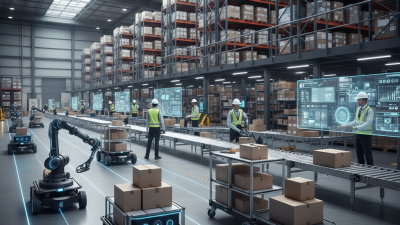
Consider the picking and packing operations in a warehouse. AMRs can navigate to shelves, retrieve items, and deliver them to packing stations. This automation reduces labor costs and minimizes human error. A study revealed that companies automating these tasks reduced order fulfillment times by up to 50%. Yet, organizations must reflect on their current infrastructure. Outdated systems may hinder effective AMR deployment.
Also, the environment plays a role. AMRs thrive in predictable, structured layouts. In chaotic spaces, they may struggle. Thus, businesses should evaluate their facility's layout before adopting AMRs. Will these robots enhance workflow, or will they cause disruptions? Identifying the right fit is essential. An unsuitable process may lead to wasted resources and frustration.
Implementing AMR Robots: Key Steps and Considerations
Implementing AMR robots in business operations requires careful planning. According to a recent report, 80% of businesses have seen improved efficiency after introducing automation. Yet, the integration process is not without challenges. Proper training for staff is crucial. Employees must understand how to collaborate with these robots.
Another key consideration is workspace layout. AMRs need clear paths to navigate effectively. If not, they may encounter obstacles, leading to delays. A survey found that 30% of AMR failures are related to poor layout design. Also, maintenance is essential. Regular check-ups can prevent unexpected downtimes.
Businesses should also reflect on the specific needs of their operations. Not all functions may benefit from AMR implementation. Decisions should be data-driven. Companies must analyze their workflows to identify areas for improvement. Engaging with employees for feedback during the planning phase can reveal insights. Balancing automation with human roles can lead to better synergy.
Measuring the Impact of AMR Robots on Operational Efficiency
The integration of AMR robots can significantly enhance operational efficiency. These robots automate material handling tasks. They reduce the need for manual labor, leading to faster processing times. For example, an AMR robot can transport goods across a warehouse in minutes. This time-saving contributes to increased throughput.
Measuring the impact of these robots requires careful tracking of performance metrics. Look at productivity rates before and after implementation. Analyze delays or bottlenecks that may still exist. Not every AMR deployment leads to success; some might highlight areas for improvement. It is crucial to assess the return on investment consistently.
Tips for integrating AMR robots include starting with a pilot program. Test in a small area before a full rollout. Involve team members in the process. Gather their feedback to refine operations. Continuous monitoring will reveal patterns and help adjust strategies as needed. Embracing automation is a journey, not a destination.
Impact of AMR Robots on Operational Efficiency