
10 Essential Tips for Choosing the Right AMR Robot for Your Business
In today's rapidly evolving industrial landscape, the integration of technology has become paramount for businesses striving to maintain a competitive edge. Among the cutting-edge advancements, Automated Mobile Robots (AMR robots) have emerged as a transformative solution for enhancing operational efficiency, reducing costs, and streamlining logistics. As enterprises increasingly look to incorporate automation into their workflows, selecting the right AMR robot becomes a critical decision that can significantly impact overall productivity and success.
Choosing the ideal AMR robot for your business is not merely a matter of picking the latest model on the market; it involves understanding the specific needs of your operations and aligning them with the right technological capabilities. In this guide, we aim to provide essential tips to navigate the complex landscape of AMR robots, ensuring that businesses can make informed and strategic choices. From assessing the operational environment to evaluating scalability and support, our insights will equip you with the knowledge needed to capitalize on this innovative technology and secure a brighter future for your enterprise in the competitive arena of 2025 and beyond.
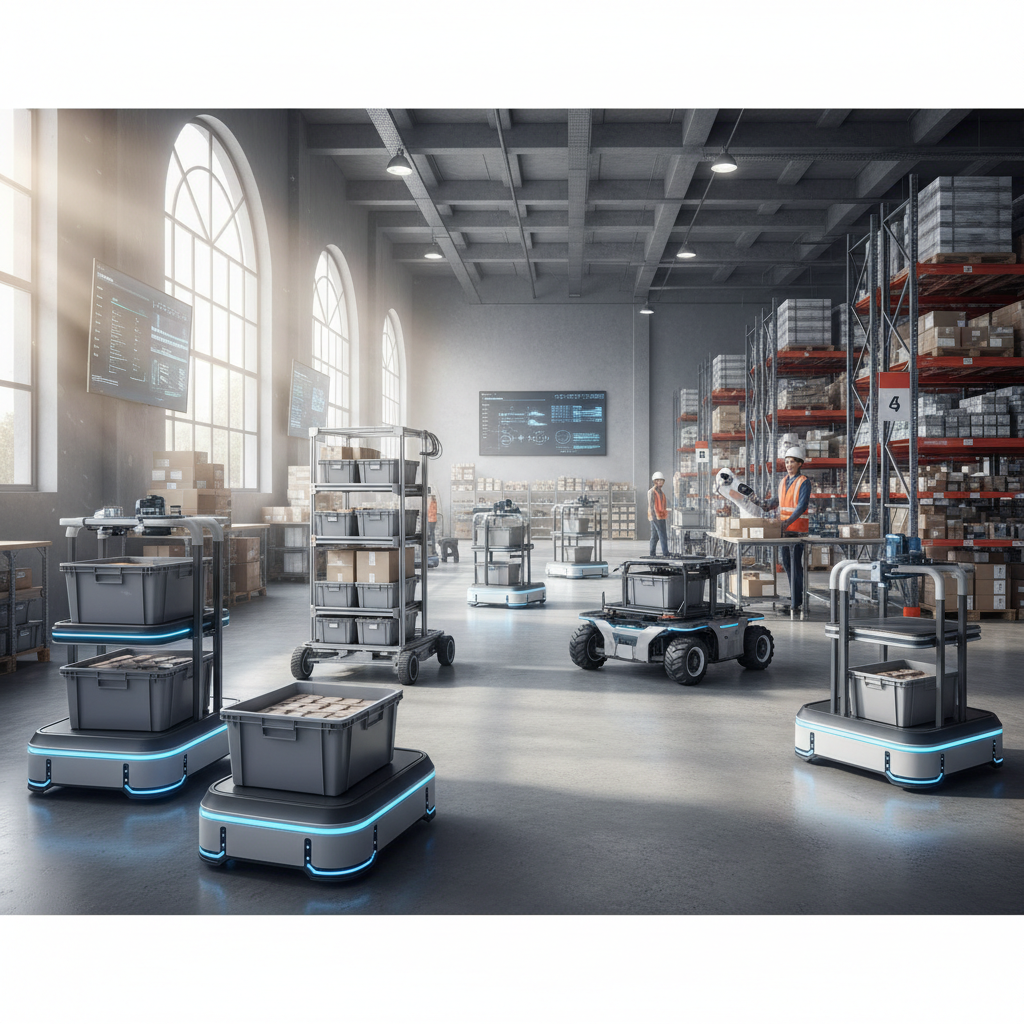
Key Considerations for Selecting an AMR Robot for Your Business Needs
When selecting an Autonomous Mobile Robot (AMR) for your business needs, several key considerations must be evaluated to ensure optimal performance and return on investment. First and foremost, understanding the specific tasks you want the AMR to perform is crucial. According to a report by ABI Research, the global market for mobile robotics is projected to surpass $13 billion by 2026, highlighting the increasing reliance on these technologies in various sectors like warehousing, manufacturing, and logistics. Clear task definition allows businesses to align the AMR's capabilities with their operational requirements, enhancing productivity.
Moreover, evaluating the robot's compatibility with existing infrastructure can significantly impact your operational efficiency. A study from Research and Markets indicates that businesses integrating AMRs can see productivity gains of up to 30% and a reduction in operational costs by 20%. This underscores the importance of selecting an AMR that can seamlessly interface with current systems, such as warehouse management software and navigational tools. Additionally, ensuring the AMR adheres to safety and regulatory standards is vital as these criteria help mitigate liability risks and enhance workplace safety, fostering greater acceptance among staff.
Understanding Different Types of AMR Robots and Their Applications
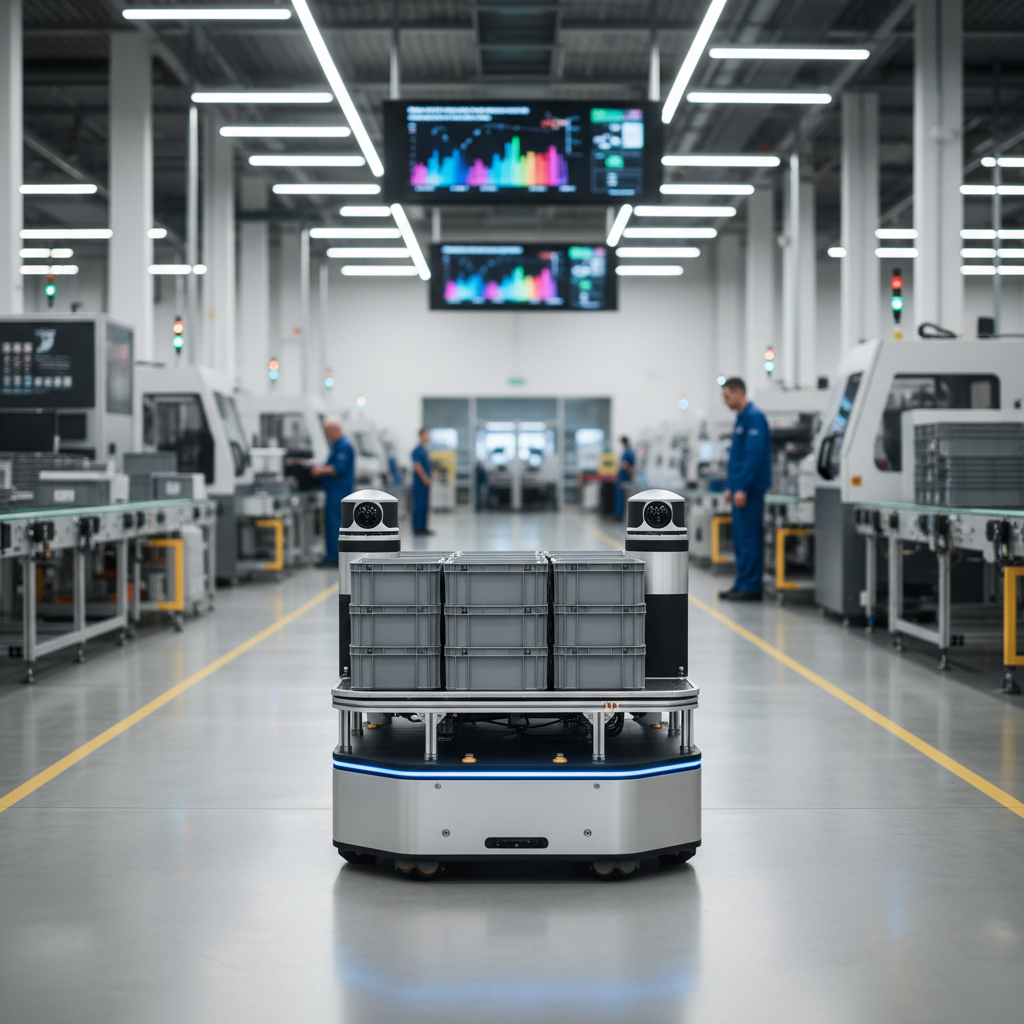
When selecting an Autonomous Mobile Robot (AMR) for your business, it's crucial to understand the various types available and their specific applications. AMRs can generally be categorized into several types based on their functionality, such as material handling robots, delivery robots, and inspection robots. Each type is designed to meet unique operational needs. For instance, material handling robots excel in transporting goods within warehouses, optimizing logistics processes, while delivery robots are ideal for last-mile delivery tasks in retail environments.
In addition to their primary functions, AMR robots also vary in terms of navigation methods. Some employ laser scanners for precise navigation in dynamic environments, whereas others may rely on simpler technology like line-following or GPS. Understanding these distinctions helps businesses align their operational needs with the capabilities of different AMR solutions. By carefully assessing the intended use case, workflow requirements, and the specific features of the AMR robots, businesses can effectively enhance productivity, reduce labor costs, and streamline processes tailored to their unique objectives.
10 Essential Tips for Choosing the Right AMR Robot for Your Business
This bar chart illustrates the application frequency of various types of Autonomous Mobile Robots (AMRs) in different sectors. Understanding these applications can help businesses make informed decisions when selecting the right AMR for their needs.
Evaluating the Cost-Effectiveness of AMR Robots for Your Operations
When evaluating the cost-effectiveness of Autonomous Mobile Robots (AMRs) for your operations, it’s crucial to consider both the initial investment and the long-term savings they can generate. The upfront cost of an AMR can vary significantly based on its capabilities and features. Businesses must weigh this cost against potential efficiencies gained through automation. For instance, AMRs can reduce labor costs by taking over repetitive and mundane tasks, allowing human workers to focus on more strategic operations, ultimately driving productivity increases.
In addition to direct cost reductions, consider the flexibility and scalability that AMRs offer. As your business grows or changes, AMRs can be integrated easily into existing workflows without the need for extensive retraining or overhauling of current systems. Furthermore, the data collected by AMRs can provide insights into operational inefficiencies, helping businesses refine processes and further enhance productivity. By fully understanding these aspects, businesses can make informed decisions on whether investing in AMRs will yield a favorable return on investment in the long run.
Integration Challenges: Ensuring Compatibility with Existing Systems
Integrating Autonomous Mobile Robots (AMRs) into existing business systems poses significant challenges, particularly concerning compatibility and data interoperability. As noted in recent studies, effective integration depends on ensuring that new technology can seamlessly function alongside legacy systems. For instance, a report highlighted that over 70% of businesses struggle with system integration due to disparate data sources, indicating the critical need for robust integration strategies.
When selecting an AMR, businesses should prioritize systems that support existing infrastructure. For example, choosing AMRs that come with built-in compatibility features can significantly reduce integration hurdles. Additionally, it is essential to consider AMRs equipped with open API protocols, facilitating easier communication with other software and hardware systems. Companies should conduct thorough assessments of potential AMR technologies, focusing on their ability to integrate with IoT devices, as the demand for comprehensive IoT system integration services continues to rise.
To ensure a successful implementation, organizations may benefit from consulting with technology integrators who specialize in the latest trends in digital transformation. Engaging with experts who understand the intricacies of AI and automation can provide insights into the most effective strategies for overcoming integration challenges. Ultimately, aligning AMR capabilities with existing business systems can enhance operational efficiency and drive long-term success.
Future Trends: What to Expect from AMR Technology in 2025 and Beyond
As we look toward 2025 and beyond, the landscape of Autonomous Mobile Robot (AMR) technology is set to evolve significantly. Industry reports, such as those from Research and Markets, project that the global AMR market will reach $26.2 billion by 2027, reflecting a compound annual growth rate (CAGR) of over 23%. This growth is driven by advancements in AI, machine learning, and sophisticated perception systems, enabling AMRs to navigate and operate in increasingly complex environments.
When selecting the right AMR for your business, it's crucial to consider automation capabilities. Tip: Assess the specific tasks your AMR will perform to ensure it aligns with your operational needs. Additionally, wireless connectivity is increasingly important, as the rise of IoT integration allows for remote monitoring and real-time data analytics. Tip: Choose AMRs that support advanced connectivity options to facilitate seamless data exchange.
Looking into the future, the integration of 5G technology is expected to revolutionize AMR efficiency, offering lower latency and faster data transfer. This will significantly enhance real-time decision-making capabilities. Businesses should plan for this technological shift by investing in AMR solutions that are 5G-ready. Tip: Stay informed about evolving technologies to ensure your investment remains viable in a rapidly changing market.
10 Essential Tips for Choosing the Right AMR Robot for Your Business - Future Trends: What to Expect from AMR Technology in 2025 and Beyond
| Tip | Description | Expected Trends (2025) | Benefits |
|---|---|---|---|
| 1. Assess Your Needs | Analyze the specific tasks you need the AMR robot to perform. | More customizable solutions. | Increased operational efficiency. |
| 2. Evaluate Compatibility | Ensure the robot integrates well with your existing systems. | Improved interoperability. | Seamless implementation. |
| 3. Consider Scalability | Choose robots that can scale with your business growth. | Increased adaptability. | Future-proof investments. |
| 4. Look for Advanced Navigation | Select robots with sophisticated navigation capabilities. | Enhanced navigation accuracy. | Optimized route efficiency. |
| 5. Check Safety Features | Make sure the robot has safety protocols in place. | Greater emphasis on safety standards. | Reduced workplace accidents. |
| 6. Assess Maintenance Needs | Evaluate how often the robot requires maintenance. | Automated self-diagnostic tools. | Lower operational disruptions. |
| 7. Review ROI Potential | Calculate the return on investment from the robot. | More focus on cost-effectiveness. | Informed budgeting decisions. |
| 8. Explore Use Case Examples | Research successful AMR deployments in your sector. | Case studies on diverse applications. | Clearer expectations. |
| 9. Get User Feedback | Consult with current users about their experiences. | Growing community of users. | Better-informed decisions. |
| 10. Stay Updated on Innovations | Keep abreast of the latest AMR technological advancements. | Rapid technological progress. | Enhanced competitive advantage. |
Related Posts
-
Ultimate Guide to Mastering Agile Robotics for Business Success
-

Unlocking the Future: An Ultimate Guide to Choosing the Right Autonomous Robot for Your Business
-
How to Leverage Think Robotics for Enhanced Industrial Efficiency
-

Rethinking Robots: How Innovative Technology is Shaping Our Future Workspaces
-

Top 10 Innovative Think Robotics Solutions Transforming the Future of Automation
-

Top 10 Robotics Lab Innovations Transforming Technology and Education