10 Essential Tips for Effective Robotics Learning for Beginners
In the rapidly evolving world of technology, robotics learning has emerged as a vital field that opens up countless opportunities for innovation and creativity. For beginners, delving into this fascinating domain can be both exciting and daunting. The complexity of robotics, which combines elements of engineering, programming, and artificial intelligence, can overwhelm newcomers. However, with the right guidance and resources, anyone can embark on a successful journey into robotics learning.
This article aims to provide ten essential tips that will equip beginners with the foundational knowledge and skills necessary to excel in robotics. From understanding the basic principles of robotics to hands-on practice with kits and tools, these tips will serve as a stepping stone for aspiring roboticists. Whether you are a student, an educator, or simply a curious individual, these actionable strategies will empower you to navigate the challenges of robotics learning and spark your passion for creating intelligent machines. Embrace this journey with enthusiasm, and unlock the potential that robotics holds for future innovation.

Understanding the Basics of Robotics for Beginners
Robotics is an interdisciplinary field that combines engineering, computer science, and cognitive psychology, making it essential for beginners to grasp the fundamental concepts before diving deeper. According to the International Federation of Robotics, the global robot density reached 113 robots per 10,000 employees in manufacturing industries as of 2023, highlighting the rising importance of robotics skills in the workforce. Understanding these basics not only provides insights into how robots are designed and operated but also prepares beginners for future advancements in technology and automation.
One of the critical areas for newcomers to explore is programming languages commonly used in robotics, such as Python and C++. A report by MarketsandMarkets indicates that the robotics software market is expected to grow from $15.5 billion in 2023 to $30.3 billion by 2028, showcasing the increasing demand for software skills in the robotics domain. Beginners should also familiarize themselves with practical applications like sensor integration and machine learning, which are crucial for developing responsive and intelligent robotic systems. Engaging in hands-on projects can solidify these foundational skills while fostering creativity and problem-solving abilities essential for any aspiring robotics enthusiast.
10 Essential Tips for Effective Robotics Learning for Beginners
| Tip Number |
Tip |
Description |
Resource |
| 1 |
Start with the Basics |
Understand fundamental concepts in robotics like sensors and actuators. |
Online courses, ebooks |
| 2 |
Hands-On Practice |
Build simple projects to apply what you've learned. |
DIY kits, robotics clubs |
| 3 |
Learn Programming |
Familiarize yourself with programming languages used in robotics. |
Codecademy, freeCodeCamp |
| 4 |
Join a Community |
Engage with others to share knowledge and experiences. |
Forums, local meetups |
| 5 |
Experiment with Simulation Software |
Use software to simulate robotics environments. |
Gazebo, V-REP |
| 6 |
Take Online Courses |
Access structured content to improve your knowledge. |
Coursera, edX |
| 7 |
Learn from Mistakes |
Analyze failures to improve your skills and design. |
Personal projects |
| 8 |
Stay Updated |
Follow latest trends and advancements in robotics. |
Blogs, podcasts |
| 9 |
Work in Teams |
Collaborate with others to enhance problem-solving skills. |
Group projects |
| 10 |
Stay Curious |
Constantly explore new ideas and technologies. |
Research papers, tech websites |
Choosing the Right Robotics Kits and Tools for Learning
When embarking on a journey into robotics education, selecting the appropriate kits and tools is crucial for beginners. A comprehensive report by the Robotics Industry Association indicates that the global market for educational robotics has been growing at a rate of 20% annually, reflecting a surge in interest among learners of all ages. Beginners should look for robotics kits that offer a complete package, including components like sensors, motors, and microcontrollers, which facilitate hands-on learning. Kits from reputable brands, such as LEGO Mindstorms and VEX Robotics, are designed not just to be user-friendly but also to introduce fundamental programming concepts through engaging activities.
Notably, the emergence of online platforms and communities has expanded access to essential learning tools and resources. In a survey conducted by Technavio, 45% of respondents noted that online tutorials and courses significantly enhance their understanding of robotics. This is particularly important for beginners, as they can leverage these resources alongside their chosen kits to build and program their robots effectively. By selecting a well-rounded robotics kit and utilizing available online resources, learners can maximize their engagement and understanding, paving the way for a successful foray into the world of robotics.
Fostering Problem-Solving Skills Through Hands-On Projects
Engaging in hands-on projects is crucial for beginners in robotics, as it significantly enhances problem-solving skills. When learners immerse themselves in building and programming robots, they encounter real-world challenges that require creative solutions. For instance, when designing a robot to navigate a maze, students must analyze variables such as sensor placement and movement strategies. This trial-and-error process fosters critical thinking and adaptability, essential traits for successful engineers.
Moreover, hands-on projects encourage collaboration and communication among peers. Working in teams to tackle complex tasks allows beginners to discuss different approaches and share insights, enriching their learning experience. This collaborative environment not only aids in problem-solving but also builds a sense of community, making the learning process both enjoyable and effective. By focusing on practical applications, aspiring roboticists can develop a deeper understanding of concepts while honing their skills in a supportive atmosphere.
Utilizing Online Resources and Communities for Support
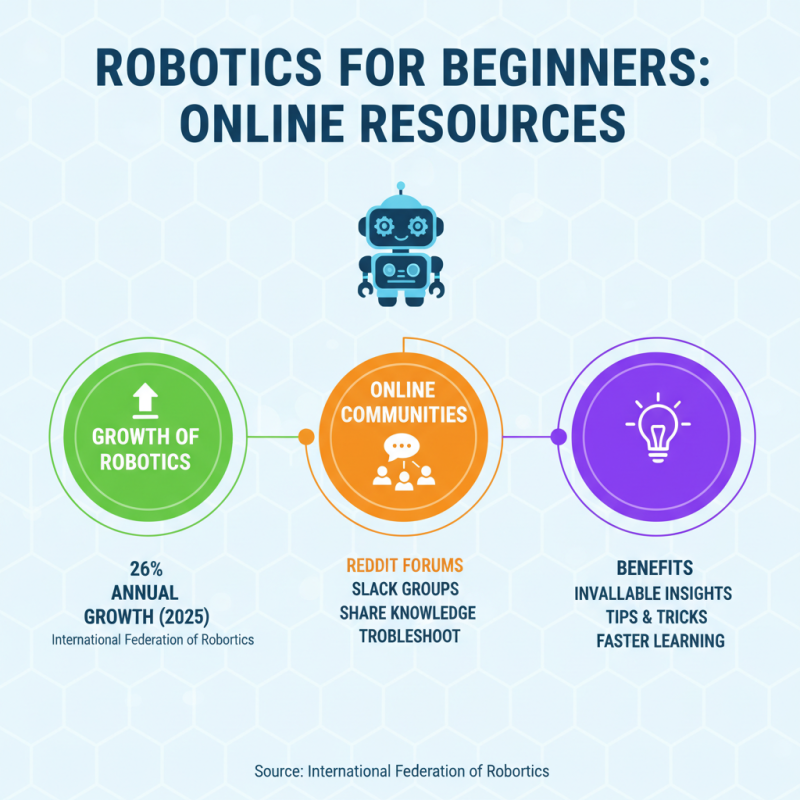
As beginners venture into the world of robotics, harnessing online resources and communities can be a game-changer. According to a report by the International Federation of Robotics, the robotics industry is expected to grow at a staggering rate of 26% annually through 2025. This growth indicates a burgeoning community of enthusiasts, experts, and learners sharing their knowledge and experiences online. Engaging in forums such as Reddit or robotics-specific Slack groups can provide invaluable insights, as members often share tips and troubleshoot common challenges.
One essential tip for effective robotics learning is to actively participate in community discussions. Engaging with others not only enhances your understanding but also allows you to learn from the mistakes and successes of more experienced individuals. Additionally, utilizing platforms like YouTube and online courses can supplement your learning. The Robotics Education & Competition Foundation states that students who engage with hands-on projects and collaborate with peers are 80% more likely to stay motivated in their learning journey.
Furthermore, consider joining online robotics competitions, which are plentiful and can be accessed via platforms such as First Robotics or VEX Robotics. These competitions encourage collaboration and innovation while providing a tangible goal to work towards. By leveraging these online resources and communities, beginners can significantly enhance their robotics learning experience and stay connected with the latest industry trends.
Setting Realistic Goals and Tracking Progress in Robotics Learning
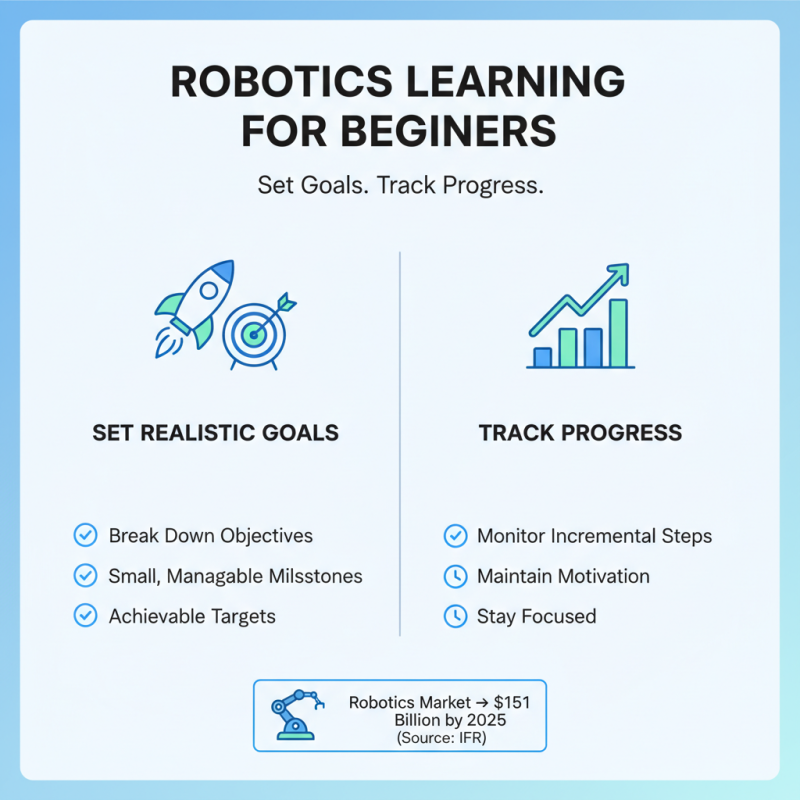
Setting realistic goals and tracking progress are crucial components of effective robotics learning for beginners. According to a report by the International Federation of Robotics, the robotics industry is expected to reach a market size of $151 billion by 2025, making it essential for newcomers to establish clear and achievable targets in their learning journey. Beginners should consider breaking down their overall learning objectives into smaller, manageable milestones. This not only allows for incremental progress but also helps maintain motivation and focus throughout the learning process.
Regularly tracking progress is equally important in the realm of robotics. A study by the Association for the Advancement of Artificial Intelligence indicates that learners who consistently monitor their progress report higher levels of competence and satisfaction. Tools such as journals or digital trackers can be invaluable for documenting achievements, setbacks, and areas needing improvement. By reviewing progress periodically, beginners can adjust their learning strategies, ensuring they remain aligned with their goals and continue to advance in this rapidly evolving field.