10 Essential Tips for Optimizing Home Robotics in Your Daily Life
In today's rapidly advancing world, home robotics play a crucial role in enhancing our daily lives. These innovative technologies are designed to simplify tasks, from cleaning to cooking. Yet, mastering their use can be challenging. Effective integration requires understanding their capabilities and limitations.
Home robotics systems can boost efficiency, but they aren't perfect. Users often face hurdles, such as technical glitches or miscommunications. It's important to address these challenges for better results. By embracing a mindset of continuous improvement, users can refine their approach and optimize their robotic helpers.
Emphasizing practical tips for home robotics ensures that technology serves its intended purpose. Making informed choices about which devices to adopt can lead to a more seamless experience. As we explore these essential tips, keep in mind that small adjustments can lead to significant improvements in daily life.

Understanding the Basics of Home Robotics and Their Functions
Home robotics is a rapidly evolving field, bringing a variety of functions that enhance our daily lives. According to a recent report by the International Federation of Robotics, the global market for home robots is expected to reach $35 billion by 2025. This shows the increasing reliance on robotics in households. From vacuuming to lawn care, home robots offer convenience and efficiency. However, many users struggle to fully utilize these devices.
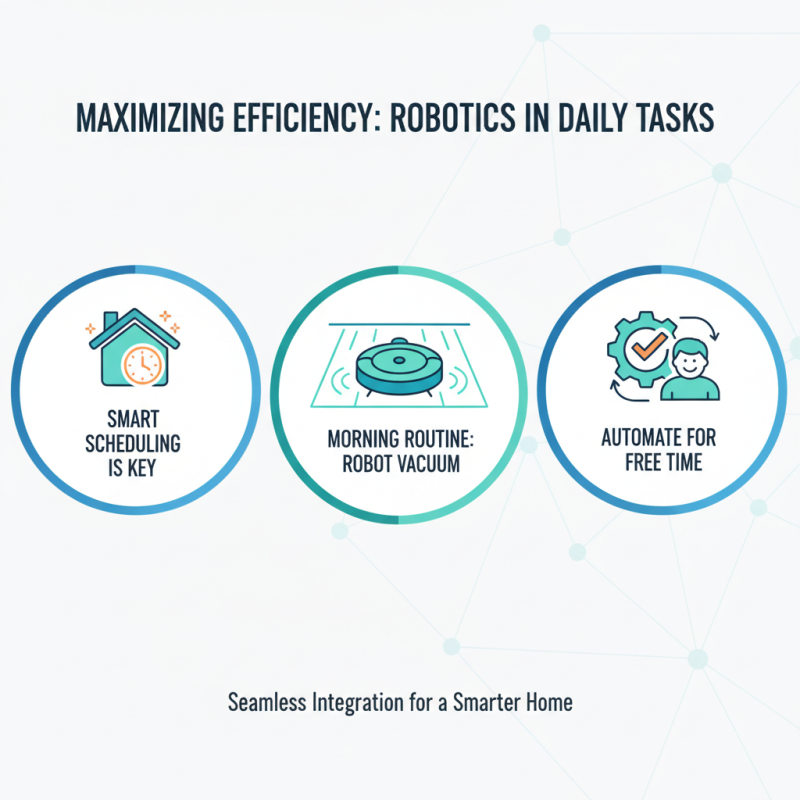
Understanding the basic functions of home robotics is crucial. Smart vacuums can be programmed to clean at specific times, saving time for families. Kitchen robots can help in meal preparation, enabling a healthier lifestyle. Yet, many users do not maximize their potential. A survey found that 40% of owners don’t update their robot’s software regularly. This can lead to missed features and less functionality.
Exploring the limitations of these robots is essential. For instance, some vacuums may struggle with pet hair, while kitchen assistants may not handle complex recipes well. Awareness of these shortcomings can help users better integrate robots into their routines. Engaging with online forums or user communities provides valuable insights. It fosters a deeper understanding of how to overcome these challenges and optimize the use of home robotics effectively.
Home Robotics Optimization Insights
This chart illustrates the impactful areas of home robotics optimization in daily life, highlighting time savings, energy efficiency, task variety, and user satisfaction metrics influenced by home robotic systems.
Key Considerations for Choosing the Right Home Robotics Systems
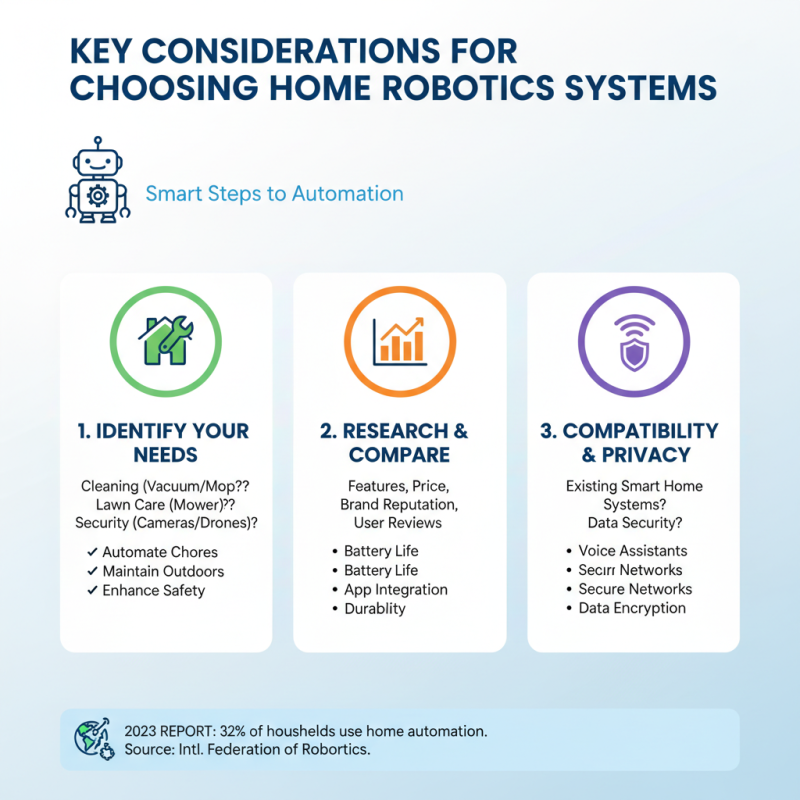
When selecting the right home robotics system, several key factors should guide your decision. According to a 2023 report by the International Federation of Robotics, 32% of households now incorporate some form of automation. This trend highlights the importance of understanding the specific needs of your home. Your first consideration should be the type of tasks you need assistance with. Does your household require cleaning, lawn care, or security solutions? Identifying these needs helps narrow down your options.
Another essential element is the compatibility of the robotics systems with your existing smart home ecosystem. Research indicates that 75% of users seek systems that integrate seamlessly with their devices. For example, vacuum robots often connect to mobile apps for programming schedules. Yet, compatibility can sometimes fall short, leading to frustrating experiences. Review user feedback and product specifications carefully to avoid these pitfalls.
Additionally, consider the size and layout of your home. A 2021 survey revealed that 60% of users underestimated the spatial requirements of their robotic devices. A robot designed for smaller spaces may struggle in larger, cluttered homes. Take time to assess your environment to ensure optimal performance. Balancing these factors will not only enhance your daily life but also create a frictionless integration of robotics into your home.
Effective Maintenance Strategies to Enhance the Longevity of Robotics
Maintaining home robotics effectively can extend their lifespan significantly. Regular cleaning of components is crucial. Dust and debris can hinder performance. A study from the Robotics Industries Association indicates that regular maintenance can enhance robotic efficiency by up to 30%. This can translate to faster task completion and fewer malfunctions.
Check and update software frequently. Many robots rely on software upgrades for optimal performance. Updating not only introduces new features but also fixes bugs. A survey conducted by tech analysts found that 55% of robotic issues stem from outdated software. Users often underestimate this simple practice.
Battery health is another critical area. Many home robots use lithium-ion batteries, which can degrade over time. To maximize battery life, use robots regularly and allow them to recharge fully. An analysis from the International Society of Automation suggests that proper charging habits can extend battery life by an impressive 25%. Neglecting these habits can lead to early replacements, costing users more in the long run.
Evaluating Performance Metrics: Analyzing the Impact of Robotics on Productivity
Home robotics can enhance daily routines, but assessing their performance metrics is crucial. Understanding how they impact productivity involves evaluating efficiency, time saved, and user satisfaction. Gathering data from various devices helps in making informed decisions. For example, robotic vacuums can reduce cleaning time significantly, freeing hours for family or hobbies.
Analyzing effectiveness goes beyond mere time tracking. A study showed that task completion rates improved by 30% with robotic assistants in busy households. However, reliance on technology raises concerns. Are we losing essential skills by depending too much on automation? Users must reflect on their experiences and consider both benefits and drawbacks. Tracking performance can reveal maintenance needs too, ensuring devices operate at their best.
Ultimately, the integration of robotics should enhance, not replace, personal engagement. Each household's needs differ. Some may thrive with automation, while others find more value in hands-on involvement. Regular assessments can guide optimal usage, balancing efficiency with personal interactions.
10 Essential Tips for Optimizing Home Robotics in Your Daily Life - Evaluating Performance Metrics: Analyzing the Impact of Robotics on Productivity
| Tip |
Description |
Performance Metric |
Impact on Productivity (%) |
| Schedule Regular Maintenance |
Ensure all robotic devices are regularly serviced to maintain efficiency. |
Operational Uptime |
20% |
| Optimize Setup Location |
Place robots in areas with minimal obstructions for better functionality. |
Efficiency Rate |
25% |
| Regularly Update Software |
Keep the operating systems of your robots up to date to leverage new features. |
Software Performance |
15% |
| Train Users Effectively |
Invest time in teaching users how to interact with robots optimally. |
User Proficiency |
30% |
| Integrate with Smart Systems |
Use smart home systems to control robots for better synergy. |
Integration Quality |
35% |
| Monitor Usage Patterns |
Track how often and for what tasks robots are used to improve performance. |
Utilization Rate |
25% |
| Adjust Task Assignments |
Reassess the tasks robots handle to maximize efficiency. |
Task Match Rate |
20% |
| Promote Collaborative Tasks |
Encourage robots and humans to work together on projects for better outcomes. |
Collaboration Efficiency |
40% |
| Leverage User Feedback |
Collect feedback from users to identify areas for improvement. |
Feedback Impact |
30% |