High Pressure Hydroform Press Essential Tips for Buyers?
When considering a purchase, a High Pressure Hydroform Press represents a significant investment. Understanding its capabilities and features is crucial. These presses offer unique advantages in shaping materials. However, buyers need to be cautious. The market is saturated with options that vary in technology and reliability.
Many factors influence your choice. A well-regarded manufacturer can make a difference. Look for those with a solid reputation in the industry. It’s wise to research customer reviews and testimonials. These insights provide valuable perspectives on performance and durability.
Moreover, understanding the specifications is essential. The pressure ratings and material compatibility can impact your production process. Not every press is suited to all applications. Misjudging your requirements could lead to costly mistakes. Approach your decision with careful consideration and gather as much information as possible. Making an informed choice will enhance your operational efficiency and profitability.
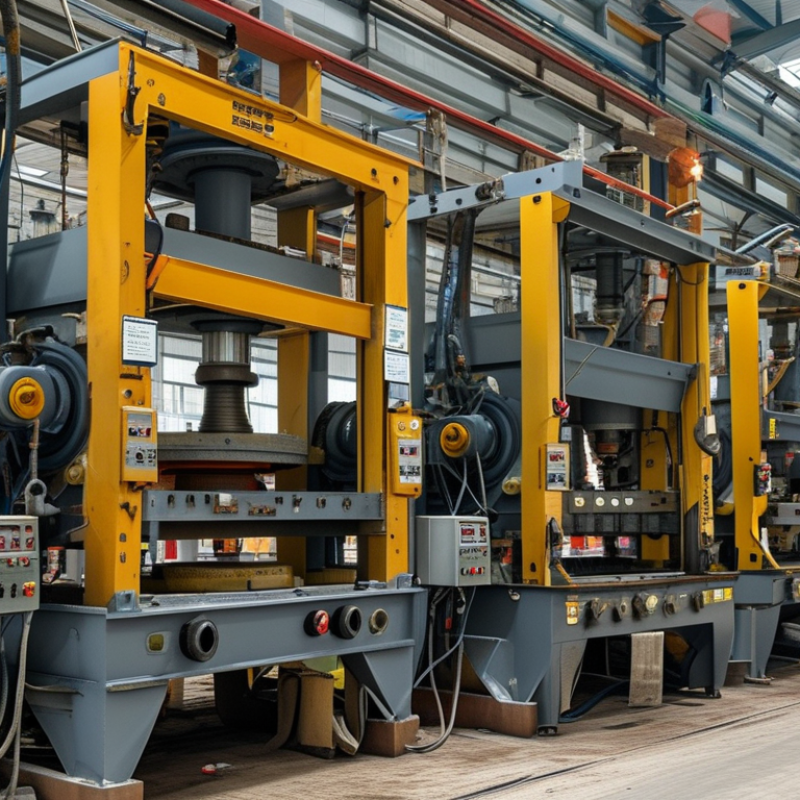
Understanding High Pressure Hydroform Press Technology
High-pressure hydroform presses are pivotal in manufacturing complex metal shapes. These machines utilize high pressure to form materials, ensuring precision and quality. Understanding this technology is essential for making informed buying decisions.
When considering a hydroform press, examine its pressure capabilities. Different applications require varying levels of pressure. An insufficiently rated machine may not provide the necessary force for your products. Researching the specific needs of your production line is crucial.
Another point to consider is the press tooling. High-quality, robust tooling leads to better product output. It often requires investment but pays off in durability and performance. Avoid compromising on this aspect to ensure your press operates efficiently for years.
Remember, investing in a high-pressure hydroform press is not just about cost. Factor in operational costs and maintenance needs. The overall efficiency of the machine often reflects on its life cycle. Engaging with experts in the field can reveal insights not found in standard manuals.
Key Features to Consider When Buying a Hydroform Press
When considering a high-pressure hydroform press, several key features warrant attention. One primary aspect is the press's tonnage capacity. A report by Industry Research stated that presses with 1,000 to 5,000 tons are popular in various sectors. This capacity range allows versatility across different materials and thicknesses, making it suitable for various applications, from small components to large-scale parts.
Another critical factor is the control system. Advanced systems enhance precision and user experience. According to an analysis by Metal Forming Magazine, CNC-controlled presses offer better repeatability and accuracy. These systems can reduce defects and minimize waste, essential for maintaining consistent production quality. User interfaces should be intuitive, allowing operators to adjust settings easily.
Energy efficiency also plays a pivotal role in selection. A survey in the industry revealed that energy-efficient presses can cut operational costs by up to 30%. This statistic underlines the importance of assessing energy consumption when making a purchase. While many buyers focus solely on initial cost, long-term savings from reduced energy bills can influence overall profitability. Ensuring continuous operator training is crucial. Without proper knowledge, the benefits of high-efficiency equipment may not be fully realized.
Evaluating Manufacturer Reputation and Support Services
When considering a high-pressure hydroform press, evaluating the manufacturer’s reputation is crucial. A reliable manufacturer is often backed by years of expertise in the industry. Reports show that 70% of buyers prioritize a company's history when making purchasing decisions. This historical data reflects a company's experience and reliability. Buyers should inspect customer reviews and testimonials to gauge the quality of service.
Support services also play a vital role in this decision-making process. According to industry surveys, prompt technical support and access to spare parts are critical factors for 68% of users. A manufacturer that offers robust customer support can significantly reduce downtime. It is essential to inquire about the availability of support during and after the installation. Not every manufacturer can guarantee this, which can reflect on their overall service quality.
Potential buyers sometimes overlook the importance of these factors. A high-pressure hydroform press is a significant investment. Issues with the machinery can lead to costly production delays. Buyers should ensure that the manufacturer they choose has a strong support network. Their commitment to after-sales services can ultimately affect overall satisfaction and productivity.
Assessing Cost vs. Benefit in Hydroform Press Purchases
When considering a high-pressure hydroform press, it's vital to weigh the cost against potential benefits. The initial investment for these presses can range significantly, often between $150,000 to $500,000 depending on specifications. Reports indicate that companies typically recoup their investment within three to five years through increased production efficiency.
Production efficiency can enhance output by up to 30%. However, not all presses are created equal. Some machines may promise high efficiency but require expensive maintenance, overshadowing initial savings. Additionally, energy costs can vary. A press that operates at high efficiency but consumes excessive energy may lead to escalating operational costs.
Evaluating the overall cost-benefit ratio involves careful analysis of projected production rates and operating costs. Potential buyers should forecast not only immediate costs but also long-term performance. It’s essential to educate yourself on the maintenance needs and lifespan of the equipment. A machine that offers high output but needs frequent repairs may not be the best investment. Aim for a balance of durability, energy efficiency, and production capability.
Maintenance Tips for Optimal Performance of Hydroform Presses
Maintaining high-pressure hydroform presses requires a detailed understanding of their operational needs. Regular maintenance can enhance performance and longevity significantly. According to industry reports, equipment failure due to neglect can lead to a 30% drop in productivity. Keeping the hydraulic fluids clean is crucial. Contaminated fluids can cause wear and tear, leading to costly repairs and downtime.
Cooling systems also play an essential role. Insufficient cooling can lead to overheating, affecting the press's ability to perform efficiently. It’s vital to monitor the temperature regularly. The ideal operating range typically falls between 60°C and 80°C. If temperatures exceed this range, performance degrades, risking damage and reduced effectiveness.
Operators should also inspect the seals and filters routinely. Worn seals can cause leaks, while clogged filters hinder performance. Industry statistics indicate that 45% of operational issues arise from failing seals and contaminated filters. Proper training for operators is often overlooked but is necessary for optimal performance. An informed operator can recognize potential issues before they escalate. Regular training can improve maintenance habits and site safety.
High Pressure Hydroform Press Essential Tips for Buyers
| Feature | Description | Maintenance Tip |
| Pressure Range | Typically ranges from 500 to 3000 psi | Regularly check the pressure gauge for accuracy. |
| Hydraulic Fluid | Use high-quality hydraulic fluid to enhance performance. | Change fluid every 2000 hours of operation. |
| Die Alignment | Precise alignment is crucial for effective pressing. | Check alignment before every production run. |
| Cooling System | Essential for maintaining optimal hydraulic temperature. | Ensure the cooling system is free of blockages. |
| Regular Inspections | Frequent checks can prevent unexpected breakdowns. | Schedule monthly inspection of key components. |
| Operator Training | Well-trained operators can maximize machine usage. | Invest in regular training sessions for staff. |