How to Implement Agile Robotics in Your Business?
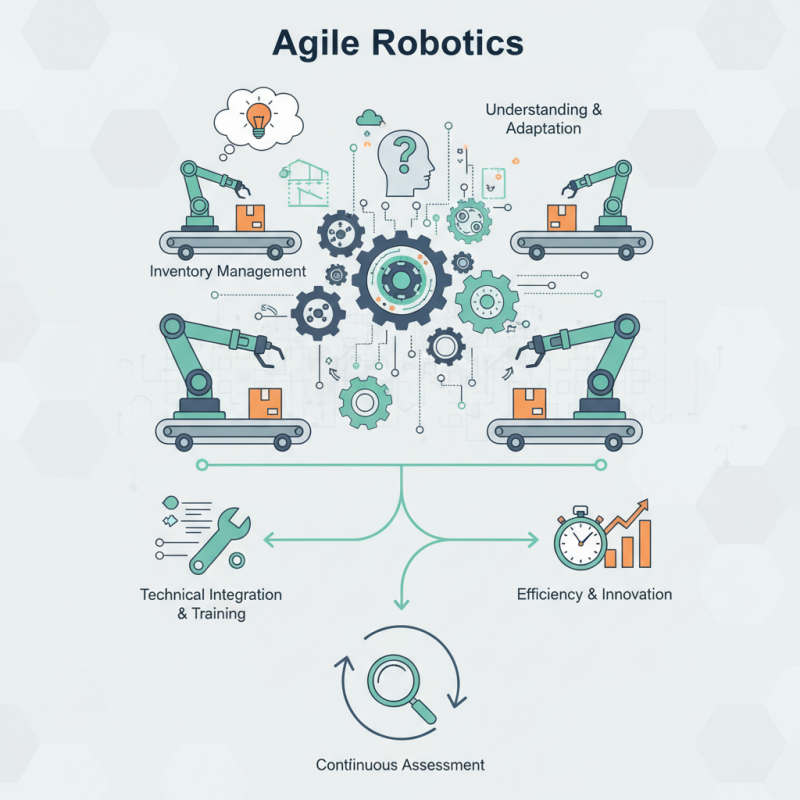
Agile robotics represents a transformative approach that can elevate business operations. Implementing these technologies is not just about adding robots to the workforce. It requires understanding how they can adapt and respond to ever-changing demands.
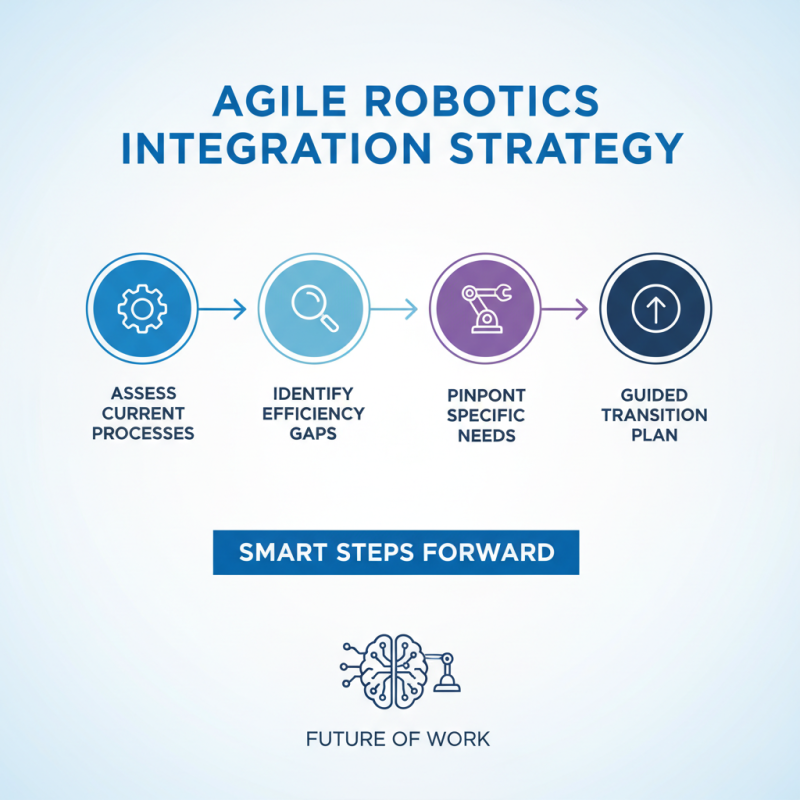
Incorporating agile robotics may seem daunting. Many businesses hesitate due to a lack of clarity. It’s essential to identify specific areas where these robots can enhance efficiency. For instance, using agile robotics in inventory management can streamline processes significantly. However, businesses must also be prepared for challenges, such as training staff and addressing technical issues.
Businesses can achieve remarkable outcomes with agile robotics. Implementing them opens new avenues for innovation. Yet, it is crucial to regularly reflect on their usage and effectiveness. Continuous assessment ensures that these advanced solutions meet business needs.
Understanding Agile Robotics and Its Benefits for Businesses
Agile robotics is changing the way businesses operate. These robots can adapt to various tasks, improving efficiency. They excel in environments that are unpredictable. For instance, a warehouse can benefit from agile robots handling different products. This flexibility allows companies to respond swiftly to customer demands.
Implementing agile robotics offers multiple advantages. It can reduce operational costs significantly. Labor-intensive jobs become easier and safer. Workers can focus on more complex tasks while robots manage repetitive work. However, adapting to this technology may not be smooth for every organization. Some may face resistance from employees. Training staff to work alongside robots is crucial but can be challenging.
Additionally, aligning agile robotics with existing processes can be a hurdle. Not all businesses are ready to shift their workflows. Some industries might struggle with integration. An evaluation of current systems can highlight potential obstacles. With careful planning and an open mindset, the benefits of agile robotics can outweigh the challenges. Businesses willing to embrace change will find themselves at a competitive advantage.
Impact of Agile Robotics Adoption on Business Efficiency
Identifying Key Areas in Your Business for Agile Robotics Implementation
Identifying key areas for agile robotics implementation can drastically change how your business operates. Start by examining your production line. Look for repetitive tasks that consume time and labor. Industries like manufacturing often have opportunities for improvement. Robots can handle simple assembly or packing. This frees up human workers for more complex tasks.
Next, consider customer service. Implementing chatbots or robotic systems can enhance response times. Customers appreciate quick assistance, and robotics can help achieve this. However, ensure you balance automation with a human touch. Sometimes, automated responses do not meet customer needs. It's essential to train staff to handle issues that require empathy.
Lastly, analyze your supply chain logistics. Agile robotics can improve inventory management. Automated systems can track stock levels in real time. They may reduce errors and improve efficiency. But, be aware of potential gaps in data security. Automation comes with risks that need addressing. Constant reflection and evaluation will be necessary as you integrate these technologies.
Evaluating the Necessary Technology and Tools for Agile Robotics
The adoption of agile robotics in business requires a critical evaluation of technology and tools. According to a recent industry report, 73% of companies recognize the value of robotics in enhancing efficiency. However, the integration process may not be straightforward. Businesses often face challenges in aligning existing operational workflows with new robotic capabilities.
When considering technology, sensors and AI play a crucial role. A study noted that 80% of successful agile robotics implementations involved advanced sensory systems. These systems allow robots to adapt to dynamic environments. On the flip side, not every organization has the necessary infrastructure to support such advancements. This gap can lead to suboptimal performance and costly failures.
Moreover, companies should invest in training and support tools. A report indicated that 59% of employees feel unprepared to work with new robots. Without adequate training, the full potential of agile robotics cannot be unlocked. Organizations must reflect on their training programs and seek continuous improvement to bridge this knowledge gap.
Measuring Success and Continuous Improvement in Agile Robotics Deployment
In the world of agile robotics, measuring success is vital. Clear metrics help businesses assess their progress. Key performance indicators (KPIs) can include operational efficiency, cost reductions, and speed of deployment. Each metric provides insight into how well agile robotics are meeting business goals. Regular check-ins are essential to adapt strategies based on these metrics.
Continuous improvement is another cornerstone. Teams should encourage feedback loops. This means regularly collecting data from robotic systems and human operators. Identifying challenges early can turn obstacles into opportunities. It’s common to encounter hiccups in the deployment process. Accepting imperfections helps teams focus on solutions. For example, if a robot often fails in a specific task, it might require retraining or redesigning.
Engaging all stakeholders fosters a culture of innovation. Support from every team member is crucial. Some may resist change, but collaboration can lead to breakthroughs. Celebrate small wins to motivate teams to keep refining processes. Agile robotics is not just about technology; it’s about people working together for better results. The path to success is rarely perfect, and that’s okay.