How to Implement Autonomous Logistics in Your Supply Chain?
In today’s rapidly changing market, companies strive for efficiency. Autonomous logistics emerges as a potential game-changer. This innovative approach uses technology to streamline supply chain operations. It reduces delays and enhances customer satisfaction. However, the implementation process is complex, requiring careful planning.
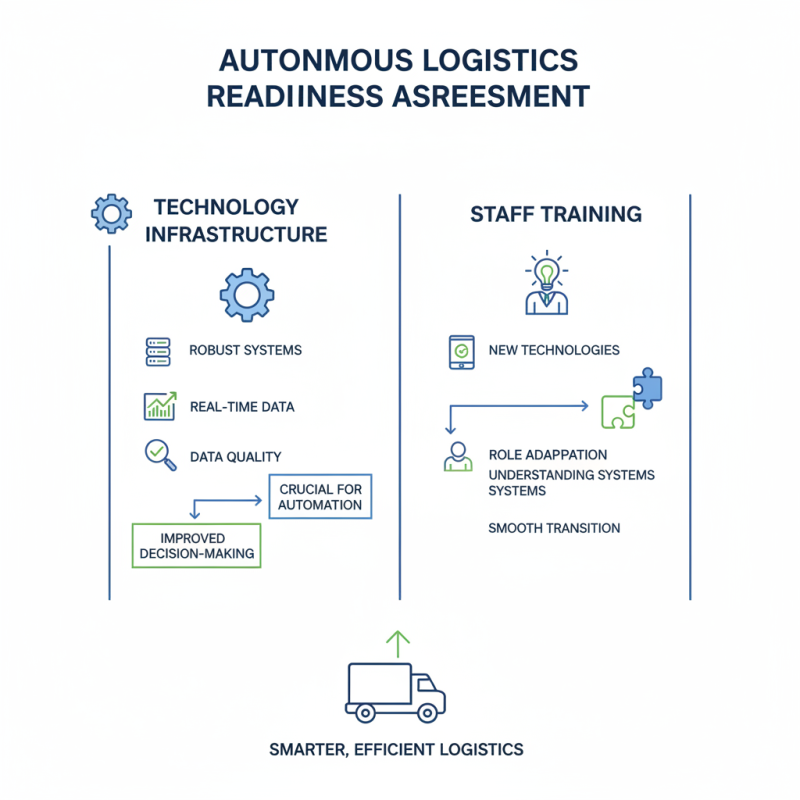
Autonomous logistics involves integrating automated vehicles, drones, and advanced software. These tools facilitate real-time tracking and inventory management. Yet, challenges exist. Data security and technology costs can be significant barriers for businesses. Additionally, workforce training is essential. Employees must adapt to new technologies. Without proper training, disruptions may occur.
The path to implementing autonomous logistics is not seamless. Companies must address operational gaps and workflow inefficiencies. Reflection on current practices is vital. With the right strategies, businesses can progress towards a more efficient and autonomous supply chain.
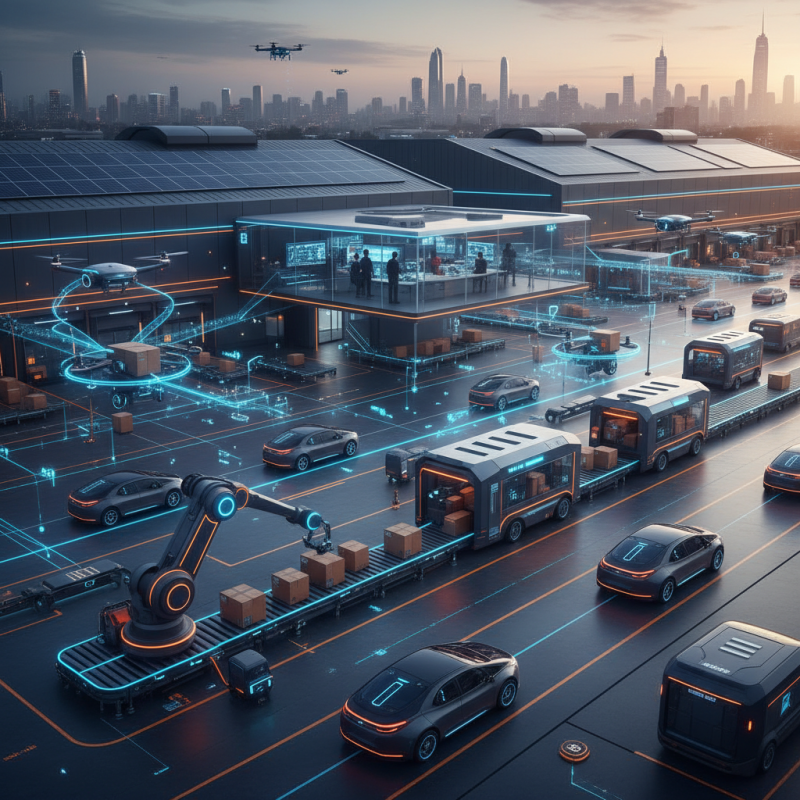
Understanding the Concept of Autonomous Logistics in Supply Chains
Autonomous logistics refers to the use of advanced technology to streamline supply chain processes. Imagine automated vehicles navigating routes without human intervention. These systems rely on artificial intelligence to make real-time decisions, enhancing efficiency. Automated inventory systems monitor stock levels continuously, reducing shortages. However, implementing such technologies is not without challenges.
Organizations must ensure the technology integrates seamlessly with existing systems. Training staff on new processes is crucial. Often, resistance to change can hinder progress. Some employees may feel threatened by automation. It is essential to address these concerns to foster a collaborative environment. Not everyone understands this shift, leading to gaps in execution.
Moreover, data privacy and cybersecurity issues cannot be ignored. Autonomous systems require vast amounts of data, raising concerns about sensitive information. An infrastructure that lacks robust security measures can become a target. Balancing innovation with safety is an ongoing challenge. The journey to fully autonomous logistics is complex, but the potential rewards are significant.
Key Technologies Driving Autonomous Logistics Solutions
The shift towards autonomous logistics is reshaping supply chains worldwide. Key technologies are at the forefront of this evolution. Robotics, for example, are transforming warehouse operations. Automated guided vehicles (AGVs) and drones can move goods efficiently. They reduce human error and increase speed. However, their integration requires careful planning and investment.
Artificial intelligence (AI) plays a critical role in optimizing logistics. AI algorithms analyze vast amounts of data. They help predict demand and manage inventory levels. Such technology improves decision-making but may require ongoing adjustments. Human oversight is still necessary to ensure the system runs smoothly. Too much reliance on AI could lead to unforeseen challenges.
Another crucial technology is the Internet of Things (IoT). IoT devices track shipments in real time. They provide valuable insights into the supply chain. Yet, incorporating IoT brings cybersecurity risks. Protecting sensitive data must be a priority. Companies need to balance innovation with safety. Autonomous logistics has immense potential, but the journey holds many complexities.
Steps to Integrate Autonomous Logistics into Existing Supply Chain Models
Integrating autonomous logistics into supply chain models requires careful planning. Start with a thorough assessment of current logistics capabilities. Understanding existing workflows is crucial. According to a recent industry report, 85% of companies struggle with outdated logistics systems. Identifying bottlenecks can help pinpoint areas for improvement.
Next, invest in technology solutions that fit your operational needs. Technologies such as AI and IoT play a vital role. A study found that companies implementing these technologies saw a 30% reduction in delivery times. However, the transition can be challenging. Training staff and adjusting to new systems can create friction.
Finally, pilot programs can provide valuable insights. Running a small-scale trial helps assess effectiveness before full implementation. Many firms report mixed results in initial trials. Gathering feedback is essential for refining processes. Continuous evaluation ensures long-term success in autonomous logistics integration.
Implementation of Autonomous Logistics in Supply Chain
The chart above represents the efficiency improvement percentages associated with different levels of automation in autonomous logistics implementation. As the level of automation increases, the efficiency improvements also escalate significantly, showcasing the potential benefits of integrating autonomous logistics into supply chain operations.
Measuring the Impact of Autonomous Logistics on Supply Chain Performance
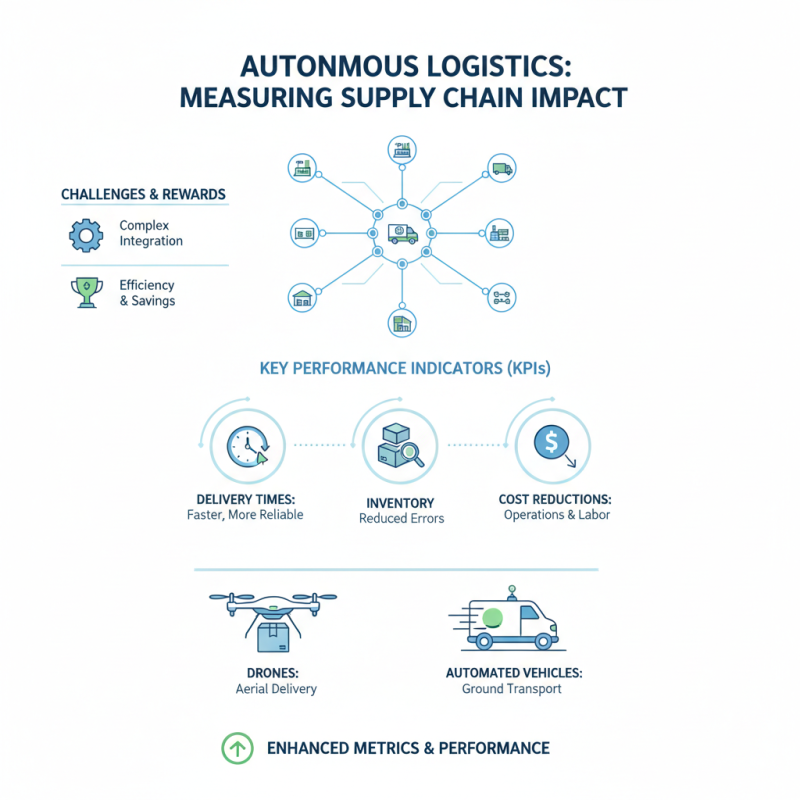
Measuring the impact of autonomous logistics on supply chain performance can be challenging yet rewarding. To start, organizations should establish clear performance indicators. This includes metrics like delivery times, inventory accuracy, and cost reductions. Autonomous technologies, such as drones and automated vehicles, can enhance these metrics significantly.
Tips: Regularly review these metrics. Adjust strategies based on the data collected. Engage with your team to understand their experiences with automation. Keep an open channel for feedback. This will help identify areas for improvement.
Incorporating autonomous logistics doesn’t automatically guarantee success. Companies may face obstacles, such as employee resistance or technology integration issues. It's essential to address these challenges proactively. Training staff on new systems can ease the transition. Assessing the technology's effectiveness is critical. Look for gaps in performance and seek continuous improvement.
Tips: Start with small pilots before scaling up. Learn from any setbacks. Acknowledge that not every automation attempt will succeed. Embrace these lessons as part of the journey.