2025 How to Implement Robotics Automation for Your Business Success
In the rapidly evolving landscape of modern business, the integration of robotics automation has emerged as a transformative force, driving efficiency and innovation across various sectors. As noted by Dr. Emily Chen, a leading expert in the field of robotics automation, "Embracing robotics automation is not just an option; it's a necessity for businesses aiming to thrive in today’s competitive environment." This insight underscores the critical importance of adopting cutting-edge technologies to streamline operations and enhance productivity.
The implementation of robotics automation can present challenges, yet the potential rewards are substantial. Companies that leverage these technologies can achieve significant reductions in operational costs, improve quality consistency, and increase production speed. Therefore, it is imperative for businesses to develop a strategic approach to integrate robotics automation into their workflows effectively.
As we delve into the various facets of robotics automation in this guide, we will explore the steps necessary for successful implementation, the potential impact on workforce dynamics, and best practices for sustaining long-term success. By preparing to embrace this technological evolution, businesses can position themselves for future growth and competitiveness in their respective markets.

Understanding Robotics Automation: Key Concepts for Businesses
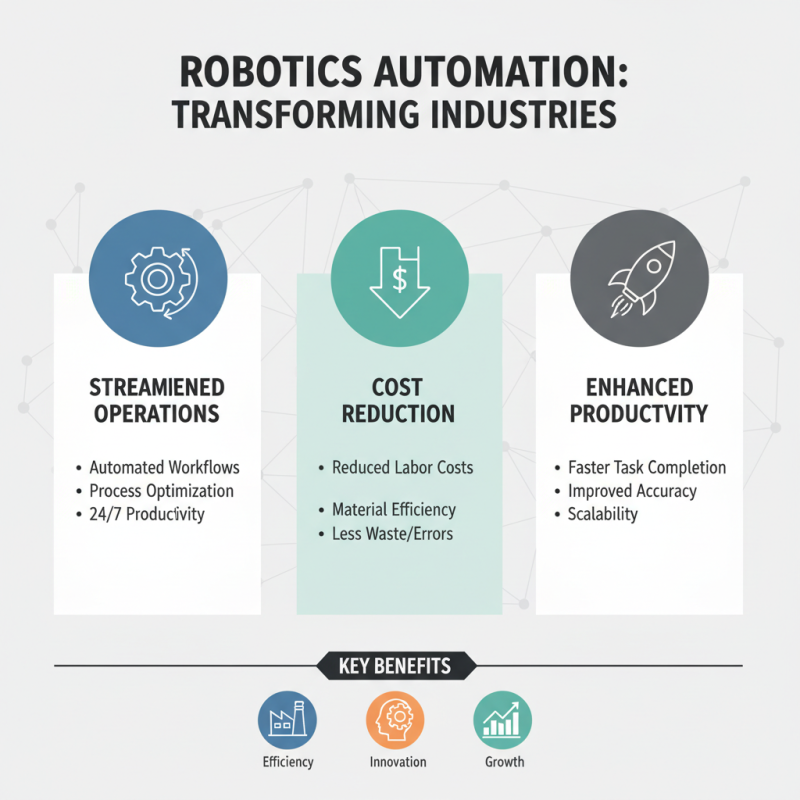
Robotics automation is rapidly becoming a transformative force across industries, helping businesses streamline operations, reduce costs, and enhance productivity. At its core, robotics automation involves the integration of technology to perform tasks traditionally undertaken by humans, allowing for increased efficiency and accuracy. Understanding the key concepts related to robotics automation is essential for businesses aiming to leverage this technology for success.
One crucial aspect to consider is the type of tasks that can be effectively automated. Repetitive, mundane jobs such as assembly line work, data entry, and inventory management are excellent candidates for robotics automation. By targeting these areas, businesses can free up human resources for more strategic roles that require critical thinking and creativity.
Tips for implementing robotics automation include starting with a clear assessment of business processes to identify automation opportunities. Collaborating with a team of experts can help in selecting the right technology that fits your needs without overwhelming your existing systems. It’s also important to invest in training your staff to work alongside robots, as this can lead to a smoother transition and improved operational synergy, maximizing the benefits of automation.
Identifying Business Processes Suited for Robotics Automation
Identifying business processes suitable for robotics automation is a critical step in leveraging technology to enhance operational efficiency. Begin by evaluating repetitive tasks that require minimal decision-making and are standardized across the organization. Processes like data entry, invoice processing, and inventory management often involve high volumes of monotonous activities that can be seamless targets for robotic process automation (RPA). By automating these functions, organizations can minimize human error, reduce processing times, and free up employees to focus on more strategic initiatives.
Additionally, consider processes that involve high levels of data manipulation or integration between various systems. Tasks such as updating customer records, generating reports, and managing workflows are prime candidates for robotic automation due to their data-intensive nature. These processes often benefit from the speed and accuracy that robots offer, allowing for real-time insights and improved decision-making. As businesses assess their operations, prioritizing these low-risk, high-reward processes can help in successfully implementing robotics automation, driving overall business success.
2025 How to Implement Robotics Automation for Your Business Success - Identifying Business Processes Suited for Robotics Automation
| Process Area |
Automation Potential (%) |
Typical Time Savings (Hours/Week) |
Cost Reduction ($/Year) |
Complexity Level (1-5) |
| Data Entry |
80% |
20 |
$15,000 |
2 |
| Invoice Processing |
75% |
15 |
$10,000 |
3 |
| Customer Support |
70% |
25 |
$20,000 |
4 |
| Order Fulfillment |
85% |
30 |
$25,000 |
3 |
| HR Onboarding |
60% |
10 |
$5,000 |
3 |
Steps to Evaluate and Select Robotics Automation Solutions
When considering robotics automation for your business, the first crucial step is to evaluate your specific needs and processes. According to a report by McKinsey, more than 60% of all occupations have at least 30% of activities that could be automated. This statistic underscores the importance of conducting a thorough analysis of which tasks within your organization are repetitive and time-consuming, making them ideal candidates for automation. Establishing clear goals for automation will help guide your selection of the appropriate solutions, ensuring that the technology aligns with your overall business strategy.
After identifying potential automation opportunities, the next step is to select the right robotics automation solutions. A study by Deloitte indicates that the global robotics market is projected to grow by over 26% annually over the next few years, highlighting the increasing relevance of adopting robotic solutions. When selecting a solution, consider factors such as scalability, ease of integration with existing systems, and the vendor’s support capabilities. Additionally, conducting a cost-benefit analysis is crucial; research from PwC indicates that organizations could see returns of up to 300% from their robotics investments within three years. This data can serve as a benchmark as you compare different offerings and make informed decisions for your business.
Integrating Robotics Automation into Your Existing Workflow
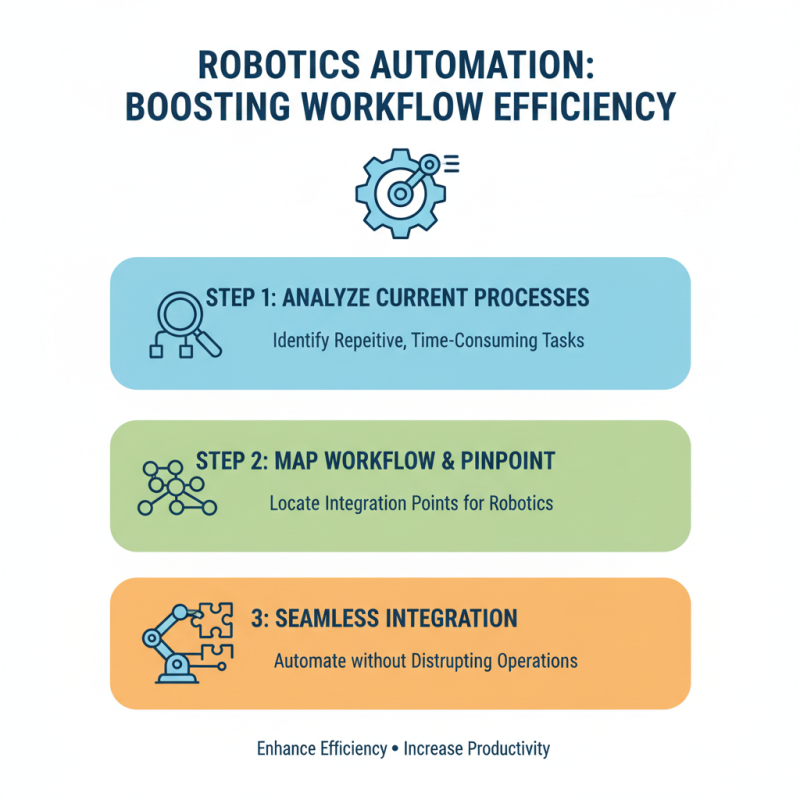
Integrating robotics automation into your existing workflow can significantly enhance efficiency and productivity. The first step is to conduct a thorough analysis of your current processes. Identify repetitive tasks that consume time and resources without adding significant value. These are prime candidates for automation. By mapping out your workflow, you can pinpoint areas where robotic solutions can be seamlessly integrated without disrupting ongoing operations. This strategic approach ensures that the transition to automation complements your current processes rather than complicating them.
Once you have identified suitable tasks for automation, it's essential to choose the right technology that aligns with your operational goals. This involves selecting robotic systems and software that can be easily integrated into your existing infrastructure. Consider factors such as scalability, customization, and ease of use when making your selection. Training your workforce to work alongside these technologies is equally important. Implement a training program that empowers employees to leverage robotic automation effectively, thereby fostering a collaborative environment where human intelligence and robotic precision work together for optimal results. This harmonious integration not only boosts operational efficiency but also enhances employee satisfaction, as staff can focus on more strategic tasks while robots handle routine functions.
Measuring Success and ROI of Robotics Automation Initiatives
Measuring the success and return on investment (ROI) of robotics automation initiatives is crucial for any business aiming to adopt these technologies effectively. One of the primary metrics to consider is productivity enhancement. By tracking output levels before and after implementing robotics solutions, businesses can quantify improvements in operational efficiency. In addition, monitoring the reduction in error rates can provide insights into the quality of output, allowing organizations to assess whether robotics automation is truly adding value to their processes.
Another important aspect of measuring success is cost analysis. Businesses should evaluate initial setup costs, including equipment and training, against the long-term savings generated through increased efficiency and decreased labor costs. A comprehensive analysis that includes hidden costs—such as maintenance and downtime—will yield a more accurate picture of ROI. Furthermore, customer satisfaction should also be incorporated into the evaluation process, as improved service delivery facilitated by robotics can lead to increased customer retention and revenue growth. By holistically measuring the impact of robotics automation, businesses can ensure that they are not only investing wisely but also optimizing their operations for future success.
Impact of Robotics Automation on Business Metrics (2022-2025)
This bar chart illustrates the projected improvements in efficiency, cost reduction, and ROI from implementing robotics automation in businesses from 2022 to 2025. As indicated, businesses expect to see significant enhancements in these areas, underscoring the importance of adopting robotic solutions for operational success.