How to Start Learning Robotics for Beginners?
Robotics learning is an exciting field for beginners. It combines engineering, programming, and creativity. Many people are drawn to robotics because it offers endless possibilities. The world of robotics is not just about building machines. It's about understanding how these machines can interact with our environment.
Starting your journey in robotics can feel overwhelming. There are numerous resources and tools available. However, choosing the right one can be challenging. Many beginners often struggle with complex concepts. It’s important to take small steps. Break down topics and tackle them one at a time. Don't be discouraged by mistakes; they are part of the learning process.
Hands-on experience is crucial in robotics learning. Building your own robot can provide practical insights. You might face difficulties along the way. Perhaps your robot won't function as expected. That's okay. Each setback is a chance to learn and improve. Embrace the journey, and keep experimenting.

Understanding the Basics of Robotics: Key Concepts and Terminology
Robotics is an exciting field combining engineering, programming, and design. Understanding key concepts is crucial for beginners. Start with the basics: what is a robot? A robot is a machine programmed to perform tasks. They can be simple or complex.
Next, familiarize yourself with important terminology. “Actuators” refer to components that help robots move. "Sensors" allow robots to perceive their environment. These parts work together to make a robot functional. You might find it challenging to grasp these terms at first. Don't worry if it takes time.
Exploring different types of robots helps deepen your understanding. There are industrial robots, service robots, and more. Each type has unique features. Reflect on what interests you most in this field. It’s okay if your initial focus shifts over time. Embrace the learning process and stay curious.
Choosing the Right Learning Resources: Books, Online Courses, and Communities
When starting your journey in robotics, selecting the right resources is crucial. Books are a good foundation. Look for beginner-friendly texts that cover basic concepts. They should explain key principles clearly. Online courses offer flexibility. Search for those that include hands-on projects. Practical experience helps to solidify your knowledge. A variety of platforms offer free and paid courses. Don’t hesitate to explore both.
Engaging with communities can enhance your learning experience. Online forums and local clubs provide valuable insights. You can ask questions and share ideas. However, not all communities are equally supportive. It’s important to find a group that encourages growth. Keep in mind that robotics is vast. It may feel overwhelming at times. Focus on specific areas that interest you most. Progress may be slow, but persistence is key.
How to Start Learning Robotics for Beginners? - Choosing the Right Learning Resources: Books, Online Courses, and Communities
| Resource Type |
Resource Name |
Description |
Level |
| Book |
Robotics: Modelling, Planning and Control |
Comprehensive coverage of robotics principles and applications. |
Beginner to Intermediate |
| Online Course |
Introduction to Robotics |
Basic concepts of robotics and practical applications. |
Beginner |
| Community |
Robotics Stack Exchange |
Q&A platform for robotics enthusiasts to ask questions and share knowledge. |
All Levels |
| Online Course |
Robotics Specialization |
In-depth specializations in various robotics areas. |
Intermediate to Advanced |
| Book |
Learning Robotics Using Python |
Teaches robotics and programming using Python language. |
Beginner |
| Community |
Robot Operating System (ROS) Community |
Support and resources for learning to use ROS. |
All Levels |
Essential Tools and Equipment for Beginner Robotics Projects
When diving into robotics, having the right tools is essential. A solid starting point is having a basic toolkit. This includes screwdrivers, pliers, and wire cutters. These handheld tools help with assembly and repairs. It’s important to ensure they are comfortable to hold. Remember, you will use them often.
Next, consider a microcontroller. This small device serves as the brain of your robot. You’ll program it to control movements and operations. Familiarize yourself with programming basics beforehand. Additionally, some sensors and motors will be necessary. Sensors help your robot perceive its environment. Motors enable movement, which is crucial for any robot project.
It's also wise to have a reliable power source. Batteries are common, but ensure they fit your robot’s needs. You might encounter challenges, such as power management issues. Testing different setups can lead to better results. Creating prototypes can be messy and iterative, but this process leads to growth and understanding. Embrace the imperfections. Learning from failures is a valuable part of your robotics journey.
Essential Tools and Equipment for Beginner Robotics Projects
Hands-On Projects: Practical Applications to Enhance Your Skills
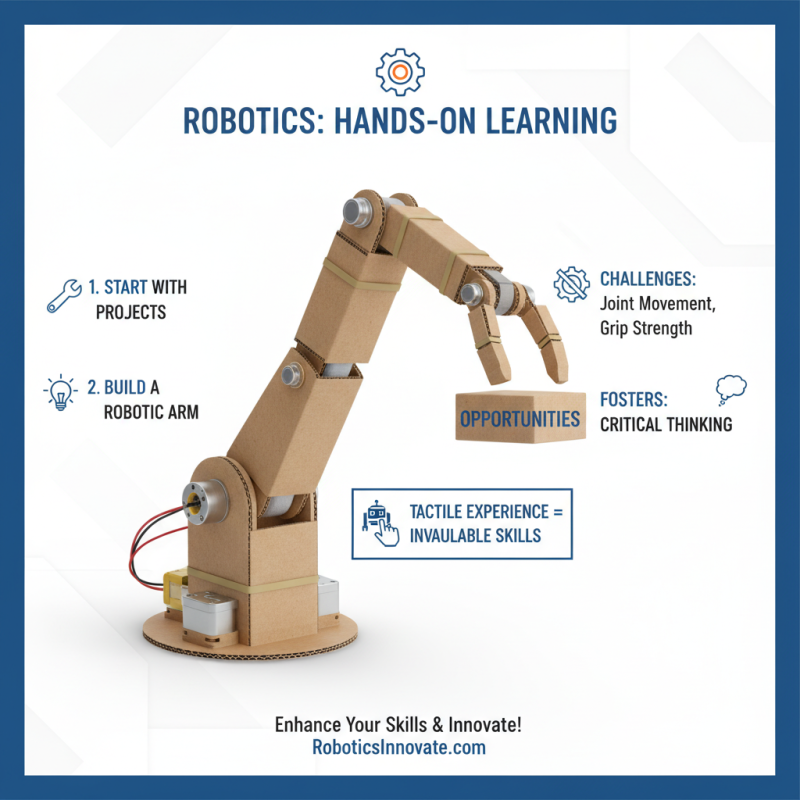
Robotics is an exciting field full of opportunities. Starting with hands-on projects is a great way to enhance your skills. One simple project could involve building a basic robotic arm. You can use materials like cardboard, rubber bands, and servos. The tactile experience is invaluable. You will face challenges, such as joint movement and grip strength. These issues force you to think critically.
Another engaging project is creating a simple line-following robot. You need sensors to detect the line. This project teaches sensor integration and programming. You can struggle with sensor calibration at first. Don’t be discouraged! Trial and error is part of the learning process. Document your results and reflect on what works and what doesn’t. This reflection deepens your understanding.
As you work on these projects, collaboration can be beneficial. Join local maker groups or online forums. Share your experiences and seek feedback. Other enthusiasts can provide insights you might have missed. Overall, engaging in practical projects makes learning robotics more enjoyable and effective. Embrace the imperfections and keep experimenting.
Exploring Career Paths in Robotics: Opportunities and Industry Insights
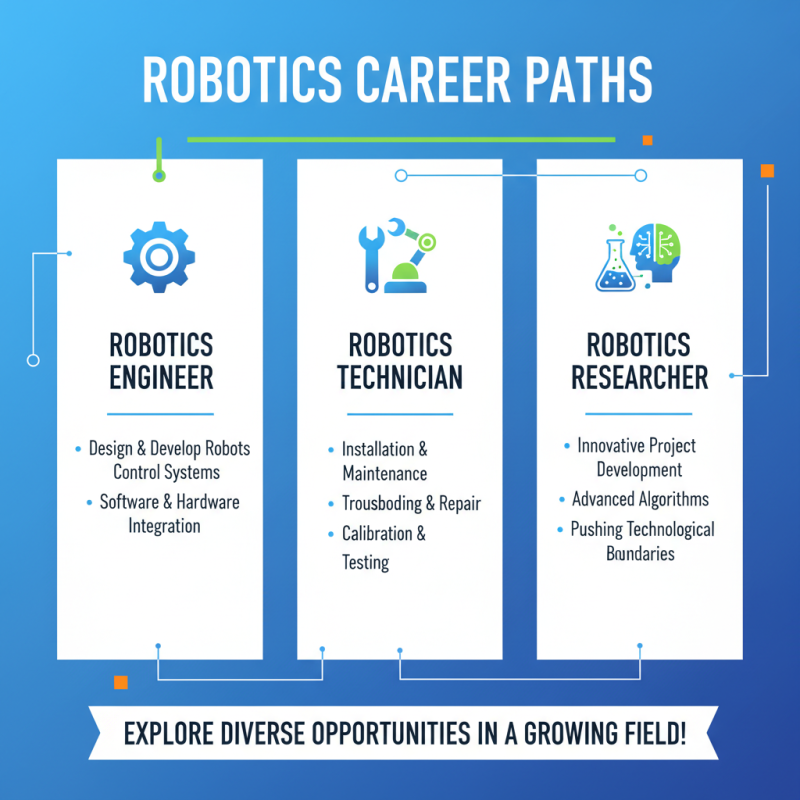
Robotics is a rapidly evolving field, offering diverse career opportunities. Students and enthusiasts can explore many roles. These include robotics engineer, technician, and researcher. Each role has unique requirements and skills. Engineers focus on design and programming. Technicians often handle maintenance and repair. Researchers work on innovative projects, pushing boundaries.
The industry sees applications in healthcare, manufacturing, and automation. Robotics professionals might develop assistive devices for the elderly. Others create robots for assembly lines, enhancing efficiency. Working in this field can be rewarding yet challenging. Rapid technology changes mean continuous learning is essential. Some find this constant evolution overwhelming.
Networking is vital in robotics. Join local clubs or online communities to meet peers. Seek mentorship opportunities as guidance can illuminate paths. Reflect on your skills and interests frequently. Not everyone will flourish in all areas of robotics. Identify where your strengths lie and focus there. Embrace the uncertainty; it’s part of the journey.