How to Optimize Energy Management for Cost Savings?
In today's competitive landscape, effective Energy Management is crucial for businesses seeking cost savings. Experts suggest that optimizing energy usage not only reduces expenses but also enhances sustainability. "Energy efficiency is not just an option; it's a necessity," says Dr. Richard P. Green, a prominent figure in the Energy Management field. His words highlight the urgency of the situation.
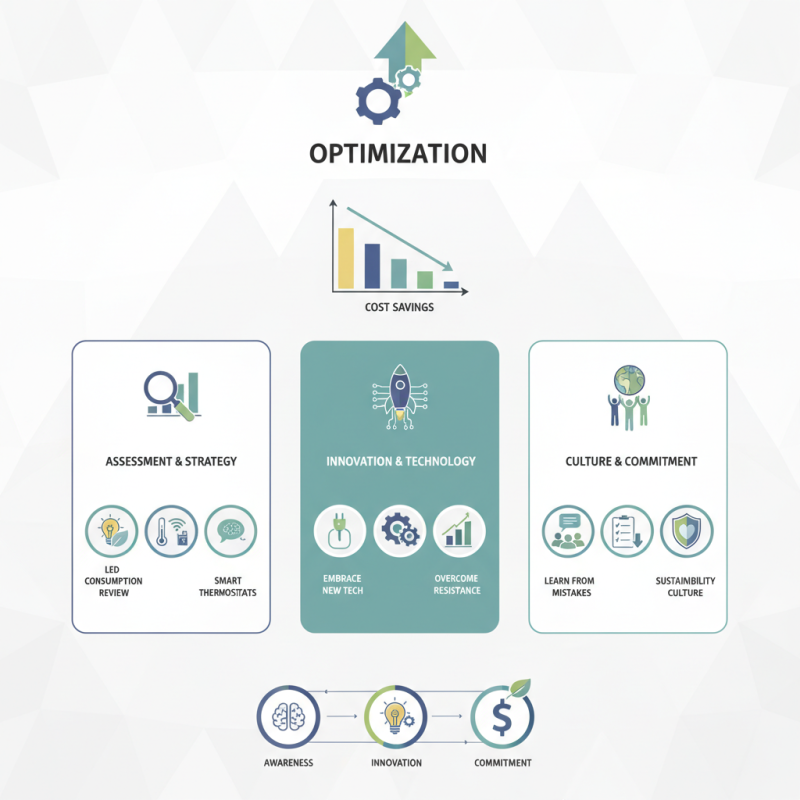
Implementing strategic energy management practices can lead to significant savings. Companies often overlook basic measures like upgrading to LED lighting or investing in smart thermostats. These initiatives pay off over time, yet many hesitate due to initial costs. Embracing new technologies is essential. However, businesses must recognize that change can be daunting. Resistance often stems from a lack of understanding.
Energy Management involves continuous assessment and adjustments. Businesses should regularly review their energy consumption patterns and seek feedback from employees. This approach fosters a culture of sustainability. Acknowledging mistakes along the way helps in refining strategies. Ultimately, effective energy management combines awareness, innovation, and commitment to achieve lasting financial benefits.
Strategies for Reducing Energy Consumption in Commercial Buildings
Energy efficiency is crucial in commercial buildings. According to the U.S. Department of Energy, commercial buildings account for approximately 19% of total energy consumption in the nation. With rising energy costs, optimizing energy management becomes central to financial sustainability. Implementing effective energy-saving strategies can drastically reduce overhead costs.
One proven strategy involves retrofitting building systems. Upgrading HVAC systems to high-efficiency models can yield energy savings of 20-30%. Additionally, smart thermostats help optimize heating and cooling, tailoring usage to occupancy patterns. Lighting also plays a significant role. The U.S. Environmental Protection Agency states that switching to LED lighting can cut energy consumption by at least 75%. Moreover, integrating occupancy sensors can ensure lights are only on when needed.
Engaging employees in energy-saving initiatives can enhance outcomes. Studies show that buildings with active energy awareness programs achieve 10-15% additional savings. Yet, the challenge lies in sustaining these efforts long-term. Organizations may face resistance or lack clear communication about energy goals. Regularly analyzing energy usage and sharing findings can effectively address these issues. Energy management is a continuous process that requires attention and commitment from all levels of a business.
Utilizing Smart Grid Technology for Enhanced Energy Efficiency
Smart grid technology is revolutionizing energy management. It enhances efficiency by enabling real-time monitoring. This allows users to track energy usage closely. With detailed data, businesses can make informed decisions. They can adjust consumption patterns based on usage trends.
Furthermore, smart grids facilitate renewable energy integration. Solar panels and wind turbines can connect seamlessly. Users can store excess energy or sell it back to the grid. This not only reduces costs but also promotes sustainability. Energy management becomes more resilient and adaptive.
Challenges remain despite these advancements. The initial setup costs can be high. Not every area has access to updated technology. Knowledge gaps may hinder effective implementation. It's crucial for businesses to weigh these factors carefully as they optimize energy management for cost savings.
Implementing Renewable Energy Sources for Long-term Cost Reduction
Renewable energy sources are key for long-term cost reduction. Implementing solar panels or wind turbines can significantly lower energy expenses. According to the International Renewable Energy Agency (IRENA), the cost of solar energy has dropped by 89% since 2009. This trend makes renewables a viable alternative to fossil fuels.
Various studies suggest that businesses can save up to 70% on energy costs with proper integration of renewable technologies. For instance, a report by BloombergNEF indicates that global renewable energy investment reached $303 billion in 2020, reflecting a growing commitment to sustainable practices. However, transitioning to these sources requires upfront investment, which may appear daunting.
Challenges exist in energy storage and grid integration. The intermittent nature of renewable energy can complicate management. As of late 2020, energy storage systems cost about $150 per kilowatt-hour, according to the U.S. Department of Energy. Addressing these hurdles is crucial for maximizing the benefits of renewable energy while ensuring reliability and efficiency. It's an area for ongoing improvement in energy strategy and planning.
Analyzing Energy Usage Data to Identify Areas for Improvement
Analyzing energy usage data is crucial for improving energy management. Organizations can begin by collecting detailed data on energy consumption. This includes monitoring usage patterns, peak hours, and overall consumption trends. Employing energy management software can enhance data accuracy. It provides insights into how and when energy is used.
Identifying areas for improvement involves looking for anomalies in energy usage. For example, an unexpected spike can signal issues like faulty equipment or inefficient processes. The data should also reveal which areas consume the most energy. This allows organizations to prioritize interventions. They might find that lighting or HVAC systems consume more resources than anticipated.
It’s important to approach findings with a critical mindset. Not every solution will yield immediate benefits. Organizations may have to experiment with different strategies to find what works. Regularly revisiting the data ensures that management strategies evolve. It helps organizations remain adaptable to changing circumstances.
Best Practices for Employee Engagement in Energy Management Programs
Engaging employees in energy management programs can significantly improve cost savings. According to a 2021 report by the International Energy Agency, organizations employing strong employee engagement strategies can reduce energy costs by up to 20%. This means that fostering a culture of awareness can yield tangible results. When employees are involved, they contribute innovative ideas and identify wasteful practices.
Consider implementing training sessions. These can educate staff about energy efficiency. Simple actions, such as turning off lights in unused areas, can collectively lead to significant savings. A study from the U.S. Department of Energy highlights that organizations with trained employees saw an average energy savings of 15%. This commitment to training reflects a dedicated approach to energy management.
Feedback mechanisms also play a vital role. Encouraging employees to share their insights on energy consumption can uncover hidden inefficiencies. Regular updates on energy performance can motivate staff to actively participate. Research from the Energy Efficiency Council indicates that companies with ongoing communication channels achieve 25% greater energy efficiency. Engaged employees not only drive savings but also enhance the overall workplace environment, fostering a sense of ownership in energy initiatives.
How to Optimize Energy Management for Cost Savings?
| Practice | Description | Estimated Savings (%) | Employee Engagement Level |
| Energy Audits | Conducting regular energy audits to identify inefficiencies. | 10-15% | High |
| Employee Training | Training employees on best practices for energy efficiency. | 5-10% | Medium |
| Incentive Programs | Offering incentives for departments that reduce energy consumption. | 8-12% | High |
| Smart Technology Implementation | Using smart meters and automation systems to control energy usage. | 15-25% | High |
| Behavioral Change Campaigns | Campaigns aimed at changing employee behavior towards energy use. | 5-10% | Medium |