How to Rethink Robot Design for a Smarter Future?
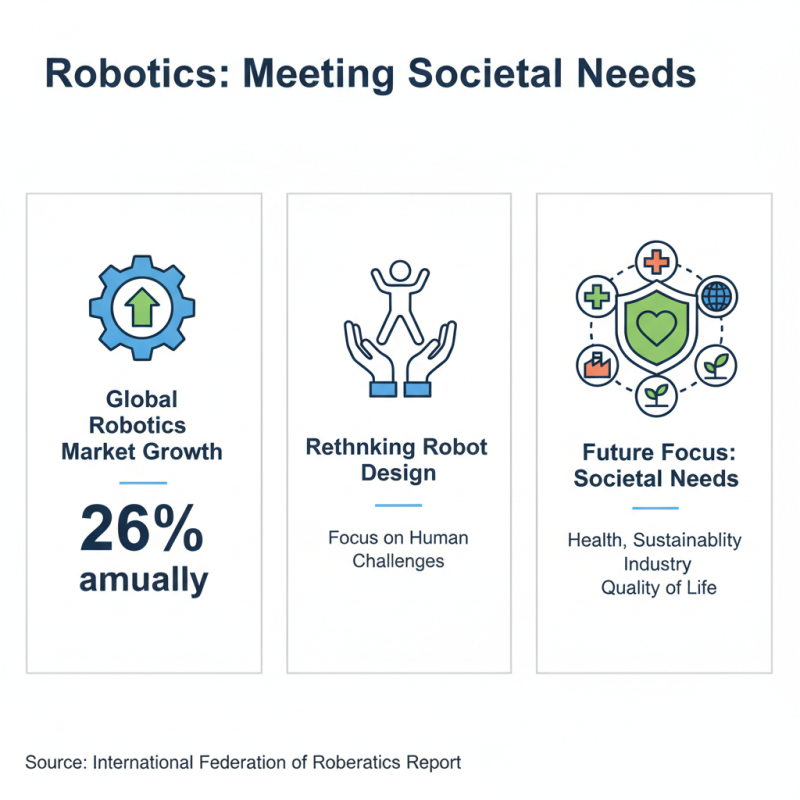
The rapid evolution of robotics calls for a critical need to rethink robot design. The global robotics market is projected to reach $189.36 billion by 2027, according to a report by Fortune Business Insights. This growth highlights the urgency of innovative designs to meet diverse demands across industries.
Current robots often lack adaptability and user-friendliness. Many functions are overly complicated for average users, leading to frustration. We must examine existing limitations in technology, functionality, and user experience. Reports indicate that 27% of companies cite usability challenges as a barrier to robot adoption.
Rethinking robot design should focus on enhancing collaboration with humans. Designers must prioritize intuitive interfaces and flexible systems. Furthermore, ethical considerations are crucial. The integration of AI raises concerns about decision-making processes in robots. Addressing these imperfections calls for a reimagined approach to robotics that aligns with human values and societal needs.
Rethinking Robot Design: Understanding Current Limitations
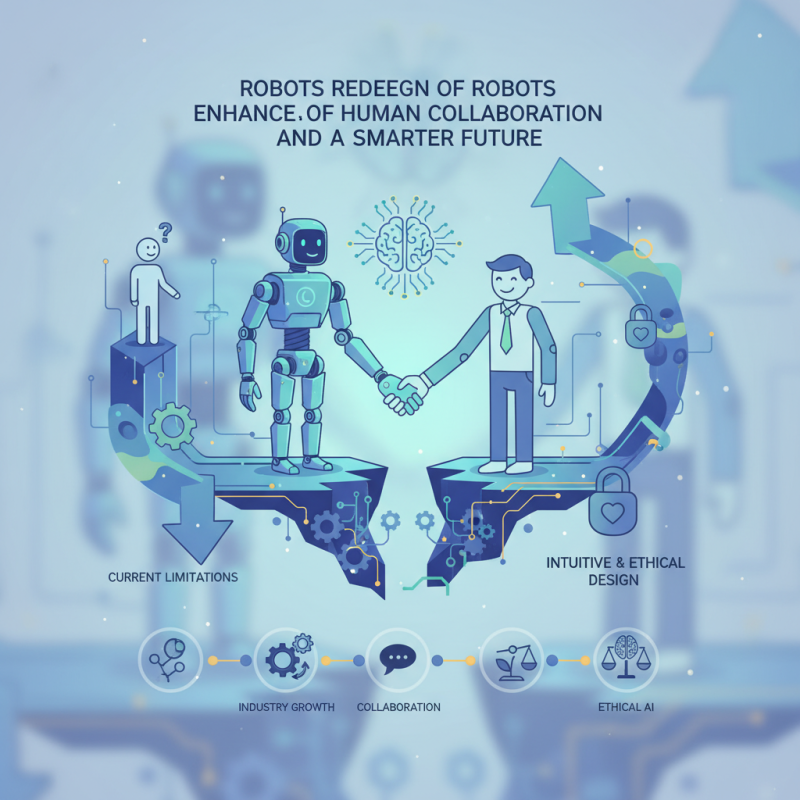
In today's fast-paced world, robotics is evolving rapidly. However, many designs lack adaptability in varied environments. Robots often struggle with tasks that require nuanced understanding. For instance, a robot may fail to recognize subtle differences in objects. This limitation hinders their usefulness in real-world applications.
Moreover, current robot designs often rely heavily on predefined algorithms. They miss the context of their surroundings, leading to inefficient performance. A robot might misinterpret human emotions or gestures, making interactions awkward. Enhancing sensory perception could bridge this gap. Integrating advanced AI could allow robots to learn and adapt better.
Addressing these limitations is crucial for future designs. Designers must think beyond aesthetics. They should focus on creating robots capable of understanding complex human needs. Incorporating feedback loops into their design may enhance adaptability. It's essential for robots to become more intuitive and user-friendly to thrive in diverse settings.
Rethinking Robot Design: Performance vs. Versatility
This chart illustrates the trade-off between performance and versatility in robot design based on various research studies. The data demonstrates how advancements in robotics are focusing on enhancing versatility while maintaining essential performance metrics.
Integrating Artificial Intelligence for Enhanced Functionality
Rethinking robot design is essential for a smarter future. Integrating artificial intelligence can enhance functionality significantly. AI provides robots with the ability to learn and adapt. This adaptability makes them more efficient in their tasks.
Tips for integrating AI include understanding user needs. Identify specific problems that robots can solve. Collect data for training AI models. The more data, the better the AI can perform. Testing is vital. Real-world scenarios often reveal flaws. Tackle these challenges head-on for improvements.
Moreover, simplicity in design is crucial. Robots should be user-friendly, avoiding complex interfaces. Overcomplicated designs can confuse users. Involve end-users in the design process. Gather feedback continuously. This helps in creating robots that truly serve their purpose. Remember, smart robots should simplify our lives, not complicate them.
How to Rethink Robot Design for a Smarter Future?
| Design Dimension |
Importance Level |
AI Integration Potential |
User Experience Impact |
| Mobility |
High |
Advanced |
Essential |
| Sensor Integration |
Critical |
High |
Significant |
| Communication |
Moderate |
Medium |
Moderate |
| Autonomy |
High |
Very High |
Essential |
| Adaptability |
High |
High |
Strong |
Emphasizing User-Centric Design in Robotic Systems
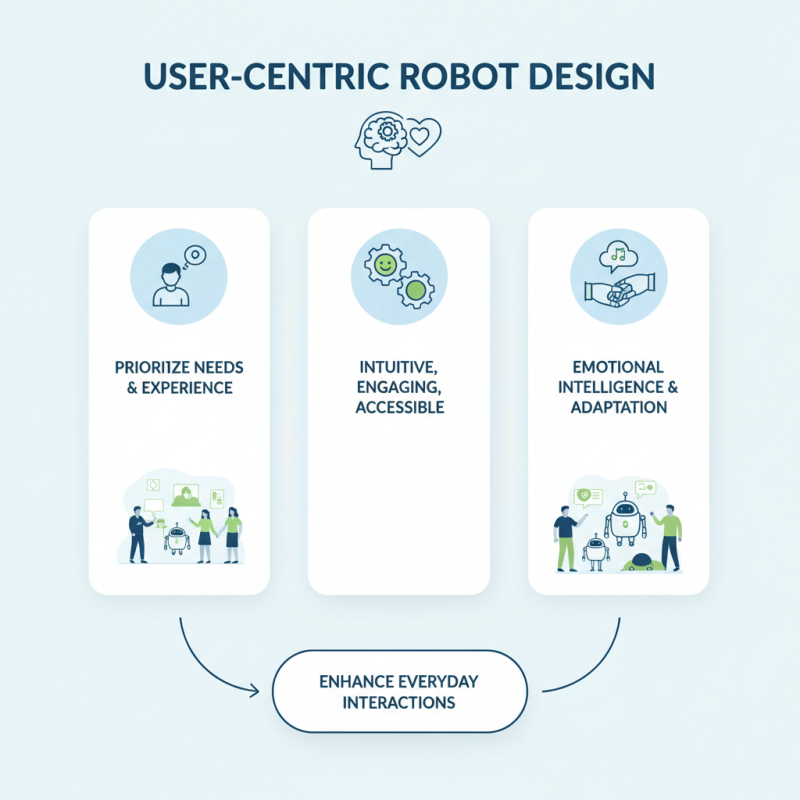
Rethinking robot design requires a shift towards user-centric approaches. It’s essential to prioritize the needs and experiences of people. Effective robotic systems should be intuitive, engaging, and accessible. Imagine a robot that understands your emotions and adapts to your preferences. This could enhance everyday interactions.
User feedback is crucial. Designers must listen to real users. It's not enough to create technology that looks good on paper. Observing how people interact with robots reveals valuable insights. Too often, designers overlook usability. Complex interfaces frustrate users and reduce effectiveness. Simplicity is key.
Moreover, involving users in the design process is vital. Prototypes should be tested by a diverse group. Diverse feedback highlights different needs and potential flaws. A robot should feel like a companion, not a burden. Mistakes in design can lead to distrust. Reflection on user experiences will guide towards smarter, more inclusive robots.
Materials and Sustainability: Building Eco-Friendly Robots
The future of robotics is intertwined with materials and sustainability. Approximately 30% of industrial waste comes from manufacturing processes. Eco-friendly robots could drastically cut this figure. By using biodegradable materials, we can minimize environmental impact. Additionally, these robots could be made from recycled materials, helping to reduce the plastic crisis.
Current research shows that sustainable robotics can be economically viable. A report indicated that green materials could lower production costs by up to 15%. However, the challenge remains in sourcing materials that maintain performance and durability. The balance between eco-friendliness and functionality is delicate. Innovations in bio-based plastics could be a solution, but their performance under stress needs thorough testing.
Furthermore, the energy consumption of robots plays a significant role in sustainability. Robots consume a significant amount of power during their lifecycle. Transitioning to renewable energy sources is essential. Yet, integrating solar or kinetic energy into robot design is still a work in progress. It raises questions about reliability and efficiency. Are we ready to embrace these changes? The road to eco-friendly robots is paved with both potential and hurdles.