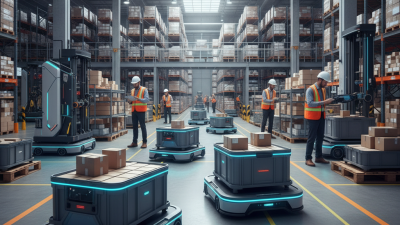
Why Are Robot AMRs Transforming Modern Warehousing and Logistics?
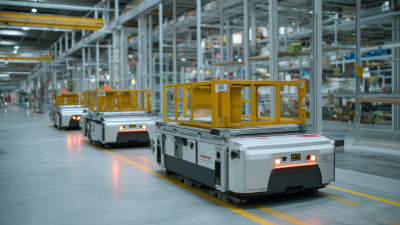
The logistics industry is experiencing a significant shift with the rise of robot AMRs (Autonomous Mobile Robots). These innovative machines are redefining warehousing operations, minimizing labor costs and improving efficiency. According to a report by Research and Markets, the AMR market is projected to grow from $3.3 billion in 2021 to $10.4 billion by 2026, reflecting a CAGR of 25.5%. This growth highlights the increasing reliance on automation to meet the demands of rapid order fulfillment.
Robot AMRs excel in performing repetitive tasks, which reduces human error. They navigate complex environments and optimize warehouse layouts. However, the integration of these robots is not without challenges. For instance, workers may feel threatened by automation, leading to resistance. Furthermore, training staff to work alongside AMRs requires a cultural shift in established logistics practices.
Despite these hurdles, the potential benefits of robot AMRs cannot be ignored. They enhance productivity and accuracy in inventory management, crucial in today's fast-paced e-commerce landscape. As companies seek a competitive edge, adopting robot AMRs becomes not just an option, but a strategic necessity. This evolution raises questions about workforce adaptation and the future of logistics, compelling the industry to continuously reflect on balance and growth.
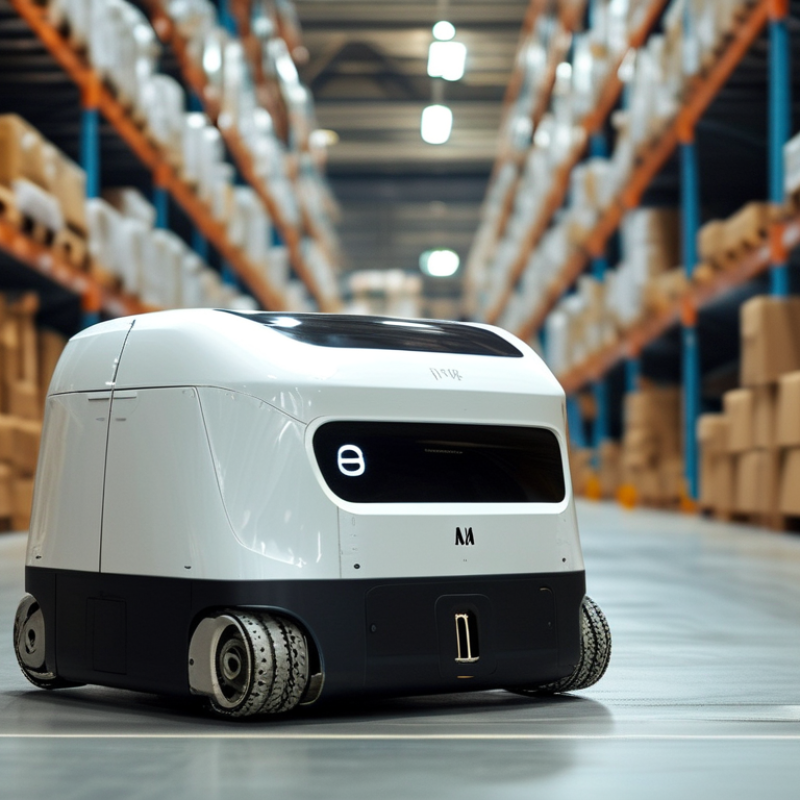
The Evolution of Autonomous Mobile Robots in Supply Chain Management
The rise of autonomous mobile robots (AMRs) in supply chain management represents a significant shift. According to a recent report by McKinsey, the adoption rate of AMRs in logistics is projected to double every year through 2025. This rapid growth is driven by the increasing demand for efficiency and accuracy in modern warehouses.
AMRs streamline operations by automating mundane tasks. They transport goods, pick items, and manage inventory with precision. The ability of these robots to work 24/7 without fatigue allows companies to maximize their resources. Yet, challenges remain. Integration with existing systems can be complex. Additionally, workforce concerns about job displacement are prevalent. It's crucial for companies to address these apprehensions transparently.
Data from an ABI Research report highlights that AMRs could cut labor costs in logistics by as much as 40%. However, without proper training and support, human workers may struggle to adapt to this changing environment. The evolution of AMRs is not just about technology. It's also about how businesses navigate the human element of this transformation.
Key Technologies Driving AMR Adoption in Warehousing
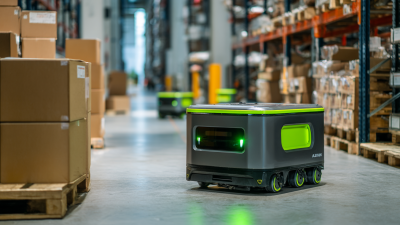
Automated Mobile Robots (AMRs) are reshaping the landscape of warehousing and logistics. One of the primary technologies fueling their adoption is advanced sensor technology. These sensors help AMRs navigate complex warehouse environments. They use lidar and cameras to detect obstacles and plan optimal paths. This capability enhances efficiency and reduces the likelihood of accidents.
Another significant technology is artificial intelligence (AI). AI algorithms enable AMRs to learn from their surroundings. Over time, they improve their navigation skills and adapt to new challenges. This learning ability makes them increasingly effective. However, reliance on AI raises concerns. The technology can sometimes misinterpret data, leading to errors. It requires constant refinement and oversight.
Integrating AMRs with warehouse management systems (WMS) is vital. This integration allows real-time communication between robots and human workers. It streamlines processes and enhances productivity. Despite these benefits, there are hurdles to overcome. Many warehouses face challenges in integrating these systems smoothly. Transitioning to a fully automated system can create disturbances in operations. A careful approach is needed for successful implementation.
Benefits of Implementing AMRs in Modern Logistics Operations
Automated Mobile Robots (AMRs) are increasingly becoming indispensable in logistics operations. These machines enhance efficiency and accuracy in warehousing tasks. AMRs navigate through spaces autonomously, moving goods swiftly and safely. They minimize human error, ensuring a higher standard of order fulfillment.
Implementing AMRs reduces labor costs significantly. They can work around the clock, unlike human staff. This constant operation can lead to increased productivity levels. While AMRs can handle repetitive tasks with ease, they sometimes struggle with unexpected obstacles.
Facilities must ensure their layouts are optimized for smooth robot navigation. Proper training for human staff is essential to maximize the benefits of AMRs.
Furthermore, the integration of AMRs into existing operations requires careful planning. Not all systems are compatible, which can lead to operational hiccups. Adopting AMRs is not a cure-all solution. Companies must continually assess and adapt their strategies. This ensures a harmonious balance between human workers and robotic systems. As logistics evolve, so too will the role of AMRs in shaping effective workflows.
Challenges and Considerations in Using Robot AMRs
The introduction of Autonomous Mobile Robots (AMRs) in warehousing has brought both excitement and challenges. While these robots enhance efficiency, their integration into existing systems is not without difficulties. Understanding these challenges is essential for successful implementation.
One major challenge is the need for extensive initial investment. Companies often underestimate the upfront costs associated with AMRs, including infrastructure modifications and software integration. Furthermore, there are operational hurdles. For instance, AMRs may struggle in dynamic environments with changing layouts or unmarked obstacles. These factors can lead to delays and malfunctioning, raising concerns about reliability.
Workforce adaptation is another significant consideration. Employees may resist the introduction of robots, fearing job displacement. Training is crucial. Staff must learn to work alongside AMRs, adapting to new workflows. This adjustment period can be lengthy, and progress is not always smooth. Companies must invest in ongoing support and education to facilitate this transition effectively. Therefore, a careful assessment of these challenges is vital before fully embracing AMRs in warehousing and logistics.
Why Are Robot AMRs Transforming Modern Warehousing and Logistics? - Challenges and Considerations in Using Robot AMRs
| Dimension |
Description |
Impact |
| Increased Efficiency |
Robots can work continuously without breaks, significantly improving workflow. |
Up to 30% increase in order fulfillment rates. |
| Cost Reduction |
Reduces labor costs over time and minimizes human error. |
Potential savings of 20-25% in operational costs. |
| Space Utilization |
AMRs can navigate tight spaces effectively, optimizing warehouse layouts. |
Improved space utilization by up to 15%. |
| Flexibility |
Easily reconfigurable for various tasks and adaptable to changing environments. |
Increased operational flexibility by over 40%. |
| Integration Challenges |
Requires integration with existing systems, which can be complex. |
Potential delays in deployment phases, impacting initial ROI. |
| Workforce Resistance |
Employees may resist the adoption of robots due to fear of job displacement. |
Can slow down implementation and require significant change management. |
Future Trends in Warehousing and the Role of AMRs
Automated Mobile Robots (AMRs) are reshaping warehousing and logistics by enhancing efficiency and productivity. These robots navigate autonomously, moving goods seamlessly through complex environments. Their ability to reduce human labor in repetitive tasks increases safety and minimizes errors. Many warehouses now rely on AMRs for inventory management and order fulfillment.
Future trends indicate that AMRs will become even more advanced. Innovations in artificial intelligence will allow them to learn from their surroundings. This development could lead to smarter decision-making in real time. However, challenges exist. The integration of AMRs may cause disruptions in existing workflows. Additionally, there remains a need for trained personnel to oversee operations.
As AMRs evolve, the industry must address potential job displacement concerns. Human workers will need to adapt to new roles focused on oversight and maintenance. The balance between automation and the human touch in logistics remains crucial. While AMRs promise efficiency, a thoughtful approach is required to ensure sustainable growth for all involved.