What is Robotics and Automation and How Does it Work?
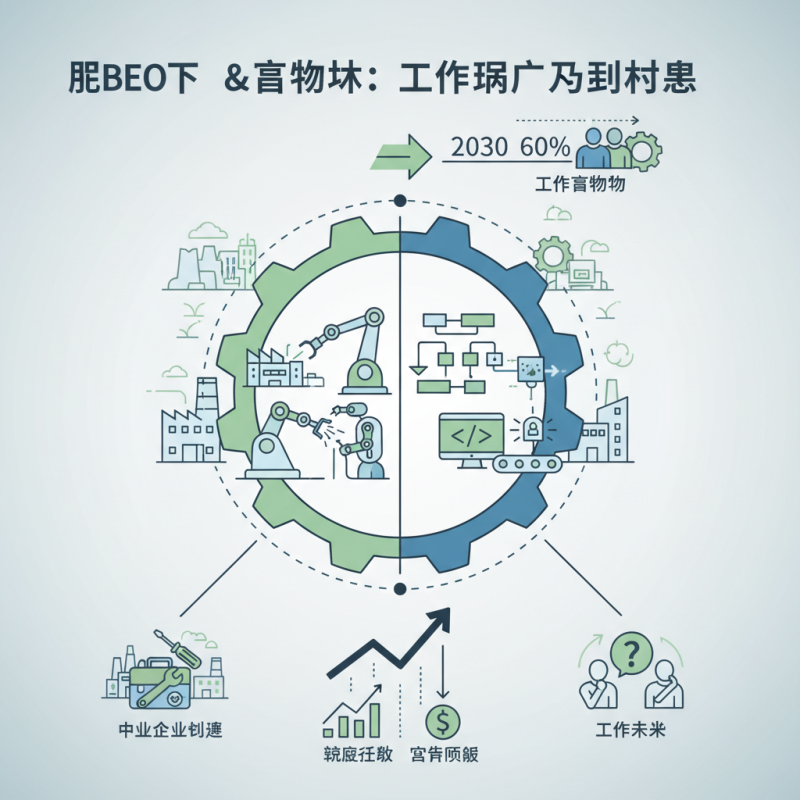
The fields of robotics and automation have transformed industries worldwide. According to a recent McKinsey report, over 60% of jobs could be automated by 2030. This shift reflects a growing reliance on robotics and automation to enhance efficiency and reduce costs.
As businesses seek competitive advantages, they increasingly invest in advanced technologies. In manufacturing, robots can work tirelessly, performing tasks with precision. This allows human workers to focus on complex problem-solving. However, the rapid adoption of these technologies raises questions about job displacement and the future of work.
Despite the benefits, challenges persist. Not every organization is ready for this transition. Smaller companies may struggle with implementation costs. Moreover, ethical considerations around workforce impacts cannot be overlooked. The conversation around robotics and automation is evolving, and society must reflect on these changes.
What is Robotics?
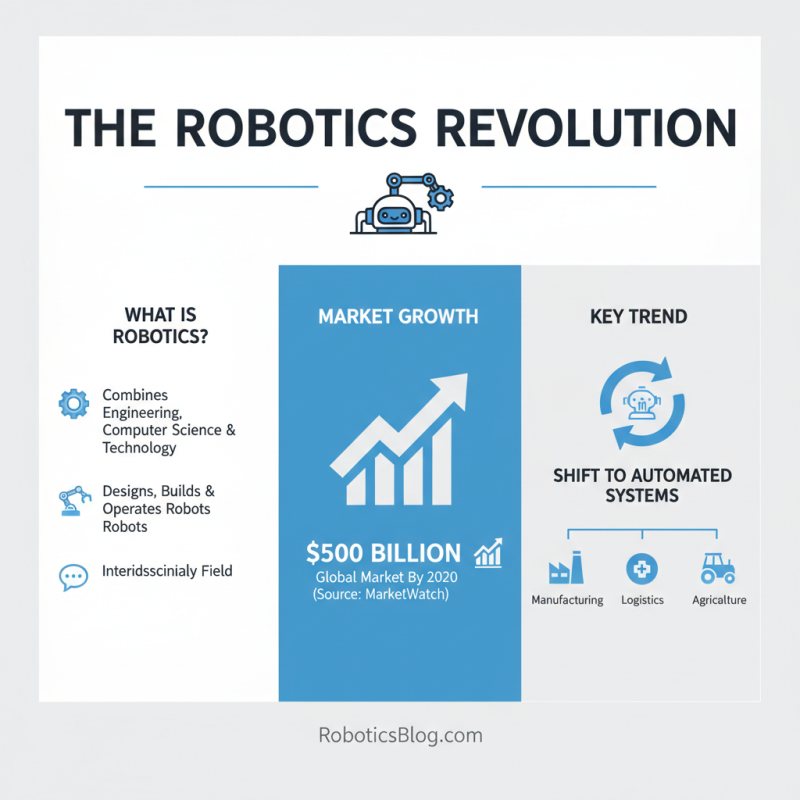
Robotics is an interdisciplinary field that combines engineering, computer science, and technology. It focuses on designing, building, and operating robots. According to a report by MarketWatch, the global robotics market is expected to reach $500 billion by 2030. This rapid growth signifies a shift toward automated systems across various industries.
Many applications of robotics exist today. In manufacturing, robots perform repetitive tasks better than human workers. They increase efficiency and reduce errors. However, this can lead to job displacement, sparking debates about labor and technology. A study by PwC forecasts that up to 30% of jobs in the U.S. could be automated by 2030. This raises questions about the future of work.
Moreover, robotics is not flawless. Robots face challenges in complex and unpredictable environments. For example, they struggle with delicate tasks like assembling small parts. These limitations highlight the need for ongoing development. As we advance, ethical considerations must also be part of the conversation. Balancing innovation with responsibility is crucial for a sustainable robotic future.
The Evolution of Robotics Technology
The evolution of robotics technology has transformed industries. Early robots were simple machines. They performed basic tasks on production lines. These machines were limited in function. They lacked the ability to adapt.
As technology advanced, robotics became more sophisticated. Innovations in artificial intelligence have allowed robots to learn. They can now perform complex tasks, such as assembling electronics. However, challenges remain. Many robots still struggle with unpredictable environments. They need constant programming to tackle new situations.
Modern robotics often includes collaboration with humans. This creates a unique dynamic in workplaces. Workers and robots must communicate effectively. Despite the progress, concerns about job displacement arise. Society must address these issues. Balancing automation and available jobs will require careful thought. The path forward in robotics is both exciting and uncertain.
What is Robotics and Automation and How Does it Work? - The Evolution of Robotics Technology
| Dimension |
Description |
Examples |
Benefits |
| Types of Robots |
Robots designed for specific tasks, including industrial, service, and medical robots. |
Industrial robots, drones, robotic surgical systems |
Increased efficiency, precision, and safety |
| Automation Techniques |
Methods used in automating processes, including machine learning and AI. |
Automated assembly lines, predictive maintenance |
Cost savings, reduced human error |
| Applications |
Various sectors where robotics and automation are implemented. |
Manufacturing, healthcare, agriculture, logistics |
Improved productivity, flexibility, and scalability |
| Future Trends |
Predictions about advancements in robotics and automation. |
Collaboration between humans and robots, advancements in AI |
More intelligent systems, enhanced human-robot interaction |
Understanding Automation: Definitions and Applications
Automation transforms the way we live and work. It refers to using technology to perform tasks without human intervention. With automation, processes become faster, more efficient, and often more accurate. For example, in manufacturing, robots assemble products. These machines work tirelessly, enhancing productivity. Yet, this shift can lead to job displacement, sparking debates about employment in the future.
Many sectors benefit from automation. In agriculture, automated systems monitor crop conditions. Drones assess fields in minutes. This immediate feedback helps farmers make better decisions. However, reliance on technology raises concerns. What if systems fail? What happens when unexpected variables arise? These questions deserve attention as we navigate an increasingly automated world.
Understanding automation helps us apply it wisely. We must consider its impact on human interaction and creativity. While machines can perform routine tasks, they lack emotional intelligence. The balance between automation and human input is crucial. As we embrace these technologies, reflection on our choices is necessary. It’s important to ensure that automation enhances life rather than diminishes it.
Robotics and Automation Applications Across Industries
Components of Robotic Systems and Their Functions
Robotic systems are complex machines designed to perform tasks with precision and efficiency. At the core of these systems are several critical components, each serving unique functions.
Sensors are vital for gathering data about the environment. They help robots navigate and interact safely.
Actuators, on the other hand, are responsible for movement. They convert energy into motion, enabling tasks such as lifting or moving objects.
Moreover, the control systems tie everything together. These systems process the information from sensors and direct the actuators accordingly. Without effective coordination, a robot may fail to function as intended.
In many cases, robots are limited by their programming and design. They may struggle with unexpected scenarios or adapt poorly to dynamic environments.
Tips: When designing a robotic system, always consider the limitations of each component. Failure to do so can result in inefficiencies. Testing in various environments is crucial. It helps recognize potential challenges the robot may face. Engage your team in brainstorming sessions. They can provide valuable insights that enhance overall system performance.
How Robotics and Automation Work Together in Industry
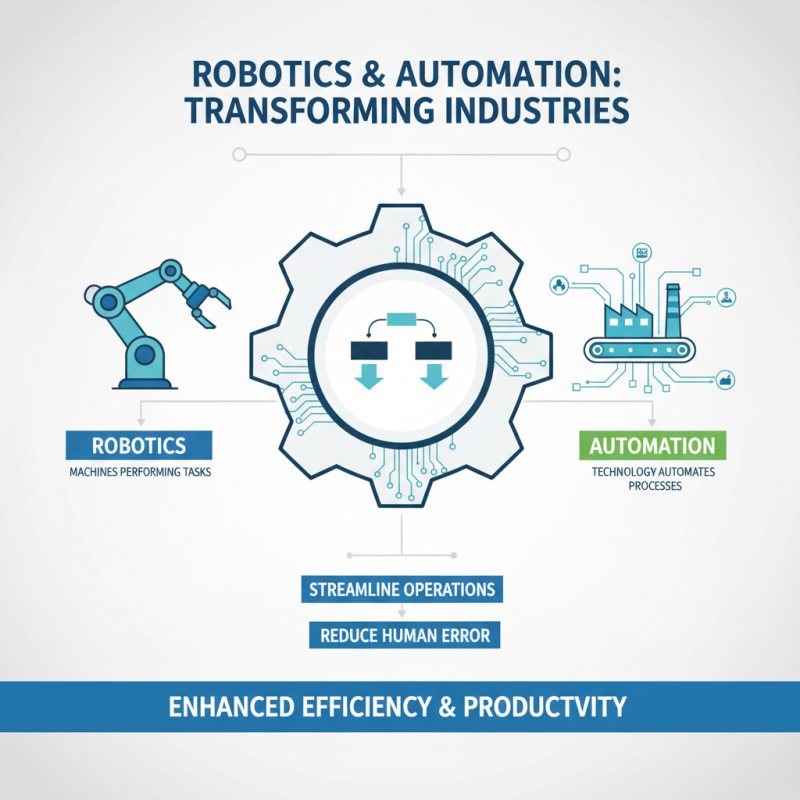
Robotics and automation are transforming industries. They work hand in hand to enhance efficiency. Robotics involves machines performing tasks. Automation applies technology to automate processes. Together, they streamline operations and reduce human error.
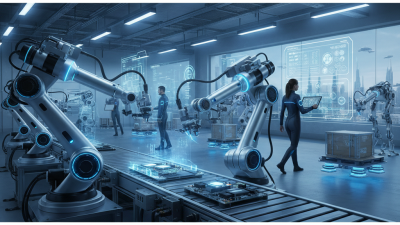
In factories, robots assemble products with precision. They can work alongside humans, increasing productivity. Automation reduces routine tasks, allowing workers to focus on creative solutions. However, challenges arise. Not all jobs are safe from automation. Some roles may vanish, leading to workforce concerns.
Integration is not always seamless. Systems may face compatibility issues. Workers need training to adapt to new technologies. Sometimes, outdated processes hinder advancements. Despite these hurdles, the synergy of robotics and automation drives innovation in industry.