Top Robotics Careers to Explore in 2025 and Future Job Trends
As the world rapidly advances towards a future heavily influenced by automation and artificial intelligence, the field of robotics is poised to offer a plethora of exciting career opportunities. In 2025 and beyond, the demand for skilled professionals in robotics careers is expected to surge, driven by innovations in various industries such as healthcare, manufacturing, and logistics. According to Dr. Emily Zhang, a leading expert in robotics and AI, "The evolution of robotics will not only redefine traditional job roles but will also create entirely new avenues for career growth."
This transformation presents a unique opportunity for aspiring engineers, programmers, and technologists to immerse themselves in a field characterized by limitless potential. As robotics technologies become increasingly integrated into daily operations, professionals in this sector will need to adapt to emerging trends while harnessing the power of machine learning, data analytics, and human-robot collaboration.
By exploring the top robotics careers available in 2025, individuals can better prepare to meet the evolving job landscape. With a commitment to continuous learning and an innovative mindset, future professionals will be well-equipped to thrive in an industry that is not only reshaping the way we work but also enhancing the way we live.

Top Robotics Careers in 2025: Overview and Potential Opportunities
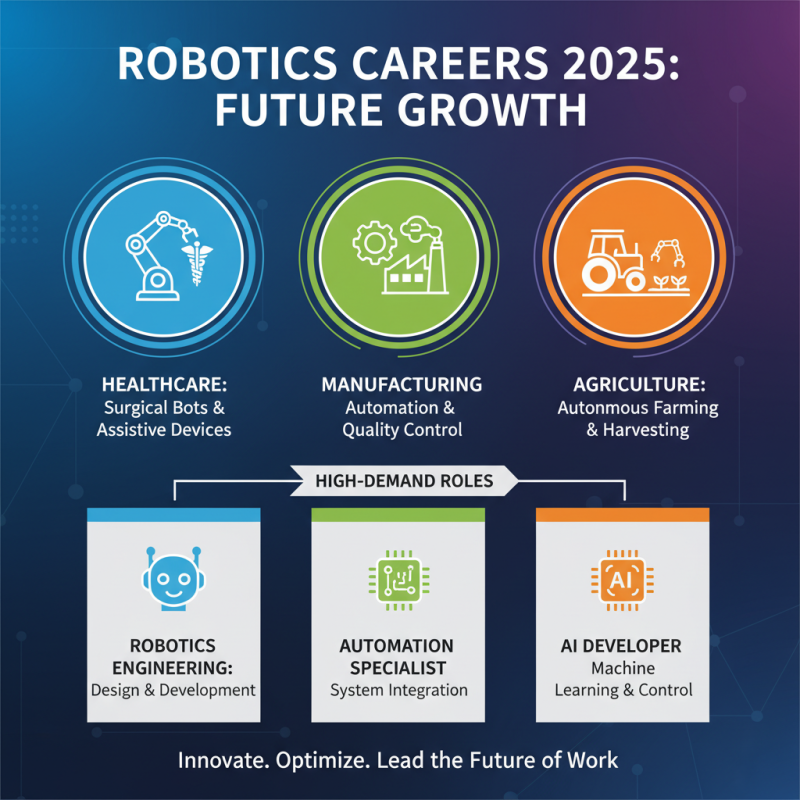
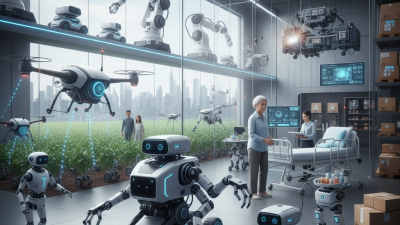
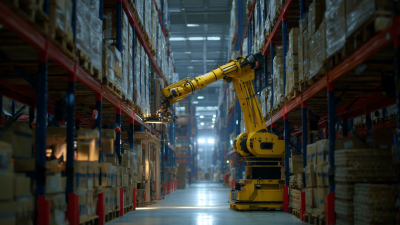
As we look towards 2025, the robotics field is poised for remarkable growth, presenting a wealth of career opportunities across various sectors. Industries such as healthcare, manufacturing, and agriculture are increasingly integrating robotic solutions to enhance efficiency and productivity. Careers in robotics engineering, automation, and AI development will be in high demand as organizations seek professionals who can design, develop, and implement advanced robotic systems to perform complex tasks, improve operational processes, and ultimately drive innovation.
Additionally, the rise of collaborative robots, or cobots, is reshaping the workspace, creating new roles focused on human-robot interaction and integration. Positions such as robotics technician, systems integrator, and robotics software engineer will become critical in ensuring that these machines function seamlessly alongside human workers. Furthermore, research and development in robotics are expanding, leading to roles in academia and private research institutions, where professionals can contribute to pioneering advancements in this exciting field. The future landscape of robotics careers presents a dynamic environment for those equipped with the necessary skills and a passion for technological innovation.
Key Skills Required for Robotics Professionals in the Future Workforce
As the robotics industry continues to evolve, the demand for skilled professionals is rapidly increasing. To thrive in this dynamic field, aspiring robotics engineers and technicians must cultivate a diverse set of key skills. Proficiency in programming languages, particularly those related to artificial intelligence and machine learning, is essential. This expertise enables professionals to develop advanced algorithms that power robotic systems and enhance their functionality. Additionally, a solid foundation in control systems and algorithm design is crucial for the effective management of robotic movements and behaviors.
Moreover, soft skills are becoming increasingly important in robotics careers. Effective communication and teamwork are vital as professionals often collaborate in interdisciplinary teams to bring complex projects to fruition. Problem-solving and critical thinking skills allow robotics experts to tackle unexpected challenges that arise during the design and implementation phases. As the industry progresses, adaptability and a willingness to continuously learn will also be significant assets, as emerging technologies will frequently reshape the landscape of robotics. Ultimately, a balanced combination of technical and interpersonal skills will position future robotics professionals for success in their careers.
Emerging Technologies Shaping Robotics Careers and Job Functions
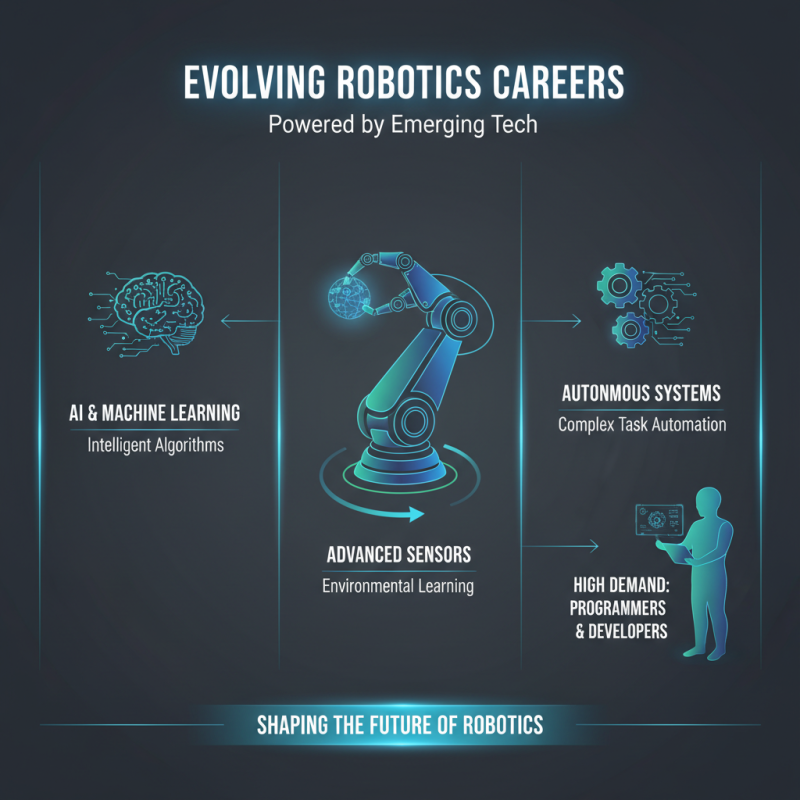
The landscape of robotics careers is continually evolving, driven by advancements in emerging technologies. Innovations such as artificial intelligence, machine learning, and advanced sensors are fundamentally reshaping job functions within the field. As robots become more autonomous and capable of performing complex tasks, professionals skilled in programming these systems will find themselves in high demand. Engineers and developers focused on creating intelligent algorithms that enable robots to learn from their environment are essential to pushing the boundaries of what these machines can achieve.
Furthermore, the integration of robotics with Internet of Things (IoT) technologies is paving the way for new job opportunities. As industries leverage interconnected systems for enhanced productivity, robotics specialists will be needed to design and maintain networks of smart machines. This trend highlights the importance of cross-disciplinary skills, combining knowledge in robotics, IT, and data analysis. As a result, the future workforce will need to adapt, acquiring expertise in diverse areas to effectively address the multifaceted challenges posed by a rapidly changing technological ecosystem.
The Impact of Automation on Job Market Trends in Robotics
The rapid advancement of automation technology is reshaping the robotics job market in unprecedented ways. As robots become more integrated into various industries, from manufacturing to healthcare, the demand for skilled professionals in robotics is surging. This trend indicates that jobs focused on design, programming, and maintenance of robotic systems are not only increasing but evolving. With automation handling repetitive and hazardous tasks, roles that emphasize creativity, problem-solving, and human-machine collaboration are becoming essential.
Moreover, the impact of automation is redefining existing job roles. Many positions will require a hybrid skill set; for instance, engineers may need to incorporate programming knowledge with traditional mechanical skills. Additionally, there will be a growing need for specialists who can analyze data generated by robotics systems to optimize efficiency and performance. As companies strive to leverage automation effectively, they will seek out professionals with expertise in artificial intelligence, machine learning, and robotics integration, signaling a shift in educational pathways and training programs to accommodate these future workforce needs.
Top Robotics Careers and Job Market Trends in 2025
Future Job Trends: Adapting to the Evolving Robotics Landscape
As the robotics industry rapidly evolves, understanding future job trends is crucial for aspiring professionals. According to a recent report by the International Federation of Robotics, the global market for industrial robots is projected to reach $100 billion by 2025. This surge is primarily driven by advancements in artificial intelligence and machine learning, which are enabling robots to perform more complex tasks, thereby increasing their adoption across various sectors. This growth indicates a rising demand for skilled workers proficient in programming, robotics engineering, and systems integration.
Moreover, the World Economic Forum forecasts that by 2025, automation could displace around 85 million jobs, but it is also expected to create 97 million new roles focused on technology and robotics. These new positions will require not only technical skills but also a strong emphasis on interdisciplinary knowledge, combining expertise in robotics with fields like data analytics, cybersecurity, and human-robot interaction. Consequently, educational institutions and training programs must adapt their curricula to better prepare students for this dynamic environment, emphasizing practical experience in robotics and related technologies as students gear up for careers that will shape the future.