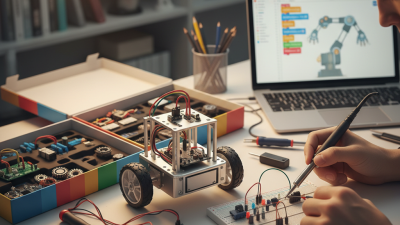
Why Robotics Lab is Essential for Future Innovations in Technology
The rapid advancement of technology in recent years has ushered in a new era of innovation, heavily driven by the field of robotics. As we move forward, a robotics lab has emerged as a pivotal space where creativity meets engineering, enabling researchers and innovators to explore cutting-edge ideas and develop groundbreaking solutions. This specialized laboratory serves not only as a hub for prototyping and testing robotic systems but also fosters collaboration among diverse disciplines, merging computer science, mechanical engineering, and artificial intelligence.
In the quest for future technologies, the role of a robotics lab is vital. It provides a controlled environment that supports experimentation with different algorithms, sensors, and actuators, facilitating the development of robots that can perform complex tasks autonomously. The innovations arising from these labs have the potential to revolutionize various sectors, including healthcare, manufacturing, and environmental monitoring. By nurturing a culture of experimentation and interdisciplinary teamwork, robotics labs are instrumental in shaping the future of technology and addressing some of the most pressing challenges faced by society today. As we embrace the possibilities of tomorrow, the importance of robotics labs in fostering innovation cannot be overstated.

The Role of Robotics Labs in Technological Advancements
Robotics labs play a pivotal role in driving technological advancements by providing a structured environment for experimentation and innovation. These labs serve as incubators for cutting-edge research, where interdisciplinary teams collaborate to explore new concepts and develop solutions to complex problems. By leveraging advanced tools and technologies, robotics labs enable researchers to prototype and test their ideas rapidly, accelerating the journey from concept to application.
Moreover, robotics labs foster an ecosystem of learning and collaboration that encourages the sharing of knowledge and expertise. By bringing together engineers, computer scientists, designers, and domain experts, these labs create a dynamic environment where diverse perspectives can lead to breakthrough innovations. As society faces increasingly complex challenges, the work conducted in robotics labs is essential in developing the next generation of technologies that enhance quality of life, improve efficiency, and create new opportunities across various sectors. Through their commitment to advancing robotics and automation, these labs are critical to shaping the future of technology.
Key Innovations Driven by Robotics Research
The field of robotics research stands at the forefront of technological innovation, enabling a plethora of advancements across various sectors. One significant innovation driven by robotics is the development of autonomous systems that enhance operational efficiency in industries such as manufacturing, logistics, and healthcare. These systems, equipped with advanced sensors and artificial intelligence, can perform tasks ranging from assembly line operations to patient monitoring, minimizing human error and increasing productivity.
Another crucial area of innovation is the integration of robotics with artificial intelligence and machine learning, which fosters smarter robots capable of learning from their environments and adapting to changes seamlessly. This capability is transforming not only industrial applications but also everyday life, including the development of personal assistant robots that assist in household tasks and provide companionship. As robotics labs continue to push the boundaries of engineering and technology, they are likely to pioneer breakthroughs that will redefine how we interact with machines and each other in the future.
Why Robotics Lab is Essential for Future Innovations in Technology - Key Innovations Driven by Robotics Research
| Innovation |
Description |
Impact Area |
Research Focus |
| Autonomous Vehicles |
Vehicles that can navigate and drive without human intervention. |
Transportation |
Machine Learning, Sensor Technology |
| Robotic Process Automation |
Use of robots to automate repetitive tasks in business processes. |
Business Efficiency |
AI, Workflow Automation |
| Drones for Delivery |
Unmanned aerial vehicles used to deliver goods directly to consumers. |
Logistics |
Navigation Algorithms, Robotics |
| Healthcare Robotics |
Robots used for surgical assistance, rehabilitation, and elderly care. |
Healthcare |
Robot-Assisted Surgery, AI |
| Industrial Automation |
Use of robotics in manufacturing to improve productivity and safety. |
Manufacturing |
Control Systems, Robotics |
Interdisciplinary Collaboration within Robotics Labs
Interdisciplinary collaboration within robotics labs is vital for driving future innovations in technology. These labs are often melting pots of diverse expertise, bringing together engineers, computer scientists, biologists, and psychologists, among others, to tackle complex challenges. According to a recent report by the International Federation of Robotics, the global robotics market is expected to reach $210 billion by 2025, emphasizing the critical role of interdisciplinary teamwork in harnessing various skills necessary for creating sophisticated robotic systems.
Collaboration encourages the cross-pollination of ideas, leading to innovative solutions that might not emerge within siloed disciplines. For example, advancements in machine learning have drastically improved robotic perception, thanks to insights from neuroscience about how biological systems process information. A study from the Massachusetts Institute of Technology highlights that teams incorporating members from different fields produce more patents and publications, showcasing the intrinsic value of diverse perspectives in robotics labs.
Tips for facilitating effective interdisciplinary collaboration include encouraging open communication among team members and integrating regular brainstorming sessions. Providing shared spaces for collaboration can also foster spontaneous discussion and idea-sharing. By facilitating an environment where diverse minds can come together, robotics labs not only spark innovation but also ensure that the developments made are well-rounded and multifaceted, paving the way for the future of technology.
The Impact of Robotics on Future Industry Standards
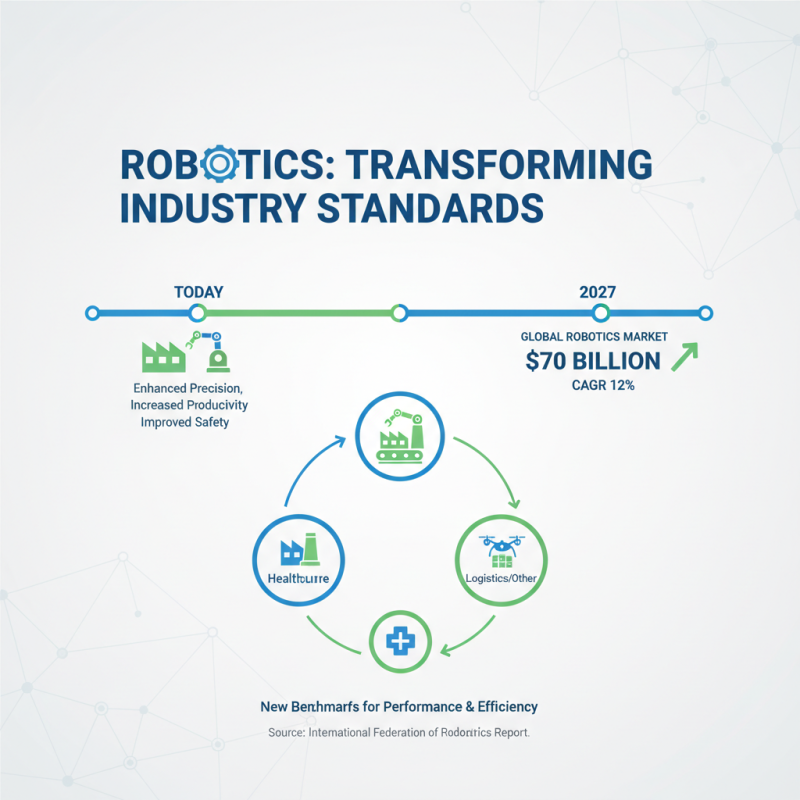
Robotics is poised to transform industry standards across various sectors, influencing everything from manufacturing to healthcare. According to a recent report by the International Federation of Robotics, the global market for industrial robots is expected to reach $70 billion by 2027, reflecting a compound annual growth rate of 12%. This surge in automation is not merely about reducing costs; it's about enhancing precision, increasing productivity, and improving safety in work environments. As companies integrate advanced robotics into their operations, they set new benchmarks for performance and efficiency that other businesses will be compelled to follow.
Moreover, the advent of collaborative robots, or cobots, has further expanded the scope of robotics in industry. A study from McKinsey indicates that by 2030, automation could boost global labor productivity by 0.8% to 1.4% annually, leading to significant economic gains. Industries that leverage robotic systems will not only enhance their operational capabilities but also create new standards for workforce training and integration, as employees will need to adapt to working alongside intelligent machines. This evolving landscape underscores the importance of robotics labs, which serve as incubators for innovation and testing new technologies that will define future industry norms.
Investing in Robotics Labs for Sustainable Technological Growth
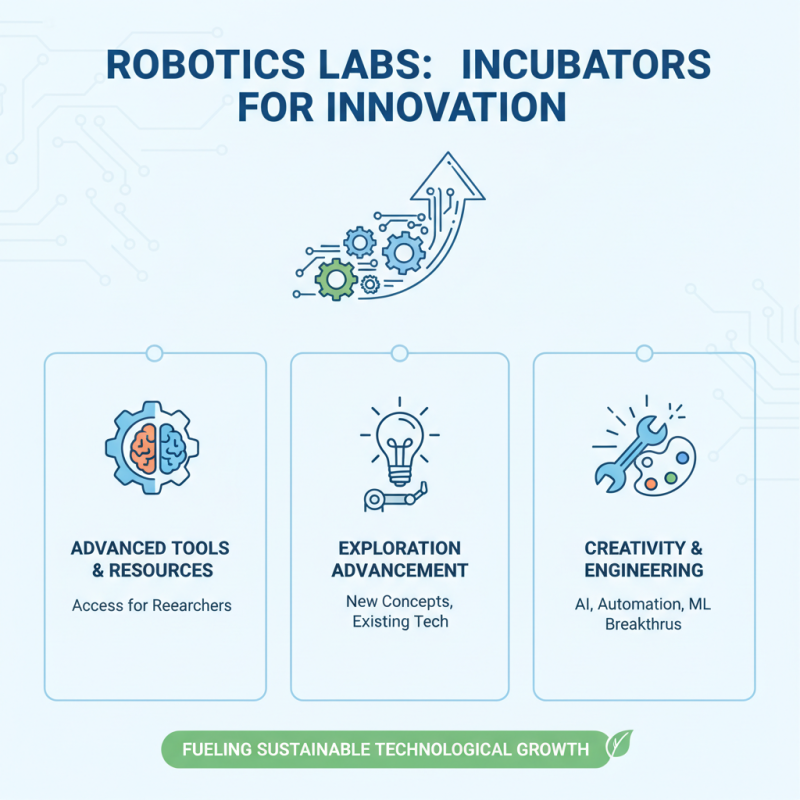
Investing in robotics labs is crucial for sustainable technological growth, as these facilities serve as incubators for innovation. By providing researchers and developers with access to advanced tools and resources, robotics labs enable the exploration of new concepts and the advancement of existing technologies. This fosters an environment where creativity and engineering merge, leading to groundbreaking developments in automation, artificial intelligence, and machine learning.
Moreover, robotics labs play a vital role in education and workforce development. They not only enhance technical skills among students and professionals but also encourage interdisciplinary collaboration. Engineers, scientists, and computer programmers come together to address complex challenges, leading to a well-rounded understanding of robotics and its applications. By engaging the next generation in hands-on experiences within these labs, we promote a skilled workforce that is equipped to tackle future technological advancements with confidence and expertise.