Top Tips for Implementing Autonomous Logistics Solutions?
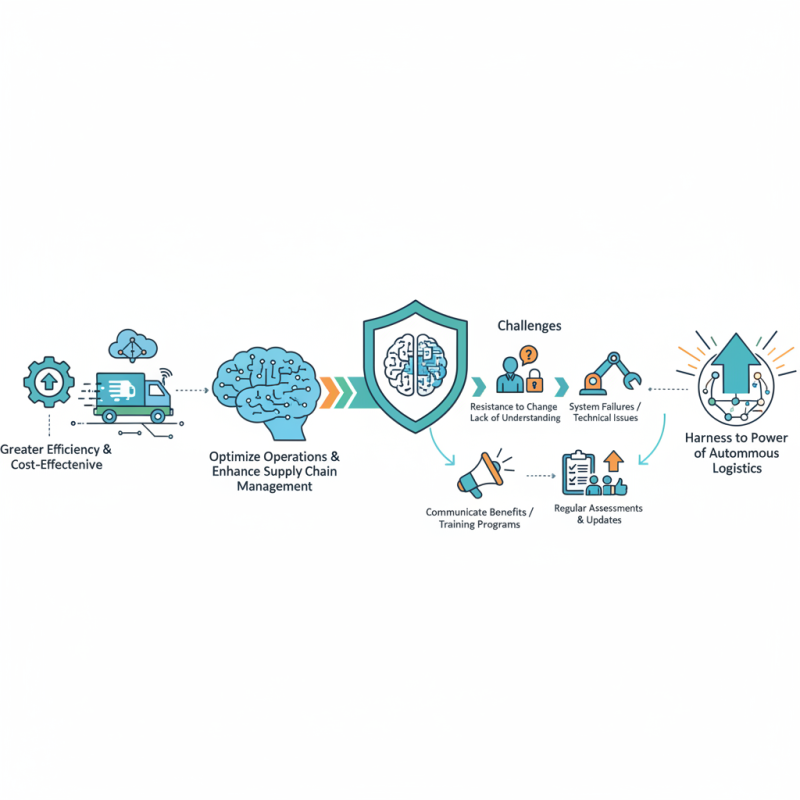
The logistics industry is rapidly evolving, driven by the need for greater efficiency and cost-effectiveness. Autonomous logistics offers a promising solution. By using advanced technology, businesses can optimize operations and enhance supply chain management. However, implementing these systems poses challenges that must be addressed.
Many companies find it difficult to transition to autonomous logistics. Resistance to change often stems from a lack of understanding. Employees may feel threatened by automation or unprepared for new technologies. It is essential for leaders to communicate the benefits clearly. Training programs can help ease these concerns, fostering a culture of acceptance.
The potential of autonomous logistics is significant. However, it is crucial to remain vigilant about the pitfalls. System failures or technical issues can disrupt operations. Regular assessments and updates are necessary. By addressing these concerns, organizations can truly harness the power of autonomous logistics.
Understanding Autonomous Logistics Solutions and Their Importance
Autonomous logistics solutions are transforming supply chains. These systems can streamline processes, reduce costs, and improve delivery times. They rely on various technologies, including AI, machine learning, and robotics. Understanding their impact is essential for businesses aiming to stay competitive.
Implementing these solutions requires careful planning. Employees must adapt to new technologies. Training sessions can help bridge knowledge gaps. However, companies often overlook this, leading to resistance. It’s crucial to encourage a culture that embraces change. Monitoring performance metrics is also vital. This helps in identifying areas for improvement.
While gains can be significant, challenges exist. For example, system failures can halt operations. Organizations should have contingency plans in place. Additionally, data security must be prioritized. Many businesses underestimate the importance of protecting sensitive information. An effective implementation strategy balances risks and rewards, making autonomous logistics a worthwhile investment.
Evaluating Infrastructure Requirements for Autonomous Logistics Implementation
Implementing autonomous logistics solutions requires careful evaluation of infrastructure requirements. Robust network systems, for example, are essential for supporting real-time data exchange. According to a report from McKinsey, companies investing in digital technologies can increase productivity by up to 20%. Yet, many organizations struggle to adapt their existing infrastructure for advanced automation.
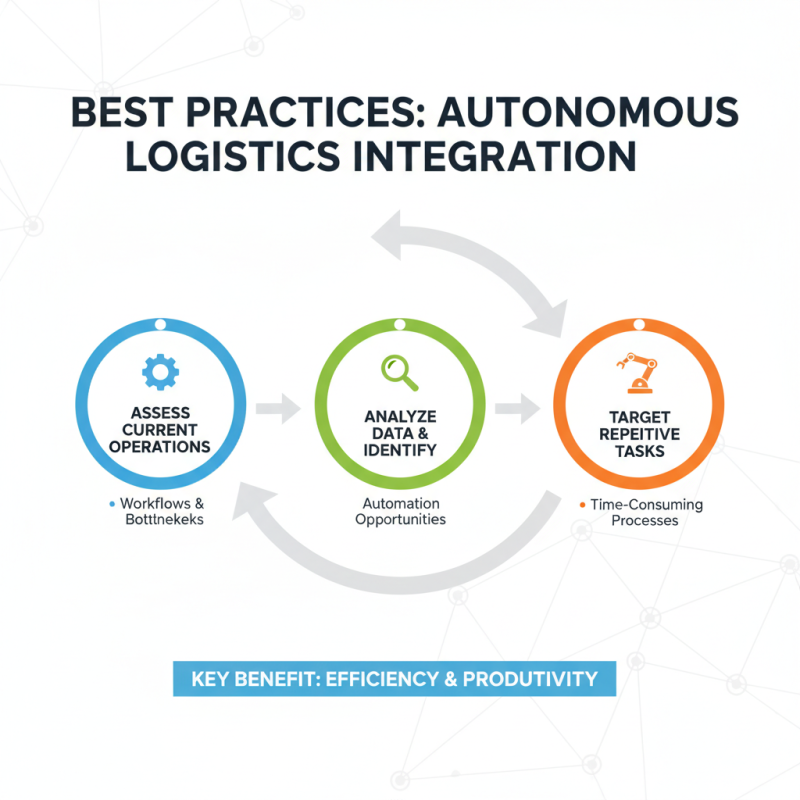
The layout of warehouses, transportation routes, and connectivity plays a crucial role. A study by the Logistics Management Group found that around 70% of logistics professionals see bottlenecks in their current structures. These inefficiencies hinder the adoption of autonomous technologies. To integrate such solutions, existing workflows must be assessed critically. Simple adjustments can lead to significant performance improvements.
Flexibility in design is another important aspect. Modular systems allow for gradual upgrades, reducing the risk of obsolescence. Research indicates that environments supporting modular changes can improve scalability by 30%. Reflecting on these factors can guide better preparation for future demands. Companies must remain aware of potential pitfalls as they transition to more automated systems.
Key Technologies Driving Autonomous Logistics Innovations
In the realm of logistics, autonomous solutions are reshaping operations. Key technologies are enabling these innovations. Autonomous vehicles, for instance, rely on advanced sensors and AI to navigate efficiently. According to a recent market report, the global autonomous logistics market is projected to reach $89 billion by 2028, highlighting significant investment in this area.
Robotic process automation (RPA) is another critical technology driving efficiency. It automates repetitive tasks, allowing human staff to focus on complex issues. A study by McKinsey reveals that RPA can boost productivity by up to 30%. However, implementing RPA can face challenges, such as integration with existing systems. Companies must balance automation with human oversight to mitigate potential errors.
Artificial intelligence enhances decision-making capabilities in logistics. AI analyzes vast datasets to optimize routes and inventory management. However, depending on algorithms without human intuition can be risky. Companies must ensure there's a balance between automated insights and human expertise. The interplay of these technologies presents both opportunities and challenges for logistics firms navigating the future landscape.
Measuring Success and ROI in Autonomous Logistics Initiatives
Measuring the success of autonomous logistics initiatives is crucial for organizations looking to optimize their operations. Key performance indicators (KPIs) should be established early in the process. These might include delivery accuracy, cost reductions, and time savings. For instance, tracking the percentage of on-time deliveries helps gauge efficiency. If discrepancies arise, it’s essential to analyze the root causes.
A clear return on investment (ROI) metric is also vital. Companies should assess both direct and indirect benefits of adopting autonomous systems. Direct savings can stem from reduced labor costs. Indirect benefits often include improved customer satisfaction and enhanced operational resilience. Gathering data over time can help paint a complete picture of the impact these solutions have.
It’s important not to overlook potential challenges. Implementing complex technologies may initially lead to unforeseen expenses. Companies may also need to invest in employee training and system integration. Reflecting on these aspects helps create a more comprehensive strategy. Regularly reviewing progress ensures that goals remain aligned with business objectives.