Top 10 Most Innovative AMR Robots Transforming Industries Today?
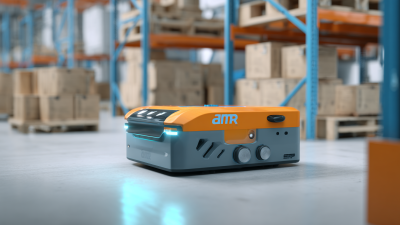
In today’s fast-paced world, industries are experiencing a revolution. AMR robots, or Autonomous Mobile Robots, are at the forefront of this transformation. They are reshaping how businesses operate and innovate. These machines navigate complex environments with impressive agility. They transport goods, streamline processes, and enhance productivity.
Consider warehouses that previously relied on manual labor. Now, robotic systems are making tasks more efficient. The role of AMR robots cannot be underestimated. They reduce human error but also demand careful oversight. As they become common, there are challenges in integration and maintenance.
Innovation does not come without obstacles. Businesses must adapt to new technologies while managing operational risks. It’s vital to evaluate how these robots impact human roles. The future of work will likely involve collaboration between humans and AMR robots. This dynamic will shape industries profoundly. Embracing this change is essential for survival in a competitive market.
Key Features of AMR Robots Driving Industry Innovation
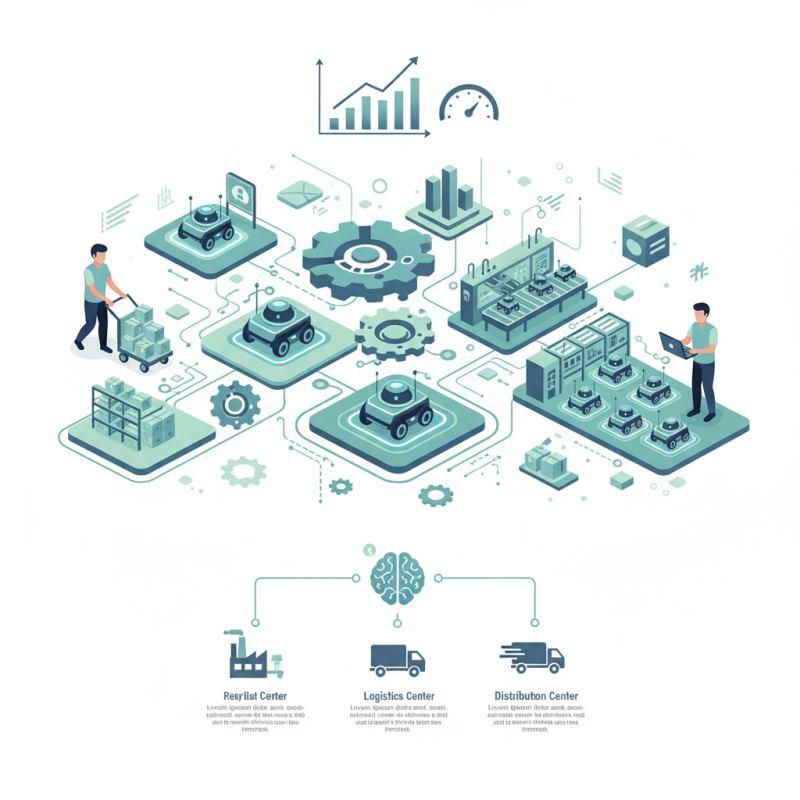
Autonomous Mobile Robots (AMRs) are reshaping various industries today. Their key features play a crucial role in driving innovation. One significant aspect is navigation. Advanced sensors allow AMRs to map their environment efficiently. They can avoid obstacles and adapt to changing surroundings. This capability ensures they work efficiently alongside human workers.
Another important feature is scalability. AMRs can easily adjust to different workloads. Businesses can deploy multiple units without significant infrastructural changes. The flexibility in operation can enhance productivity during peak times. However, there are challenges. Integration with existing systems can be complex. Not all facilities are equipped to handle advanced technologies seamlessly.
Data analysis is another critical function of AMRs. They collect data in real-time, providing valuable insights. Businesses can optimize processes based on this data. Still, relying too much on automation can raise concerns. Human oversight remains essential to ensure safety and efficiency. Balancing automation and human input continues to be a reflective challenge for industries adopting AMR technologies.
Applications of AMR Robots Across Various Sectors
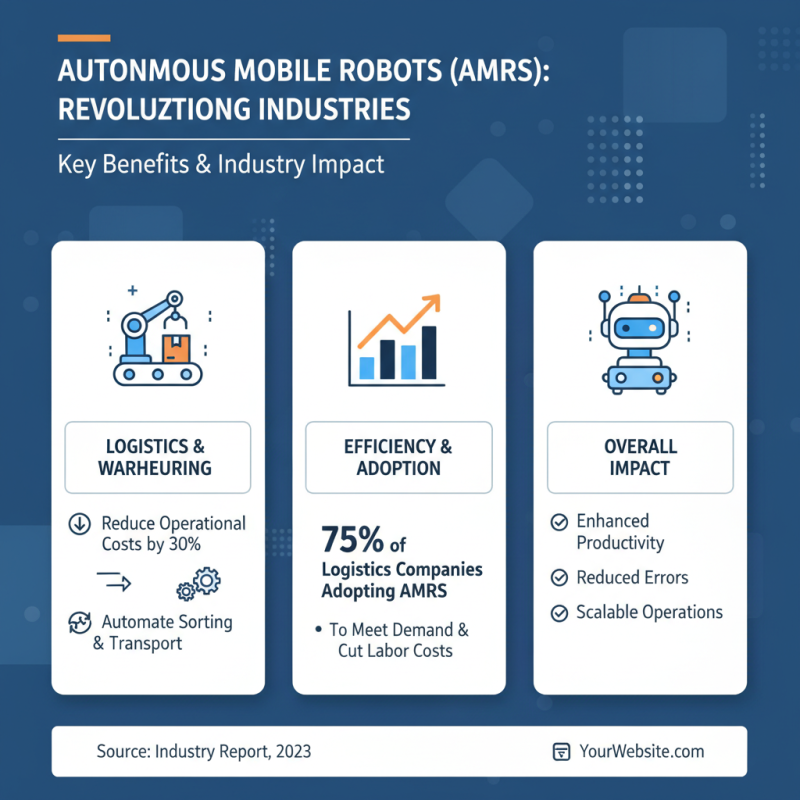
Autonomous Mobile Robots (AMRs) are making significant strides across various industries. In logistics and warehousing, these robots can reduce operational costs by up to 30%. They enhance efficiency by automating tasks like sorting and transporting goods. A recent report indicated that 75% of logistics companies are adopting AMRs to meet rising demand and reduce labor costs.
Manufacturing is another sector experiencing transformation through AMRs. They can work alongside human operators, optimizing production lines. Data shows that integrating AMRs into manufacturing can lead to a 20% increase in productivity. However, this shift raises questions about workforce adaptation. Employees may need new skills to work with these advanced robots.
Healthcare is also embracing AMR technology. Hospitals use these robots for delivering supplies and medications, thus freeing up staff time for patient care. A study found that AMR implementation resulted in a 15% decrease in human error during supply deliveries. Still, challenges remain. Reliability and maintenance of these robots can be inconsistent, requiring continuous monitoring. As AMR technology advances, reflection on its impact is crucial.
Impact of AMR Robots on Operational Efficiency and Productivity
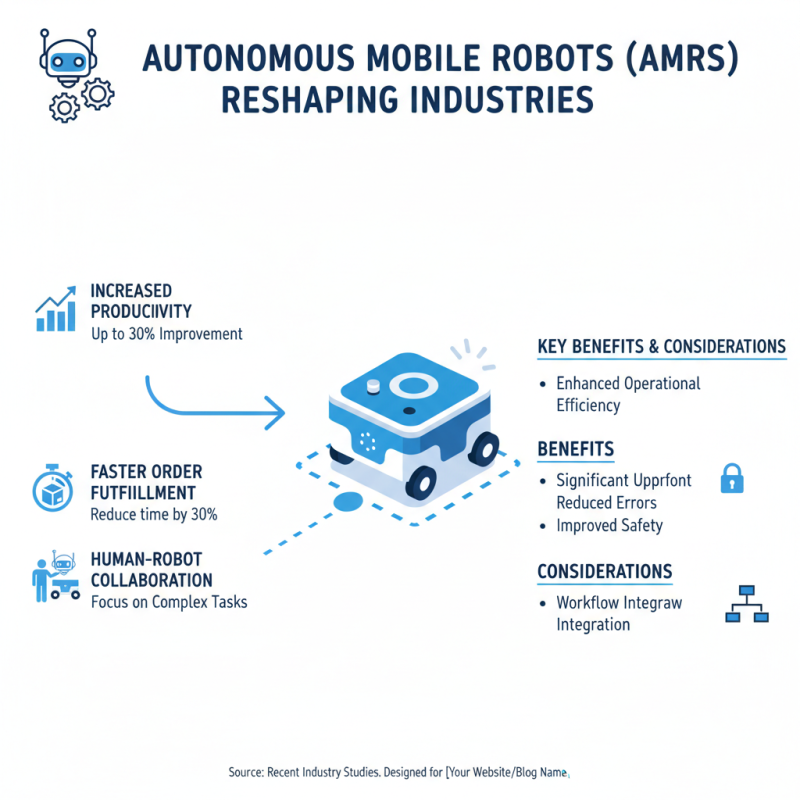
Autonomous Mobile Robots (AMR) are reshaping industries by enhancing operational efficiency. Recent studies show that AMR systems can improve productivity by up to 30%. These robots effectively handle routine tasks, allowing human workers to focus on more complex challenges. In warehouses, these robots can reduce order fulfillment time by nearly 30%. However, implementing AMR solutions often requires significant upfront investment and a place in workflows.
The impact of AMR robots on labor dynamics is profound. While they streamline processes, they also raise questions about workforce displacement. Many employees may need retraining for a more tech-focused environment. Reports indicate that companies integrating AMRs observe average cost savings of about 40%. Yet, the transition is not always seamless. Misalignment between human workers and robots is common, leading to operational hiccups. Clear communication and workforce adaptation are key challenges to address in this technology leap.
Despite these challenges, the potential benefits are substantial. Companies can achieve a competitive edge through improved efficiency and reduced errors. Real-time data from AMRs can also inform better decision-making. It's crucial to consider the human aspect as industries adopt these technologies. Balancing innovation with employee needs will define the next era of productivity.
Challenges and Limitations in the Adoption of AMR Technology
The adoption of Autonomous Mobile Robots (AMRs) is not without its challenges. One significant hurdle is the initial cost. Businesses often hesitate due to high upfront investments in technology and infrastructure. This concern is particularly prevalent in small and medium enterprises. They may struggle to justify the expenses against projected returns.
Furthermore, integration into existing systems presents another complication. Many companies have established workflows that may not easily accommodate AMRs. Training employees to work alongside these robots can also be daunting. Resistance to change often emerges. Workers may fear job displacement or feel overwhelmed by new technologies.
Another critical challenge lies in safety and reliability. Ensuring that AMRs operate safely in environments with human workers is essential. Incidents or malfunctions could lead to significant disruptions. Regular maintenance is also necessary to prevent potential downtime. The balance between leveraging AMR efficiency and maintaining a secure workplace remains delicate.
Top 10 Most Innovative AMR Robots Transforming Industries Today
| Robot Type | Industry Application | Key Features | Challenges | Limitations |
|---|---|---|---|---|
| Warehouse Robots | Logistics & Supply Chain | Autonomous navigation, high payload capacity | Integration with existing systems | Complexity of warehouse layouts |
| Healthcare Robots | Healthcare | Patient delivery, medication dispensing | Regulatory compliance | Limited interaction capabilities |
| Retail Robots | Retail | Customer assistance, inventory management | Customer acceptance | Security and privacy concerns |
| Agricultural Robots | Agriculture | Planting, harvesting, monitoring | Cost and scalability | Dependence on environmental conditions |
| Construction Robots | Construction | Material transport, site monitoring | Safety and liability issues | Adaptability to changing job sites |
| Service Robots | Hospitality | Room service, cleaning | Consistency in service | Limited human-like interaction |
| Delivery Robots | E-commerce | Last-mile delivery | Navigation in urban environments | Weather dependency |
| Inspection Robots | Manufacturing | Quality control, maintenance | Data accuracy | Integration with legacy systems |
| Mining Robots | Mining | Exploration and extraction | Harsh environment adaptation | High operational costs |
| Collaboration Robots (Cobots) | Manufacturing | Assisting human workers | Safety considerations | Limited strength compared to traditional robots |
Future Trends: The Next Generation of AMR Robots in Industries
The future of Autonomous Mobile Robots (AMR) appears bright as industries embrace automation. Reports indicate a steady annual growth rate of 25% in the AMR market, projected to exceed $9 billion by 2025. This surge reflects the increasing demand for efficiency in warehousing and logistics.
AMRs now handle tasks such as inventory management and transportation with precision, reducing human error and improving operational speed. Engineers constantly innovate to enhance navigation systems and battery life, making these robots more reliable.
However, challenges remain. Systems must integrate seamlessly with existing setups. Companies often struggle with data security and the potential job displacement issues. Adopting advanced robotics can lead to increased complexity in workflows, requiring training for staff. While AMRs can significantly enhance productivity, they also necessitate careful planning. The balance between technological advancement and workforce adaptation is delicate.
Future AMRs will likely feature even more sophisticated AI, enabling them to perform complex tasks and adapt to real-time changes in the environment. Yet, companies must address these complexities head-on to ensure a successful transition.
Related Posts
-
Exploring the Future of AMR Robots in Smart Warehousing and Supply Chain Optimization
-
How to Maximize Efficiency with AMR Robots: Insights from the 2023 Logistics Automation Report
-
Exploring the Future of AMR Robots in Everyday Life and Their Impact on Our Daily Activities
-
2025 How to Choose the Best AMR Robot for Your Warehouse Operations
-

How to Create a Robot: A Step-by-Step Guide to Build Your First Automation Machine
-
2025 Top Autonomous Robots Revolutionizing Industries and Daily Life