
China Top 10 Quick Coupling Connector Manufacturers?
China Top 10 Quick Coupling Connector Manufacturers? This guide examines leading Chinese suppliers through practical engineering and sourcing criteria. It focuses on product consistency, technical capability, manufacturing experience, and customer support.
A reliable Quick Coupling Connector must perform beyond a polished product catalog. Buyers should review working pressure, temperature range, sealing materials, thread standards, and flow requirements. Stainless steel, brass, and engineered polymer options serve different environments. A connector used near hydraulic machinery faces very different demands from one used in laboratory tubing. Small details matter.
Testing evidence matters too. Look for pressure testing, dimensional inspection, material traceability, and quality systems such as ISO 9001. Export experience can also reveal useful strengths, including documentation accuracy, packaging quality, and response speed. These manufacturers may support hydraulic, pneumatic, medical, agricultural, and industrial applications, but capabilities differ considerably.
No ranking is perfect. A supplier with advanced machinery may still struggle with communication or custom orders. A smaller factory may provide better attention, yet have limited production capacity. This guide therefore treats the top ten as a practical comparison, not an absolute verdict. Company data, certifications, and sample performance should be checked before any purchase decision.
Real-world performance remains decisive. A coupling that connects smoothly during testing may leak after repeated cycling. That possibility deserves attention. We consider design, production control, application knowledge, and long-term reliability together, helping international buyers identify manufacturers worth deeper technical evaluation.
What Are Quick Coupling Connectors and How Do They Work?
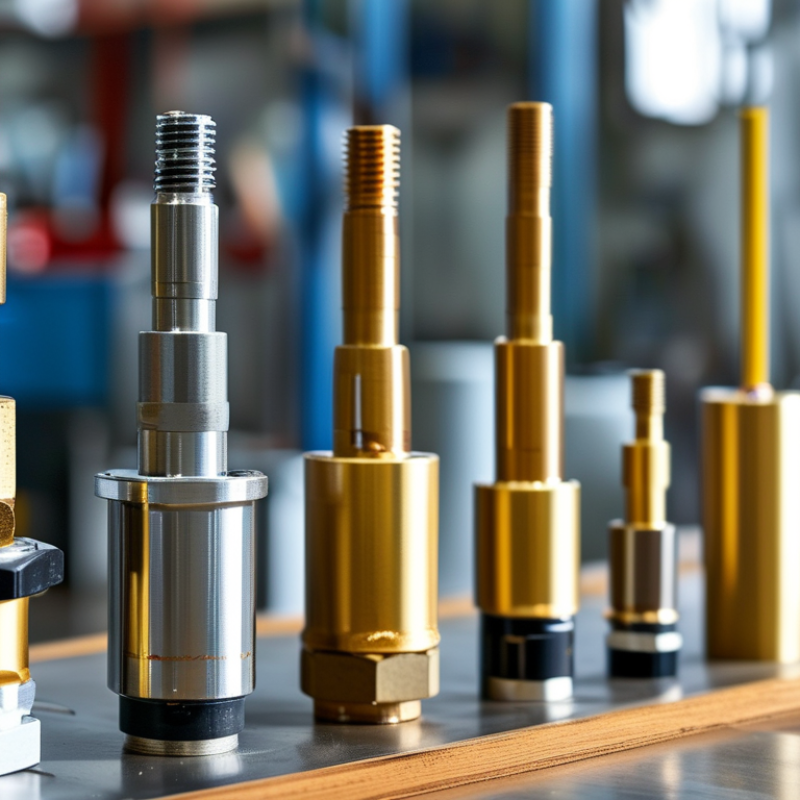
Quick coupling connectors join fluid or gas lines without tools, usually through a sleeve, ball, or poppet valve. The coupling locks when two halves meet and releases when the sleeve moves back. Internal valves then open, allowing hydraulic oil, water, air, or coolant to pass. Disconnecting reverses this action and limits leakage.
ISO 16028 covers several flat-face hydraulic couplings used where clean, low-spill connections matter. In field use, technicians should check pressure ratings, temperature limits, seal materials, and thread compatibility. A connector may look correct but still fail under vibration. That mistake is common. Clean the faces before connection, listen for the locking click, and inspect seals for cuts or swelling. Never connect a pressurized line by force.
Market data also shows why selection deserves attention. Grand View Research reported that the global industrial hose market could grow at about 4.7% annually from 2023 to 2030, increasing demand for dependable connection hardware. The U.S. Department of Energy notes that compressed-air systems can lose 20% to 30% of output through leaks, although site conditions vary. Poor coupling alignment can worsen those losses. In my experience, specifications often receive more attention than installation habits. That is a weakness. A sound connector still needs correct routing, regular inspection, and measured replacement intervals.
China Top 10 Quick Coupling Connector Manufacturers? - What Are Quick Coupling Connectors and How Do They Work?
| No. | Quick Coupling Category | Typical Connection Method | Common Materials | Typical Working Media | Typical Pressure Range* | Main Advantages | Common Applications |
|---|---|---|---|---|---|---|---|
| 1 | General-Purpose Pneumatic | Plug-in connection with sleeve locking | Plated steel, brass, aluminum, engineering polymers | Compressed air and inert gases | Approximately 0.7–1.6 MPa | Fast operation, compact size, broad availability | Factory automation, air tools, assembly equipment |
| 2 | Hydraulic Poppet-Type | Male and female poppets open when coupled | Carbon steel, stainless steel, zinc-plated steel | Mineral hydraulic oil and compatible fluids | Approximately 10–35 MPa | Reliable shut-off and high pressure capability | Mobile hydraulics, agricultural machinery, machine tools |
| 3 | Flat-Face Hydraulic | Flush mating faces with sleeve or threaded locking | Hardened steel and stainless steel | Hydraulic oil and selected water-glycol fluids | Approximately 20–40 MPa | Low spillage, reduced air inclusion, easy cleaning | Construction equipment, mining systems, hydraulic attachments |
| 4 | Screw-to-Connect Hydraulic | Threaded sleeve mechanically joins the two halves | High-strength carbon steel and stainless steel | High-pressure hydraulic fluids | Approximately 25–45 MPa | Resists accidental disconnection and pressure shocks | Heavy equipment, drilling systems, demanding hydraulic circuits |
| 5 | Cam-and-Groove Coupling | Two cam arms lock the adapter into the coupler | Aluminum, polypropylene, stainless steel, brass | Water, chemicals, fuels, powders and selected oils | Usually up to about 1.0–1.6 MPa | Tool-free connection and quick hose changes | Tanker loading, irrigation, chemical transfer, bulk handling |
| 6 | Dry-Break Coupling | Valves open only after the two halves are fully engaged | Stainless steel, aluminum, chemically resistant polymers | Hazardous chemicals, fuels, coolants and specialty fluids | Typically 0.5–3.0 MPa | Very low leakage and reduced environmental exposure | Chemical processing, fuel transfer, laboratory systems |
| 7 | Multi-Coupling Assembly | Several fluid, electrical or pneumatic lines connect simultaneously | Steel, aluminum, stainless steel and thermoplastics | Air, hydraulic oil, coolant and electrical signals | Depends on the integrated circuit; commonly 0.7–30 MPa | Reduces connection time and prevents line mix-ups | Injection molding, robotics, test benches, modular tooling |
| 8 | Thermoplastic Hose Coupling | Push-in or locking sleeve connection for flexible tubing | Acetal, nylon, polypropylene, brass and stainless steel | Air, water, vacuum and low-pressure process fluids | Approximately 0.3–2.0 MPa | Lightweight, corrosion-resistant and easy to install | Medical equipment, instrumentation, food processing, water systems |
| 9 | Refrigeration Coupling | Sealed valve connection designed for refrigerant circuits | Copper alloys, stainless steel and compatible elastomers | Refrigerants, compressor oil and heat-transfer fluids | Often 1.5–4.5 MPa, depending on refrigerant and temperature | Limits refrigerant loss during service and maintenance | HVAC equipment, chillers, refrigeration units, thermal systems |
| 10 | Electrical-Hydraulic Hybrid Coupling | Mechanical fluid connection combined with electrical contacts | Steel, aluminum, stainless steel, copper alloys and polymers | Hydraulic oil, compressed air and control signals | Fluid section commonly 1–30 MPa | Combines multiple utilities in one controlled connection | Automated tooling, production lines, mobile machinery |
*Pressure ranges are typical industry values for representative designs, sizes and materials. Actual ratings depend on nominal size, temperature, sealing material, fluid compatibility, connection standard and manufacturer specifications.
Key Criteria for Evaluating Chinese Connector Manufacturers
When evaluating Chinese quick coupling connector manufacturers, start with application fit, not catalog size. In field sourcing, I compare pressure, temperature, media compatibility, flow rate, and connection cycles. A connector for hydraulic oil may fail quickly in a corrosive chemical environment. Ask for material grades, seal compounds, machining tolerances, and surface treatments. Small details matter. Request drawings with revision numbers. This prevents costly misunderstandings during sampling.
Reliable manufacturers provide test evidence, not only attractive specifications. Review burst-pressure results, leakage tests, impulse-cycle data, and vacuum performance where relevant. Check whether tests use the same production materials and dimensions. An independent laboratory report adds confidence, but factory records still need verification. I also inspect quality controls, calibration dates, incoming-material checks, and final inspection procedures. Traceability should connect each batch to operators, machines, and inspection results.
Production capacity deserves a practical review. Ask about tooling ownership, sample lead time, minimum order quantities, and backup processes during equipment downtime. A factory may promise fast delivery yet struggle with stable tolerances at higher volumes. Sample ten or more pieces and measure them independently. Do not trust one perfect sample. One sample proves little. Communication matters too. Technical replies should answer directly and identify limitations. I have seen promising projects stall because engineering changes were recorded casually. Written change control, clear packaging standards, and realistic after-sales support reveal more than a polished sales presentation.
China’s Top 10 Quick Coupling Connector Manufacturers
China’s top ten quick coupling connector manufacturers serve hydraulic, pneumatic, fluid, and industrial equipment markets. Their products commonly use stainless steel, brass, aluminum, or engineered polymers. Experienced factories usually offer multiple port sizes, sealing options, and connection methods. Buyers should inspect pressure ratings, temperature ranges, and media compatibility before comparing prices.
A dependable manufacturer should provide material certificates, dimensional drawings, and documented leak-testing procedures. Production experience matters when connectors face vibration, repeated assembly, or harsh factory environments.
Look for controlled machining, clean deburring, and consistent surface treatment. These details reduce leakage around threads and valves. Some suppliers also support custom hose ends, panel mounts, and automatic shutoff designs. Useful evidence includes sample inspection reports and traceable batch records.
However, “top ten” rankings can be imperfect. Public information changes, and factory capability may differ between product lines. A polished website proves little. Request independent test data, production samples, and references from comparable applications. Check whether the stated flow rate was measured under realistic pressure conditions. A connector can look strong but perform poorly after thousands of coupling cycles. I would also review replacement seals, delivery stability, and technical response time. Small weaknesses often appear after installation, not during quotation.
Product Types and Industries Served by Leading Manufacturers
China Top 10 Quick Coupling Connector Manufacturers?
China’s leading quick coupling manufacturers usually cover hydraulic, pneumatic, electrical, and dry-break connector systems. Hydraulic flat-face couplers suit excavators, loaders, and agricultural machinery. Pneumatic couplings support factory automation, packaging lines, and compressed-air tools. Dry-break designs reduce fluid leakage during hose changes. Electrical and fiber-optic couplings serve battery testing, robotics, and communication equipment.
MarketsandMarkets forecasts the global quick disconnect market to approach US$2.6 billion by 2028, rising from about US$2.0 billion in 2023. Definitions differ between reports, so rankings can be imperfect. Buyers should compare pressure ratings, flow capacity, sealing materials, cycle life, and temperature limits. ISO 16028 and ISO 7241 references can help when evaluating hydraulic products. Food processing and pharmaceutical users also need stainless-steel construction, cleanable surfaces, and compatible elastomers. Construction demands impact resistance. Medical equipment needs stable, low-leakage performance.
Tips: Ask manufacturers for test records, not only catalog figures. Check actual pressure loss at your working flow. A coupling rated for high pressure may still restrict performance. Request samples and conduct repeated connection tests in realistic conditions. This step often reveals stiff sleeves, seal wear, or poor alignment. Also verify traceability, inspection methods, and after-sales technical support. I would not choose a supplier from ranking position alone; application evidence matters more.
China Top 10 Quick Coupling Connector Manufacturers: Product Types and Industries Served
The chart compares major quick coupling connector categories by the number of common industrial sectors in which they are used. The figures represent industry-application coverage, not company rankings, market share, sales, or brand performance.
Covered industries include construction, agriculture, manufacturing, automotive, oil and gas, mining, chemical processing, food processing, water treatment, packaging, and road equipment. Hydraulic, pneumatic, cam-and-groove, dry-break, and high-pressure couplings are selected according to pressure, media, safety, and connection requirements.
How to Choose the Right Chinese Quick Coupling Supplier
Choosing among China’s top quick coupling connector manufacturers requires more than comparing online rankings. MarketsandMarkets’ Quick Couplings Market report projects steady global growth through 2028, driven by hydraulic equipment, construction, and industrial automation. That growth attracts capable factories, but also inconsistent suppliers. Treat rankings as a starting point, not proof.
Ask each supplier for pressure-test records, material certificates, dimensional drawings, and batch traceability. Confirm whether testing follows ISO 7241 or ISO 16028, depending on the coupling design. During an audit, inspect machining marks, sealing surfaces, cleaning procedures, and storage conditions. Small details matter. A scratched sealing face can cause leakage after installation.
Request samples from the same production line used for bulk orders. Compare insertion force, locking performance, flow restriction, and leakage after repeated connection cycles. The supplier should explain working pressure, burst pressure, temperature limits, and compatible fluids clearly.
SAE technical guidance and ISO test practices can support your comparison. Also review tooling ownership, minimum order quantities, lead times, packaging, and replacement procedures. A low quotation may hide unstable tolerances or expensive rework.
China’s customs and industrial export data can help verify production experience, but shipment volume does not prove engineering quality. I have seen promising samples fail during long-cycle testing. That possibility deserves attention. Choose a supplier willing to disclose limitations, correct defects, and provide measurable inspection evidence. Reliability is built through repeatable processes, not polished brochures.