Top Robotics Automation Solutions from China for Global Buyers?
The rise of robotics automation in China is reshaping global markets. Many international buyers seek advanced solutions to enhance efficiency. As industries evolve, automation becomes crucial. China emerges as a leader, offering innovative tools that meet diverse needs.
Robotic systems simplify complex tasks. Industries like manufacturing and logistics benefit significantly. The flexibility of these solutions allows for customization and scalability. However, challenges remain. Not all products are suitable for every situation. Some buyers may struggle to navigate this diverse landscape. Understanding specific requirements is key to success.
As demand grows, it is essential to prioritize quality. Not every Chinese company can provide reliable automation solutions. Buyers need to conduct thorough research and verify claims. Knowledge of local regulations and industry standards ensures better decision-making. Embracing robotics automation is a journey filled with opportunities and potential pitfalls.
Overview of Robotics Automation in China
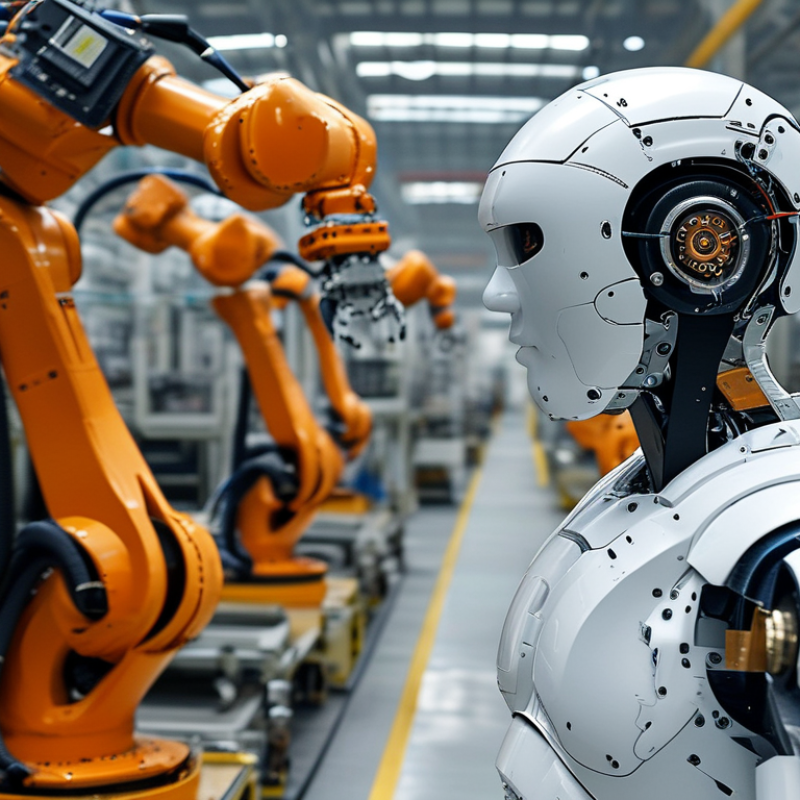
Robotics automation in China has rapidly evolved in recent years. China's technology sector drives significant advancements in robotics. As a result, various industries benefit from increased efficiency and productivity.
The landscape features numerous players developing automation solutions tailored to global needs. Many companies focus on specific sectors like manufacturing and logistics. However, some solutions may not adapt well to diverse environments. It’s crucial for buyers to assess compatibility with their unique operations. Additionally, the continuous pace of innovation might pose challenges in keeping up.
Despite the impressive progress, challenges remain. Many Chinese solutions lack comprehensive support services. This gap can hinder their implementation in international markets. Furthermore, cultural differences may influence usability and design. Buyers should critically evaluate potential solutions and seek options that align with their strategic goals.
Top Robotics Automation Solutions from China for Global Buyers
| Solution Type |
Application Area |
Automation Level |
Industry Focus |
Technological Innovation |
Cost Range (USD) |
| Collaborative Robots (Cobots) |
Manufacturing |
Semi-Automatic |
Electronics |
AI-Assisted Vision |
10,000 - 50,000 |
| Automated Guided Vehicles (AGVs) |
Logistics |
Fully Automatic |
Warehousing |
Navigation Sensors |
20,000 - 80,000 |
| Robotic Arms |
Assembly |
Fully Automatic |
Automotive |
Advanced Manipulation |
15,000 - 100,000 |
| Vision Inspection Systems |
Quality Control |
Semi-Automatic |
Pharmaceuticals |
Deep Learning |
5,000 - 30,000 |
| Drones |
Surveying |
Fully Automatic |
Agriculture |
GPS and Sensors |
2,000 - 15,000 |
Leading Chinese Robotics Companies and Their Innovations
China has become a hub for innovative robotics automation solutions. Numerous Chinese companies are rapidly advancing in the development of robotics technology. They focus on various sectors, including manufacturing, logistics, and healthcare. These businesses are not just creating products; they are transforming processes and improving efficiency worldwide.
One of the significant trends is the integration of AI with robotic systems. This combination allows for smarter operations. Companies are developing robots that can adapt to unstructured environments. Such advancements present both opportunities and challenges. The pace of innovation raises questions about workforce displacement. Is the current workforce prepared for this shift? Continuous learning will be essential.
Additionally, companies are exploring collaborative robots, or cobots. These machines work alongside human workers, enhancing productivity without replacing jobs. However, safety and usability concerns remain critical. Will businesses prioritize worker protection as they adopt new technologies? The landscape is evolving, but reflections on ethics and responsibility must keep pace with innovation.
Key Technologies Driving China's Robotics Solutions
China is a powerhouse in the global robotics landscape. The country's advancements in automation technology are reshaping various industries. Key technologies driving China's robotics solutions include artificial intelligence (AI), advanced sensors, and autonomous systems. According to a report by the International Federation of Robotics, China accounted for over 30% of the global sales of industrial robots in 2022. This indicates their rapid growth and innovation in this sector.
Many robotics solutions focus on adaptability and efficiency. For instance, AI-driven robots can learn tasks quickly, improving productivity to meet market demands. The integration of advanced sensors enhances precision, allowing for improved quality in manufacturing processes. Notably, the collaborative robotics segment is gaining traction. These robots work alongside humans, increasing workplace safety and productivity.
Tip: When considering automation, assess your specific needs. Tailoring solutions to fit your operational requirements is crucial. It’s also important to evaluate the technical support and integration assistance provided.
Despite the impressive developments, challenges remain. Companies may face hurdles in implementing these technologies. Compatibility with existing systems can be an issue. Researching and understanding these factors can mitigate risks. Exploring pilot programs offers insights into practical applications before full implementation.
Market Trends and Opportunities for Global Buyers
China's robotics automation sector is rapidly evolving. Recent reports highlight a projected market growth of over 20% annually through 2025. This presents a significant opportunity for global buyers seeking innovative solutions. As economies recover post-pandemic, industries are prioritizing automation to enhance efficiency and reduce labor costs.
Investment in robotics is shifting towards advanced technologies like AI and machine learning. These advancements help streamline operations and improve productivity. Notably, nearly 70% of manufacturing companies are exploring automation solutions. This shift reveals a demand for versatile robots capable of handling various tasks, such as assembly, packaging, and quality control.
However, challenges remain. Global buyers must navigate varying standards and regulations associated with robotics. Additionally, while Chinese manufacturers lead in production capacity, some may lack transparent communication regarding technology integration. Buyers should carefully evaluate potential partners to ensure compatibility with their operational needs. Making informed choices is crucial in this dynamic marketplace.
Top Robotics Automation Solutions from China
This bar chart illustrates the market sizes of different categories of robotics automation solutions from China in terms of millions of USD. Industrial robots lead the market, followed by service and logistics robots, showcasing significant opportunities for global buyers in these sectors.
Case Studies of Successful Global Implementations of Chinese Robots
Chinese robotics have made significant strides in global implementations. A recent report by the International Federation of Robotics shows that global sales of industrial robots increased by 10% in 2022. Among these, Chinese manufacturers captured over 40% of the market share. This substantial growth highlights the increasing trust in Chinese automation solutions worldwide.
One striking case involves a Southeast Asian auto parts manufacturer. They adopted Chinese robots for assembly lines, resulting in a 30% increase in production efficiency. Initially, they faced integration issues and had to refine their workflow. However, the investment paid off. The robots not only streamlined processes but also reduced labor costs significantly.
Another notable example is a European electronics firm that implemented Chinese robotic arms in its production lines. The firm reported a 25% decrease in defective products after the deployment. They encountered initial resistance from the workforce. Workers feared job losses. However, re-skilling programs alleviated their concerns, demonstrating the importance of employee engagement in robotics adoption. These instances reflect the complexities of integrating robotics and the potential for growth across industries.