Top Robotics Careers Tips for Success in the Industry?
In today's fast-paced world, robotics careers are more important than ever. The industry is booming, with new jobs emerging rapidly. Many people dream of working in this innovative field, but only a few succeed. What sets them apart?
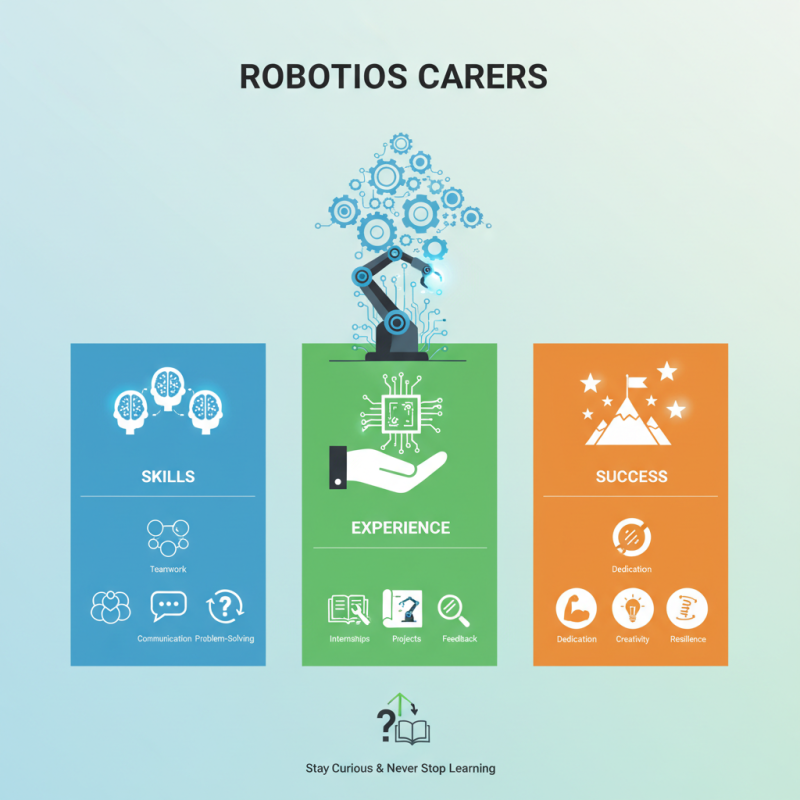
To thrive in robotics careers, one must develop a unique skill set. Technical skills matter, but soft skills are equally important. Teamwork, communication, and problem-solving abilities can make or break your career. It is not just about programming robots; it is about working well in a team to achieve a common goal.
Moreover, hands-on experience is vital. Graduates often struggle because they lack real-world applications of their skills. Internships and projects can bridge this gap. Reflect on your experiences and seek feedback. Embrace challenges, as they can lead to growth. A successful future in robotics careers requires dedication, creativity, and resilience. Stay curious and never stop learning.
Essential Educational Background for Robotics Careers
A solid educational background is vital for a successful career in robotics. Most professionals in this field hold degrees in engineering, computer science, or mathematics. According to a report from the Bureau of Labor Statistics, employment in robotics-related roles is projected to grow by 9% from 2020 to 2030. This growth showcases the increasing demand for skilled workers in the industry.
A bachelor's degree may be sufficient for some roles, but advanced positions often require a master's or PhD. Specialized knowledge in artificial intelligence or machine learning can set candidates apart. Many employers seek applicants with hands-on experience. Internships and projects can provide practical understanding of robotics systems. However, many graduates overlook the importance of networking and industry connections, which can hinder job prospects.
Moreover, robotics is a multifaceted field that demands continuous learning. Technologies evolve quickly, and staying updated is essential. Professionals often struggle to keep pace with advancements. Lifelong learning, through workshops and certification programs, is necessary. Learning is not just about formal education. Building a portfolio of projects can be equally important. It showcases skills and personal initiative. This combination of formal education and continuous learning is key to success in the robotics sector.
Key Skills Needed for Success in Robotics Industry
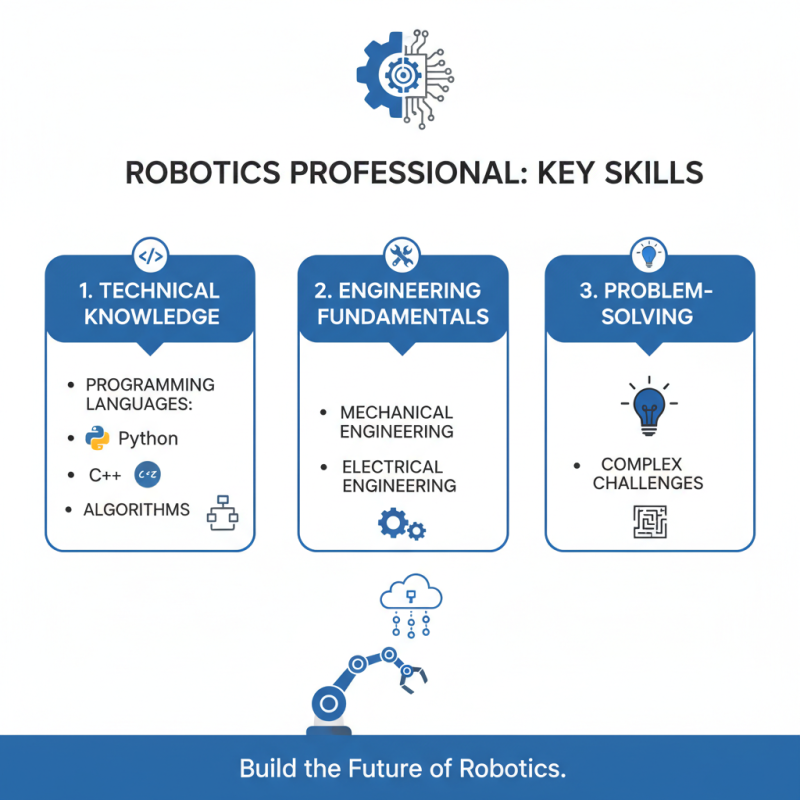
In the rapidly evolving field of robotics, certain key skills can set professionals apart. Technical knowledge is essential. A solid grasp of programming languages, like Python or C++, is crucial for developing robotic systems. Understanding algorithms can help in solving complex problems. Additionally, mechanical and electrical engineering fundamentals are vital. This knowledge lays the groundwork for anyone designing or building robots.
Soft skills are equally important. Communication within teams can significantly affect project success. Engineers often work in multidisciplinary teams. They must convey complex ideas simply. Critical thinking is essential, too. It helps to evaluate issues and come up with innovative solutions. Sometimes, the path to the solution may not be straightforward, leading to frustrations. Learning from failures and reflecting on mistakes fosters growth.
Adaptability is a significant trait for anyone in robotics. The industry advances quickly. New technologies and methodologies emerge regularly. Professionals must be open to learning. Embracing change can open up new opportunities. This attitude can sometimes be hard. It requires letting go of fixed ideas and being willing to explore uncharted territories.
Networking Strategies for Robotics Professionals
Networking is vital for robotics professionals aiming for success. It opens doors to opportunities and collaborations. Attend events, workshops, and conventions. Meet industry leaders and peers. Engage in meaningful conversations.
Tips for effective networking include creating a concise elevator pitch. Share your experiences and aspirations clearly. Don’t hesitate to follow up with new contacts. A simple message can spark a great connection. Sometimes, the best opportunities arise when least expected.
Consider joining online forums and social media groups. Participate actively in discussions. Your input can build recognition in the community. Remember, networking isn't just about gaining. It's about sharing knowledge and learning. Reflect on your interactions. What worked? What didn’t? Adapting your approach is key.
Top Robotics Careers Tips for Success in the Industry
Navigating Job Opportunities in Robotics
Navigating job opportunities in robotics requires a proactive approach. Start by building a strong foundation in relevant skills. Attend workshops or take online courses. Hands-on experience is crucial. Join local robotics clubs or participate in competitions to hone your abilities. This practical exposure often impresses employers.
Networking can play a significant role. Attend industry conferences and meet professionals in the field. Social media can also be beneficial. Follow key figures and organizations in robotics. Engaging with their content can lead to valuable connections. Don’t underestimate the power of informal conversations; they might open unexpected doors.
Job searching is not always a straight path. Rejections happen. Each setback can be a learning opportunity. Reflect on feedback and improve your resume. Tailoring your application can make a difference. Stay updated on industry trends and be ready to adapt. The robotics landscape is evolving, and flexibility is key to long-term success.
Continuing Education and Professional Development in Robotics
Continuing education is essential in the rapidly evolving field of robotics. The technology changes quickly, and staying updated is crucial. Online courses and workshops serve as great resources. Many professionals find these formats flexible and accessible. However, it can be challenging to choose the right courses. With so many options, it’s easy to feel overwhelmed.
Networking is another vital aspect of professional development. Attending conferences can open doors to new opportunities. Connecting with peers can foster collaboration on innovative projects. Yet, not everyone is comfortable in networking situations. Preparing an elevator pitch may help ease this discomfort. Practicing in front of a mirror could build skills and confidence.
Lastly, engaging in hands-on projects is invaluable. Working on real-world problems enhances learning. Experimenting with building a robot can solidify your skills. Sometimes, projects fail, and that’s okay. Reflect on what went wrong to grow. Join a local robotics club or participate in competitions for practical experience. Embrace the journey of learning, even when it feels challenging.
Top Robotics Careers Tips for Success in the Industry
| Career Path |
Key Skills |
Education Requirements |
Average Salary (USD) |
| Robotics Engineer |
Programming, CAD, Control Systems |
Bachelor's in Robotics/Engineering |
$85,000 |
| Automation Technician |
Troubleshooting, PLC Programming |
Associate's Degree or Certification |
$60,000 |
| Mechatronics Engineer |
Mechanical Design, Electronics |
Bachelor's in Mechatronics/Engineering |
$88,000 |
| Robotics Software Developer |
Software Development, AI Programming |
Bachelor's in Computer Science/Engineering |
$95,000 |
| Research Scientist in Robotics |
Data Analysis, Machine Learning |
PhD in Robotics/AI |
$105,000 |