Unlocking High Demand Robotics Careers in China Today?
In recent years, the demand for robotics careers in China has surged dramatically. According to a report by the International Federation of Robotics, the Chinese robotics market is expected to grow at a rate of 20% annually, highlighting the vast opportunities available. As industries evolve, the need for robotics professionals has never been greater. Companies are eager for skilled individuals who can develop, maintain, and innovate robotic systems.
Dr. Li Wei, a leading expert in robotics technology, emphasizes the importance of this trend, stating, “The future of work is intertwined with robotics. Professionals must adapt to stay relevant.” This shift is not without challenges. Many potential candidates lack access to the necessary training programs. Educational institutions must step up their efforts to equip students with relevant skills. Additionally, existing professionals must embrace continuous learning to keep pace with rapid advancements.
The landscape of robotics careers is vibrant yet nuanced. Each new technology poses questions about ethical implications and job displacement. There is a pressing need for dialogue among industry leaders, educators, and policymakers. As China positions itself as a global leader in robotics, aspiring professionals must navigate this complex environment to find their place.
Overview of the Robotics Industry in China
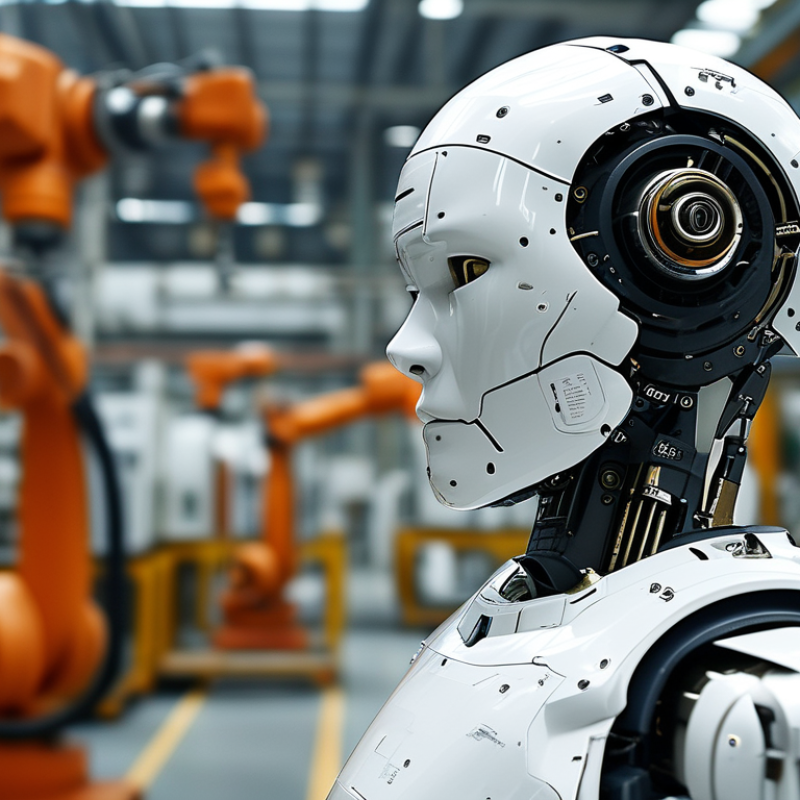
The robotics industry in China is experiencing rapid growth. According to a report from the International Federation of Robotics (IFR), China accounted for 44% of global robot sales in 2021. This trend is expected to continue as automation becomes essential across multiple sectors, including manufacturing and healthcare. The country's investment in smart factories is reshaping the landscape, leading to increased demand for skilled professionals in robotics.
Automation is not just about machines. It involves engineering, programming, and design work. Many universities are adapting their curricula to match the job market. The shortage of qualified personnel is evident. Job seekers need not only technical qualifications but also creativity and problem-solving skills. Hands-on experience during internships can make a difference.
Tips: Consider online courses in robotics programming. Gain experience through internships or projects. Networking can be just as crucial as qualifications. Engage in robotics competitions to enhance your skills. As the industry evolves, continuous learning will be key to staying relevant in this dynamic field.
Current Trends Driving Demand for Robotics Careers
Current trends in robotics are reshaping career opportunities in China. The rapid development of artificial intelligence is a major driver. Companies seek professionals with skills in automation and machine learning. Robotics is expanding in manufacturing, healthcare, and logistics. Businesses want to enhance productivity and reduce costs.
Education in robotics is also evolving. Universities are introducing specialized programs. Short-term courses, online learning, and workshops are on the rise. Many professionals are transitioning into robotics from other fields. They may face challenges adapting to new technologies. However, the shift offers great potential for growth.
Cities across China are investing in smart technology. Robotics is part of urban development strategies. There is a growing need for skilled technicians and engineers. Job seekers must focus on building both technical and soft skills. Networking will be essential in this competitive landscape. Opportunities in robotics are vast yet require dedication and continuous learning.
Key Skills and Qualifications for Robotics Professionals
In today's fast-paced technological landscape, robotics careers are gaining momentum in China. The demand for skilled professionals is soaring. Yet, what makes a candidate stand out? Key skills and qualifications play a crucial role in shaping a successful robotics career.
An essential skill is programming proficiency. Familiarity with languages like Python and C++ can set you apart. Many employers seek candidates who can understand algorithms and automation processes. Knowledge of machine learning enhances your profile. Understanding AI principles is invaluable in this rapidly evolving field.
Additionally, hands-on experience is vital. Engaging in projects can boost your confidence and skills. Participating in robotics competitions provides practical exposure. However, not all experiences yield immediate results. It's okay to face setbacks; they can lead to valuable lessons. Collaboration is another key aspect. Working in teams hones communication and problem-solving abilities. Understanding system integration is crucial too. Building a solid foundation in these areas will prepare you for a rewarding career.
Impact of Government Policies on Robotics Employment Opportunities
In recent years, government policies in China have significantly shaped the landscape of robotics careers. Investment in technology has surged. This shift aims to enhance industry 4.0 and economic growth. Local governments provide incentives for companies adopting robotics. Yet, the competition for talent remains fierce.
Many graduates enter this field with high aspirations. However, the job market is saturated in major cities. Not all roles provide adequate training or mentorship. Aspiring professionals must be proactive. Engaging in internships and hands-on projects can set candidates apart. Networking is essential; local meetups offer invaluable connections.
Tips for entering the robotics job market include:
- Start learning coding today.
- Familiarize yourself with machine learning and AI technologies.
- Seek out local workshops to gain practical experience.
These steps can enhance your resume and prospects.
Government initiatives focus on education. Programs designed to foster STEM skills are essential. Yet, the gap between education and industry needs remains. Companies often seek experience over qualifications alone. This paradox can be frustrating. Continuous learning and adaptation are vital in this evolving field.
Future Prospects and Challenges in China's Robotics Job Market
China's robotics job market is growing rapidly, presenting opportunities and challenges. Recent reports indicate that the robotics industry in China is projected to reach a market value of over $21 billion by 2025. This growth is fueled by increased automation in various sectors, including manufacturing, healthcare, and logistics. Corporations are investing heavily in robotics research and development to remain competitive in a global market.
However, the high demand for robotics professionals is not without challenges. A shortage of skilled workers persists. In a recent survey, 70% of companies reported difficulties finding qualified candidates for robotics roles. This gap can hinder innovation. Many universities are adapting their curricula, yet the pace may not meet industry needs. Further, continuous training is essential for current employees to keep up with rapid technological advancements.
Job seekers must possess a blend of technical expertise and critical thinking skills. The landscape is evolving quickly, so staying abreast of new trends is crucial. Robotics that once seemed futuristic are becoming commonplace. However, ethical considerations, such as job displacement and data privacy, complicate this evolution. Employers and educators must collaborate to close the skills gap while fostering responsible innovation in this promising yet challenging field.