Why Warehouse Robotics is Transforming the Future of Logistics?
In recent years, warehouse robotics has emerged as a revolutionary force in the logistics industry. According to a recent McKinsey report, companies utilizing warehouse robotics can improve efficiency by up to 30%. This technology streamlines operations, reduces costs, and enhances accuracy. As companies face rising consumer demands, automation becomes essential.
Experts in the field emphasize the transformative impact of these innovations. John Smith, a leading figure in warehouse automation, explains, "Warehouse robotics will redefine how we think about distribution and logistics." His insights highlight the potential for robotics to solve current challenges in the supply chain. Yet, there are hurdles to consider, such as the initial investment and the need for skilled technicians.
While robotics can significantly boost productivity, the human factor remains crucial. Workers may fear job displacement. Businesses must balance automation with training programs to help employees adapt. The journey toward full integration of warehouse robotics is complex, but it promises substantial rewards for those willing to navigate these challenges.

The Rise of Warehouse Robotics in Logistics Industry
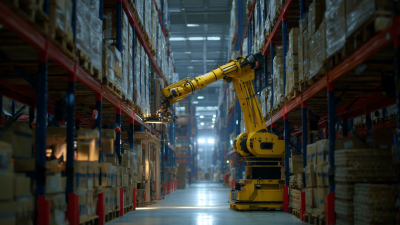
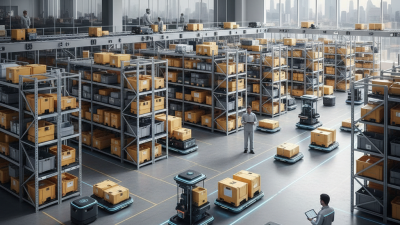
The logistics industry is witnessing a significant shift with the rise of warehouse robotics. These robots enhance efficiency and precision in operations. They can navigate through complex environments, reducing the time taken for tasks. These advancements allow human workers to focus on more strategic roles rather than repetitive tasks.
Tips: Consider the integration process. Choose technology that aligns with your operations. Sometimes, the implementation can be challenging. Testing robots in a controlled environment may help identify potential issues. Balancing human and robotic efforts is crucial for optimal outcomes.
As robots take over various tasks, there are concerns about job displacement. However, the focus should be on upskilling the workforce. Workers can learn to work alongside robots. Manual tasks can transform into more analytical positions. This change demands a flexible mindset. The logistics sector can thrive with this collaboration between humans and machines.
Warehouse Robotics Transforming the Future of Logistics
| Dimension |
Impact |
Benefits |
Challenges |
| Efficiency |
Increased speed in order fulfillment |
Higher throughput and reduced labor costs |
Initial investment costs |
| Accuracy |
Improved picking accuracy |
Lower return rates and customer satisfaction |
Maintenance and repair issues |
| Flexibility |
Adaptability to various tasks |
Ability to scale operations easily |
Training requirements for workforce |
| Safety |
Reduced workplace accidents |
Enhanced employee well-being |
Possible job displacement concerns |
| Cost |
Decreased operational costs |
Long-term ROI potential |
Ongoing technology updates |
Key Technologies Driving Warehouse Robotics Innovation
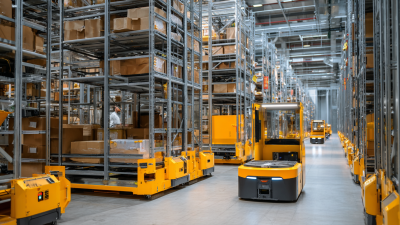
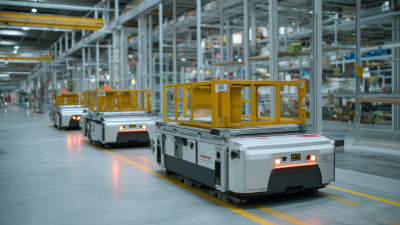
Warehouse robotics is reshaping logistics with incredible speed. Technologies like autonomous mobile robots (AMRs) and automated guided vehicles (AGVs) are at the forefront. These systems efficiently transport goods across warehouses, reducing time and labor costs. Sensors and cameras help robots navigate complex environments, enhancing accuracy in picking and packing.
Artificial intelligence (AI) plays a crucial role. It enables robots to learn from their surroundings. Machine learning algorithms help optimize routes for quicker deliveries. Yet, there are challenges. Not all robots can adapt to sudden changes in layout or stock. This can lead to delays, proving human oversight is still essential.
Integration with Artificial Intelligence (AI) enhances decision-making processes. It allows for better inventory management. However, the reliance on technology raises concerns. Over-dependence may lead to vulnerabilities during system failures. Continuous improvements are necessary for a seamless interaction between humans and machines. A balance between automation and human skills is vital for the future of logistics.
Warehouse Robotics Innovations: Key Technology Adoption in Logistics (2023)
This bar chart illustrates the adoption rates of key technologies driving warehouse robotics innovation in logistics for the year 2023. As logistics companies continue to automate operations, understanding which technologies are gaining traction is crucial.
Advantages of Implementing Robotics in Warehouse Operations
Warehouse robotics is reshaping logistics, bringing numerous advantages that improve efficiency and reduce costs. Automated systems handle repetitive tasks like sorting and packing. This minimizes human error, which is often costly. Robots can work around the clock, increasing output significantly. They are reliable, handling goods with precision.
Implementing robotics also creates a safer working environment. With robots managing heavy lifting, the risk of injury decreases. However, this technology requires investment and training. Not all warehouses can adapt quickly. Some employees may feel threatened by automation, leading to resistance. Maintaining a balance between technology and people is vital for long-term success.
Moreover, robotics need regular maintenance. Breakdowns can disrupt operations. Adaptability is essential. Not every warehouse layout suits robotic systems. Space and design must be considered. Optimizing the workflow may take time and effort. The potential for transformation is significant, but it requires thoughtful implementation.
Challenges and Solutions in Warehouse Robotics Deployment
The deployment of warehouse robotics often faces various challenges. Integrating new technologies into existing systems is a key hurdle. Compatibility issues can arise, leading to disruptions in workflow. Training staff to operate these robots is another concern. Employees might feel overwhelmed by new technology. Resistance to change can create friction within teams.
Safety is a crucial aspect too. As robots work alongside human workers, ensuring safe interactions is essential. Incidents can happen, causing injuries or damage. Regular assessments and safety protocols are necessary for smooth operations. Additionally, the high initial costs of robotic systems can be daunting. Companies must weigh the long-term benefits against these upfront investments.
Despite these challenges, solutions are emerging. Developing modular systems allows for gradual integration. This helps minimize disruptions and provides time for staff adaptation. Ongoing training programs can also ease the transition. Focusing on collaboration between humans and robots creates a more efficient warehouse environment. Each challenge presents an opportunity for improvement and innovation.
Future Trends: Automation and the Evolving Logistics Landscape
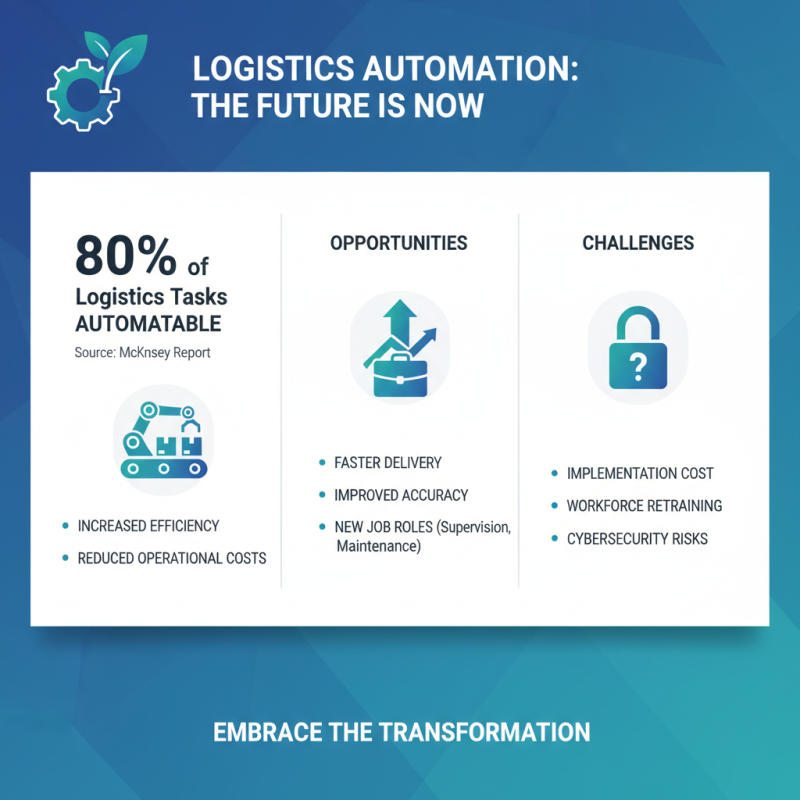
The logistics landscape is rapidly changing. Automation is becoming essential for efficiency. As per a recent report by McKinsey, up to 80% of logistics tasks could be automated. This transformation brings both opportunities and challenges.
Many warehouses are now utilizing robotics to improve productivity. Automated guided vehicles (AGVs) can transport goods swiftly. They reduce the time spent on manual labor and enhance accuracy. According to a study from Gartner, companies using warehouse robotics experience a 20-30% increase in throughput. However, the implementation of these systems is not without its downsides. Over-reliance on automation can lead to issues with adaptability in dynamic environments.
The evolving logistics landscape requires a keen focus on technological integration. A projected 70% of logistics providers are expected to invest in automation technologies by 2025. Yet, this shift raises concerns about workforce displacement. Reskilling employees is vital to ensure they can operate alongside new technologies. The balance between automation and human labor is crucial. As the future unfolds, reflection on these factors will shape the success of automation in logistics.