
What Are the 10 Best Textile Lamination Machines?

Choosing the 10 best Textile Lamination Machine models is not a simple ranking exercise. Textile producers face different fabrics, coatings, adhesives, widths, and production targets. A machine that performs beautifully on polyester may struggle with elastic knits or heat-sensitive membranes. That detail matters.

Dr. Seshadri Ramkumar, a respected technical-textiles researcher, has emphasized, “Performance must lead textile innovation.” This principle guides our comparison. We examine hot-melt, flame, powder, film, and calendar lamination systems through practical criteria. These include bonding strength, temperature control, roller pressure, web tension, line speed, energy use, and operator safety. We also consider cleaning access and spare-part availability. Small maintenance details can stop a large production line.

The best Textile Lamination Machine should create a stable bond without damaging the textile surface. It should handle real factory conditions, not only laboratory samples. Consistent edge alignment matters. So does a clean finish under bright inspection lighting. Some machines promise impressive speeds, yet their output may vary across wider fabric rolls. That weakness deserves attention.

This guide does not pretend that one machine suits every manufacturer. That would be convenient, but inaccurate. Instead, it compares leading options for specific applications and production environments. Trial runs remain essential. A careful buyer should test the intended fabric, adhesive, and operating temperature before signing an order. Even strong technical specifications can hide practical limitations. Reliability is proven on the production floor.
What Are the 10 Best Textile Lamination Machines?

What Is a Textile Lamination Machine?

A textile lamination machine bonds two or more fabric layers into one functional material. It commonly uses heat, pressure, or adhesive film to join textiles with foam, membranes, films, or protective coatings. The finished fabric may resist water, improve insulation, reduce noise, or provide greater durability.

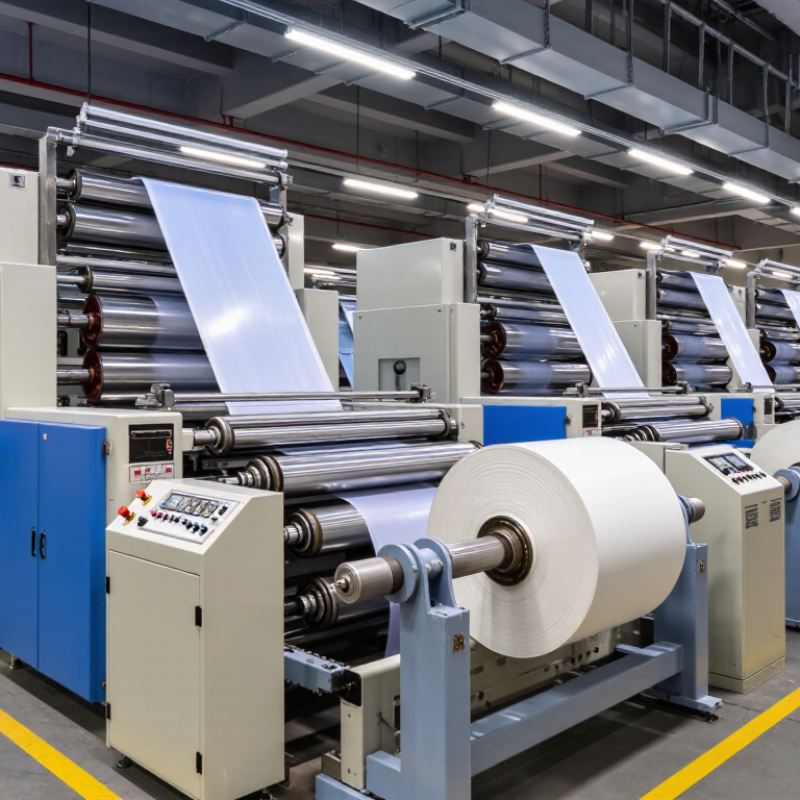
In practical production, the machine usually includes an unwinding unit, alignment rollers, a bonding zone, and a cooling section. Operators adjust temperature, roller pressure, line speed, and fabric tension. Heat matters. A temperature that is too high can weaken fibers or create shiny marks. Low pressure may leave bubbles, loose edges, or uneven bonding. Small errors grow.

The ten best textile lamination machines should not be judged by speed alone. A reliable model should maintain stable heat, even pressure, accurate tension, and simple control settings. It should also handle the intended fabric width and adhesive type safely. Production teams often test peel strength, surface appearance, flexibility, and wash resistance before regular use. These checks provide stronger evidence than a brochure claim. However, no machine suits every textile. Delicate fabrics may need slower processing, while dense materials require more pressure. Even experienced operators can misjudge a new fabric, especially when humidity changes. Careful trials remain necessary.

What Are the 10 Best Textile Lamination Machines?

Textile lamination machines bond two or more textile layers using heat, pressure, adhesive, flame, or a thermoplastic film. The chart compares representative maximum working widths commonly used in textile production; actual specifications vary by material, configuration, and application.

Wider roll laminators are generally suited to upholstery, outdoor fabrics, bedding, and industrial textiles. Narrower systems are often selected for apparel panels, technical tapes, footwear components, and laboratory-scale production. The best machine depends on fabric type, bonding method, required throughput, coating weight, and final product performance.

How Do Textile Lamination Machines Work?

How Do Textile Lamination Machines Work?

Textile lamination machines bond two or more layers into one functional fabric. A typical line unwinds the face fabric, membrane, and backing material under controlled tension. An adhesive film or liquid coating then enters the bonding zone. Heated rollers soften the adhesive, while a calibrated nip pressure removes air pockets. Cooling rollers stabilize the structure before winding.

The process is precise, but not automatic perfection. Excessive heat can distort synthetic fibers. Uneven pressure may create silvering, wrinkles, or weak edges. In production trials, I would check peel strength, fabric hand, coating weight, and water resistance after conditioning. Small temperature changes matter. Too much speed can reduce contact time and bonding reliability.

The Textile Exchange Materials Market Report 2024 estimates global fiber production reached 124 million tonnes in 2023 and could reach 160 million tonnes by 2030. That growth increases demand for lighter, multi-layer textiles, including protective and performance fabrics. Lamination helps combine comfort with barrier performance, but it can also complicate recycling when layers cannot separate easily. The European Environment Agency reports that textile consumption creates significant environmental pressure across production and disposal stages. Machine settings therefore need more than output targets. Lower adhesive use, stable tension, and reduced heating time should be tested together. A practical mistake is judging quality immediately; some delamination appears only after washing, flexing, or humidity exposure.

What Features Define the Best Textile Lamination Machines?

The best textile lamination machines are defined by control, not impressive speed alone. In production trials, I examine coating consistency, heat stability, and fabric handling. A reliable machine should maintain even pressure across the working width. It should also prevent wrinkles when processing lightweight fabrics. Precise temperature control matters. Excess heat can weaken fibers, distort color, or damage adhesive layers.

Practical operators also need adjustable line speed and tension control. These features help match the machine to cotton, technical fabrics, films, and foam-backed materials. An accessible control panel reduces training time and supports repeatable settings. Quick cleaning access is valuable when adhesive residue collects near rollers. I prefer machines with clear alarms, guarded moving parts, and documented maintenance procedures. Safety should be built into the design, not added later.

Energy use deserves attention, too. Efficient heating systems can reduce operating costs without sacrificing bonding strength. Strong rollers and corrosion-resistant components support longer service life. However, no machine performs perfectly with every textile. I once saw a stable process fail because the fabric moisture level was ignored. That detail changed the test results. Operators should record temperature, pressure, speed, and peel strength for each material. Independent testing adds credibility, although it can slow production decisions. A machine may look advanced, yet poor calibration can create uneven lamination within hours. Reliable results come from suitable features, trained users, and honest process checks.

What Are the 10 Best Textile Lamination Machines?

The 10 best textile lamination machines depend on fabric type, adhesive, production volume, and heating accuracy. In practical workshops, the strongest options include hot-melt roll laminators, flatbed heat presses, calendar laminators, solvent-free laminators, powder adhesive laminators, film laminators, foam laminators, membrane presses, infrared laminators, and continuous belt laminators. Each design solves a different production problem.

Hot-melt roll machines suit steady fabric-to-film bonding. Flatbed presses work well for small panels and prototypes. Calendar machines deliver even pressure across wide textiles. Solvent-free systems reduce handling concerns and support cleaner production areas. Powder adhesive models suit breathable technical fabrics. Film laminators help create smooth protective surfaces. Foam laminators add cushioning for outdoor or automotive textiles. Membrane presses handle shaped components with careful pressure control. Infrared machines heat selected areas quickly. Continuous belt systems support high-volume production with stable feeding.

The best choice should maintain consistent temperature, pressure, and line speed. Operators should inspect bonded samples after cooling, not immediately. A weak edge may appear perfect while still warm. Look for adjustable rollers, accurate sensors, emergency stops, and accessible cleaning points. I have found that easy calibration often matters more than impressive speed. Faster is not always better. Some machines waste material during startup, especially with thin fabrics. That weakness deserves attention. Test peel strength, surface smoothness, flexibility, and wash resistance before approving regular production. Surface dust, uneven fabric tension, and adhesive moisture can still damage results.

What Are the 10 Best Textile Lamination Machines?
No. Machine Type Primary Lamination Method Compatible Materials Typical Working Width Typical Operating Speed Typical Temperature Range Key Advantages Best Applications
1 Continuous Hot-Melt Laminating Line Thermoplastic adhesive film, web, or powder activated by heated rollers Woven fabrics, knitted fabrics, nonwovens, foam, synthetic leather, and technical textiles 1,600–3,200 mm 5–40 m/min 80–180°C, depending on adhesive chemistry High productivityConsistent bondingSuitable for roll goods Apparel interlinings, outdoor textiles, automotive fabrics, and protective clothing
2 Flame Lamination Machine Controlled surface melting of polyurethane foam followed by pressure bonding Polyurethane foam with polyester, nylon, cotton, microfiber, or laminated fabric layers 1,600–2,800 mm 10–45 m/min Uses a flame zone rather than a conventional heated platen Fast bondingNo added adhesive filmStrong foam adhesion Automotive interiors, mattress fabrics, upholstery, sportswear, and padded products
3 Hot-Melt Powder-Dot Laminator Thermoplastic adhesive powder applied in dots and activated by heat and pressure Textiles, nonwovens, foam, and breathable membrane assemblies 1,600–2,400 mm 8–35 m/min 100–170°C, depending on powder type and fabric construction Breathable bondLow adhesive usageFlexible hand feel Garment interlinings, breathable sportswear, footwear components, and medical textiles
4 Adhesive Film Laminator Preformed thermoplastic adhesive film bonded through heated rollers or a heated belt Membranes, fabrics, foams, synthetic leather, films, and multilayer textile assemblies 1,600–3,000 mm 3–30 m/min 70–160°C, based on the film’s softening range Clean processAccurate adhesive dosageGood appearance Waterproof garments, seam-tape substrates, soft furnishings, and functional textile composites
5 Reactive PUR Hot-Melt Laminator Moisture-curing polyurethane reactive adhesive applied as a thin coating Technical fabrics, breathable membranes, foam, films, leather, and heat-sensitive textiles 1,600–2,600 mm 5–25 m/min 80–130°C, with final curing occurring after lamination High final strengthExcellent flexibilityGood wash resistance Waterproof-breathable clothing, automotive trim, footwear, and high-performance technical textiles
6 Solvent-Free Two-Component Laminator Metered application of resin and hardener followed by controlled pressure bonding Films, foil, coated fabrics, woven textiles, nonwovens, and barrier materials 1,600–3,000 mm 20–120 m/min Typically 20–90°C, depending on the adhesive system Low emissionsEfficient material useStrong barrier bonding Technical laminates, coated fabrics, packaging textiles, and industrial textile composites
7 Heated Calendar-Roller Laminator Heat and nip pressure applied through one or more temperature-controlled rollers Fabrics, films, nonwovens, foam, coated textiles, and synthetic leather 1,600–3,400 mm 5–60 m/min 60–200°C, depending on substrate and adhesive Uniform pressureCompact configurationHigh web control Home textiles, apparel fabrics, filtration media, labels, and industrial laminates
8 Continuous Belt Laminator Heated endless belt provides extended dwell time and even pressure Delicate fabrics, foam, membrane textiles, multilayer composites, and quilted materials 1,600–3,200 mm 2–20 m/min 60–180°C, depending on adhesive and substrate Gentle handlingLong dwell timeLow distortion Soft furnishings, insulation materials, medical textiles, and low-pressure composite bonding
9 Flatbed Heat-Press Laminator Stationary heated platen applies controlled heat and pressure to cut panels or sheets Garment panels, patches, films, fabrics, foam, transfer materials, and small textile assemblies 400–2,000 mm press width Batch operation; commonly 10–60 seconds per cycle 80–220°C, depending on bonding material Precise temperature controlSuitable for short runsEasy changeover Sampling, custom apparel, reinforcement panels, labels, repairs, and small-batch production
10 Spray-Adhesive Textile Laminator Controlled adhesive spray followed by nip or belt pressing Foam, upholstery fabrics, nonwovens, insulation fibers, and uneven or three-dimensional surfaces 1,500–2,500 mm 3–20 m/min Ambient to approximately 120°C, depending on adhesive formulation Flexible coverageWorks with irregular surfacesAdjustable coating weight Mattress production, furniture upholstery, acoustic panels, automotive interiors, and insulation products

How Should Textile Lamination Machines Be Compared?

Choosing among the 10 best textile lamination machines requires more than comparing listed speed. The 2024 Textile Exchange Materials Market Report records 124 million tonnes of global fibre production in 2023. That volume increases pressure on factories to reduce waste, rework, and energy use. Compare usable width, coating accuracy, heating stability, and fabric tension. A machine rated at 40 metres per minute may run slower with delicate knits.

Trial data matters more than showroom claims. Test the same fabric roll, adhesive, temperature, and pressure on every machine. Record bond strength, peel consistency, edge alignment, and curing time. ISO 12944-style laboratory discipline is useful, although it does not replace textile-specific testing. Inspect the first and last metres. They often reveal tension problems.

Energy deserves careful attention. The International Energy Agency reports that industry consumed about 37% of global final energy in 2022. Therefore, compare installed power with actual consumption per laminated metre. Ask for readings during warm-up, steady production, and idle periods. Heat recovery can help, but it may complicate maintenance. That trade-off is easy to underestimate.

Operators should also score changeover time, cleaning access, spare-part availability, and control-system clarity. A complicated interface creates expensive mistakes. In my experience, a slightly slower machine can outperform a faster one when it produces fewer rejected rolls. Still, factory trials are imperfect. Humidity, operator skill, and adhesive age can distort results. Record these variables, or the comparison will look precise while remaining unreliable.

Scroll to Top