
Why Choose Agile Robotics for Your Supply Chain?
Supply chains rarely fail because of one dramatic problem. More often, small delays accumulate: a pallet waits beside a loading bay, a worker searches for a missing carton, or a conveyor stops during a product changeover. These moments expose the limits of fixed automation. Agile robotics offers a different approach. It combines mobile movement, adaptable software, and sensor-based decision-making to support changing warehouse conditions.
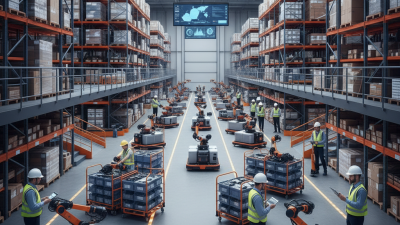
In practical deployments, robots can transport totes between storage zones, assist with picking, and adjust routes around people or temporary obstacles. They do not replace every process. They work best when connected to warehouse management systems and measured against clear targets, such as shorter travel time, fewer picking errors, and safer material handling. Reliable results depend on proper site mapping, staff training, maintenance plans, and realistic integration testing. Technology alone is not a strategy.
The case for agile robotics becomes stronger when demand changes frequently. Seasonal peaks, smaller orders, and expanding product ranges can make rigid equipment expensive to modify. Flexible robots may scale in stages, allowing companies to test one workflow before expanding across the facility. That sounds simple. It is not always simple. Batteries require planning, software updates need governance, and poorly designed workflows can move problems rather than solve them. This article examines where agile robotics creates measurable value, where its limits appear, and how supply chain leaders can evaluate the investment with evidence instead of enthusiasm. The goal is not to promise effortless automation. It is to support better decisions, grounded in operational experience, technical expertise, and transparent performance data.
Agile Robotics: Definition and Core Technologies
Why Choose Agile Robotics for Your Supply Chain?
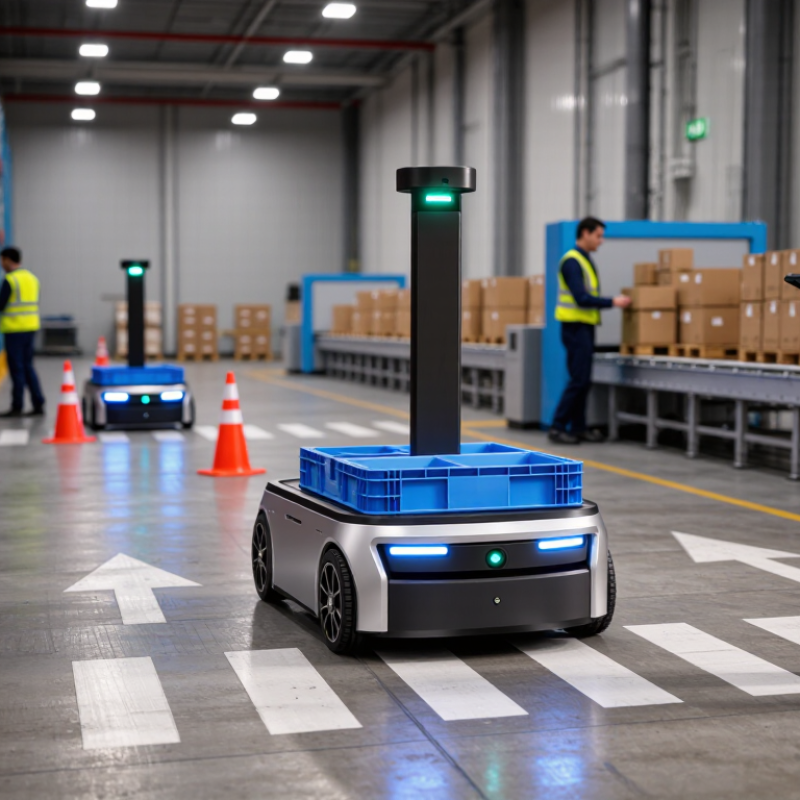
Agile robotics describes robotic systems that sense, decide, and act in changing work environments. In supply chains, these systems support picking, sorting, transport, and inventory checks. Unlike fixed automation, they can adjust routes when shelves, workers, or orders change. Small changes matter. A blocked aisle should not stop an entire operation.
The core technologies include autonomous mobile robots, computer vision, LiDAR, force sensors, and artificial intelligence. Mobile robots use sensor data to map floors and avoid people, pallets, and temporary obstacles.
Vision systems identify package sizes, labels, and damaged cartons. Fleet management software assigns tasks, balances traffic, and tracks battery levels. Some facilities also use digital twins to test layout changes before moving equipment.
In practice, effective deployment begins with a narrow, measurable workflow. A warehouse team might monitor travel time, picking accuracy, charging delays, and near-miss events. These figures reveal whether robotics improves work or merely shifts the bottleneck. Integration with inventory and order systems is essential, but it is rarely effortless. Older data structures can cause confusing instructions. Human oversight remains necessary, especially during unusual orders or sensor failures. Agile robotics offers strong adaptability, yet it still requires careful maintenance, staff training, and honest performance reviews.
Painfully honest reviews.
How Agile Robotics Supports Modern Supply Chain Operations
Agile robotics helps modern supply chains respond to changing orders, layouts, and labor conditions. Mobile robots can move totes between storage zones, picking stations, and packing areas. They reduce unnecessary walking and support steadier throughput during peak periods. Their value is not limited to speed. They also collect operational data, including travel time, queue length, and task completion rates. Managers can use these details to adjust workflows with greater confidence.
Effective deployment begins with a clear process review. Robots should connect with inventory software, barcode scanners, and safety controls. Human workers still handle exceptions, damaged goods, and judgment-based decisions. This shared model is usually more reliable than full automation. It also allows gradual expansion. A small pilot in one aisle can reveal charging delays, poor traffic patterns, or confusing instructions. The transition is not flawless. That matters. Teams should measure missed scans, order accuracy, downtime, and worker feedback before scaling.
Tips: Map repetitive movements first. Keep emergency access clear. Test during normal and peak shifts. Set human override procedures. Review performance weekly, not only after problems appear. Avoid chasing maximum speed; stable output often protects service quality. One overlooked detail can disrupt an entire dock.
Why Choose Agile Robotics for Your Supply Chain?
Agile robotics can improve warehouse responsiveness by increasing picking throughput, reducing operator travel, improving order accuracy, and shortening recovery time during demand or process changes.
Representative warehouse-operations benchmark values. Throughput is measured in order lines per labor hour; travel, accuracy, and recovery metrics reflect typical operational improvement targets reported in warehouse automation studies.
Key Benefits for Warehousing, Manufacturing, and Distribution
Why Choose Agile Robotics for Your Supply Chain?
Agile robotics supports warehousing, manufacturing, and distribution with flexible movement and repeatable handling. Mobile robots can reroute around workers, pallets, or temporary storage zones. This matters when order volumes change daily. The International Federation of Robotics reported 541,302 industrial robots were installed worldwide in 2023. That figure reflects growing trust in automated production, not a universal replacement for people.
In warehouses, agile systems can move totes between receiving, picking, and packing stations. They reduce walking time and help workers focus on exceptions. In manufacturing, robots can support machine tending, inspection, and component delivery. The 2024 MHI Annual Industry Report found that 55% of supply chain professionals were using robotics and automation. Adoption is real, but uneven. Some facilities still lack clean data, stable layouts, or trained technicians.
Distribution centers gain value through faster sortation and responsive replenishment. Robots can adjust routes when a dock closes or demand spikes. The 2024 State of Smart Manufacturing Report found that 86% of manufacturers expect smart manufacturing to strengthen competitiveness within five years. Yet speed alone is not enough. Poorly planned automation can create bottlenecks, maintenance delays, and frustrated staff. Start with one measurable workflow, test it during peak conditions, and question every performance claim. Small failures teach more than polished demonstrations.
Implementation Requirements and Integration Considerations
Choosing agile robotics is less about buying movable machines and more about preparing the operating environment. Implementation starts with a site survey. Measure aisle widths, floor conditions, Wi-Fi coverage, lighting, and charging locations. Map real workflows, including damaged cartons and urgent orders. These details expose integration risks before equipment arrives. A pilot should use representative products, not only clean test cases. Real work is messier.
The robotics layer must exchange reliable data with warehouse management, inventory, order, and transport systems. Use documented APIs, stable item identifiers, and clear ownership for every transaction. Define what happens when a scan fails or stock counts disagree. Human operators need visible alerts and simple recovery steps. Safety controls require physical separation, speed limits, emergency access, and documented training. Cybersecurity also matters. Segment networks, restrict permissions, and log system activity.
Technical readiness does not guarantee business value. Track pick accuracy, travel time, uptime, exception rates, and worker recovery time during the pilot. Compare results with a baseline taken before deployment. Review the data weekly with operations, engineering, and safety teams. One mistake is assuming the first layout is optimal. It rarely is. In practice, routes may need repeated adjustment, and integration rules may reveal unexpected gaps. Leave time and budget for those corrections. That gap hurts.
Challenges, Limitations, and Future Development Trends
Why Choose Agile Robotics for Your Supply Chain?
Agile robotics can adjust to changing orders, narrow aisles, and mixed product sizes. That flexibility matters when demand shifts faster than warehouse layouts. In practical trials, robots often reduce repetitive walking and improve handling consistency. Yet installation is rarely simple. Existing shelves, floor conditions, and software interfaces can create delays.
Limitations remain visible. Robots may struggle with reflective packaging, loose plastic, or unexpected obstacles. Battery charging can also interrupt peak-hour operations. A poorly planned deployment may move bottlenecks instead of removing them. Human workers still need training, supervision, and safe handover procedures. The expensive mistake is treating automation as a replacement for process design. It is not.
Future systems will likely combine mobile robots, vision sensors, and predictive analytics. Better models may identify congestion before it affects dispatch schedules. Modular equipment could help smaller warehouses expand gradually. Energy efficiency will become more important as fleets grow. Cybersecurity and data governance will also require stronger daily controls. This area is advancing quickly, but not perfectly. Real facilities are messier than test environments. Managers should measure travel time, error rates, downtime, and worker feedback before scaling. A useful pilot may begin with one aisle, one shift, and clear failure records.
Related Posts
-
2026 Best Cobot Robots for Global Buyers to Consider?
-
How to Choose the Best AMR Robot for Your Warehouse Operations
-
Top Advantages of Using Robot AMR in Warehousing and Logistics
-

Top 10 Must Have Robotics Products for Every Tech Enthusiast
-
Best Robotics Products to Buy in 2026 for Global Buyers?
-
How to Use AMR Robots for Your Business Operations Effectively?