Top AMR Robot Solutions for Efficient Warehousing and Delivery?
The rise of automation is transforming logistics. AMR robots are at the forefront of this change. These advanced machines enhance efficiency in warehousing and delivery. They streamline operations, reduce human error, and save time.
AMR robots navigate autonomously, adapting to various environments. They optimize inventory management and order fulfillment. Many businesses are already reaping the benefits. However, challenges remain. Integration of AMR robots can be complex. Workers may resist this technology, fearing job loss. Training is essential to ensure smooth adoption.
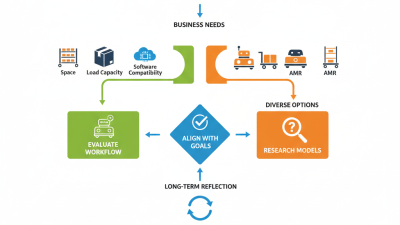
Various solutions exist, but not all fit every operation. Companies must evaluate their specific needs. Considering factors like size, layout, and workflow is crucial. Despite their advantages, reliance on AMR robots raises questions. Is full automation the best path? Balancing technology with human expertise remains vital for success.
Overview of AMR Technology in Warehousing and Delivery
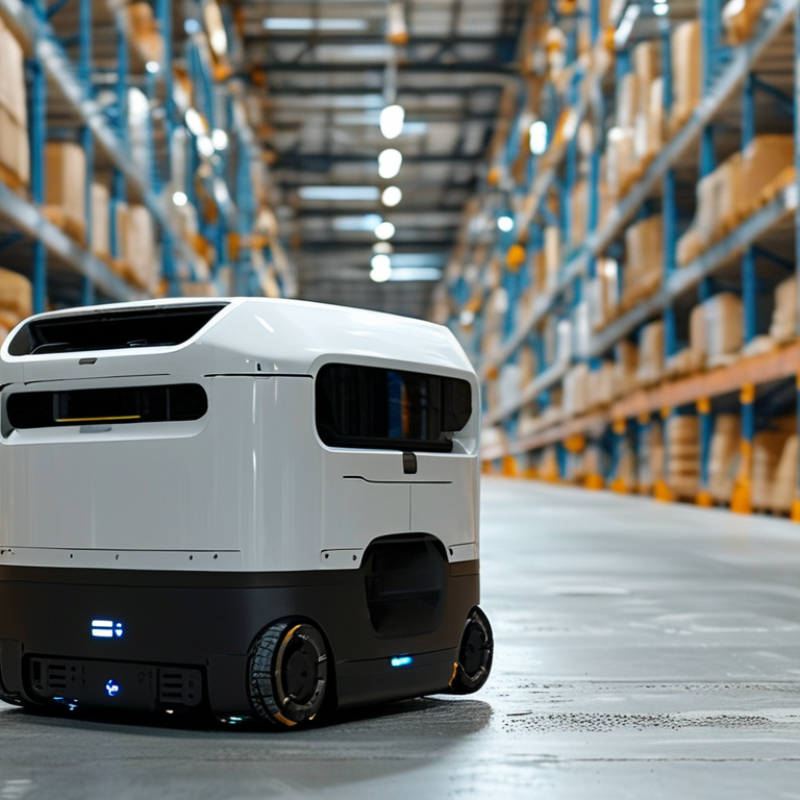
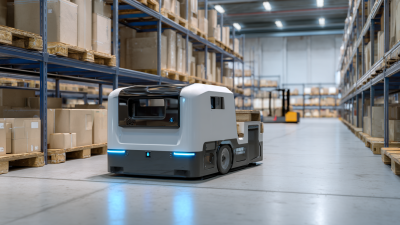
Autonomous Mobile Robots (AMRs) are revolutionizing the warehousing and delivery sectors. These robots excel in navigating complex environments. Equipped with advanced sensors and AI-driven algorithms, they map and understand their surroundings in real-time. This technology allows them to work alongside human employees efficiently. They can transport goods from one area to another, reducing manual labor and time spent on tasks.
These systems enhance productivity and accuracy in order fulfillment. However, challenges exist. Not all AMRs can handle various terrains or unexpected obstacles effectively. Some may struggle with integration into existing systems or require significant infrastructure changes. It’s essential to assess whether the benefits outweigh the costs in each unique warehouse setting.
Despite their advantages, AMRs are not a catch-all solution. Employee training is crucial for optimal performance. Staff must learn to adapt to a collaborative working environment with robots. Continuous monitoring and maintenance are also necessary to ensure that robots function smoothly. As the technology matures, more insights will emerge, guiding users toward more effective implementations in warehousing and delivery.
Key Features of Top AMR Robot Solutions
Autonomous Mobile Robots (AMRs) have transformed warehousing and delivery processes. Companies using AMRs report efficiency improvements of up to 30%. These robots excel in navigation, allowing quick movement through complex environments. Advanced mapping technology helps them adapt to changing layouts and obstacles. Real-time data integration enhances their operational capacity, allowing seamless interactions with warehouse management systems.
Key features distinguish top AMR solutions. Many incorporate artificial intelligence to optimize routes and reduce transit times. Battery life is crucial; robots should operate for long shifts to minimize downtime. Some models feature modular designs, enabling easy upgrades and maintenance. Reports indicate that 70% of logistics managers prioritize scalability in their AMR investments. This indicates a shift towards flexible solutions that can grow with business needs.
However, challenges exist. Implementation costs can be significant, sometimes deterring smaller enterprises. Not all AMRs perform equally well in all environments, raising questions about their adaptability. Data from industry analysts suggest that user training is often overlooked, leading to underutilization. Some companies report initial disruptions during system integrations. These experiences highlight the importance of thorough planning and execution.
Comparative Analysis of Leading AMR Robot Brands
In the realm of warehouse automation, assessing leading AMR robot brands is crucial for optimizing efficiency. A comprehensive analysis reveals varied capabilities across different models. Some robots excel in navigation, making them ideal for complex warehouse layouts. Others prioritize load capacity, handling heavier items with ease. Each robot’s processing speed also varies, impacting overall workflow.
User reviews show a spectrum of experiences, pointing to the importance of selecting the right solution. For instance, some robots struggle with tight spaces, requiring users to reconsider their layouts. Battery life is another factor. While some models can operate for hours, others may fail during peak times. This inconsistency can lead to operational downtime.
Performance metrics often reveal a trade-off. Higher speeds can result in fewer errors, but they may compromise navigational accuracy. Users express the need for adaptable solutions that can handle a wide range of tasks effectively. The challenge remains to find a balance between speed, reliability, and adaptability. Future developments may focus on improving these aspects, ensuring seamless integration within existing systems.
Comparison of AMR Robot Efficiency in Warehousing and Delivery
This chart compares the efficiency of different AMR robots in terms of payload capacity, charging time, and delivery speed. The data highlights the performance metrics that are critical for effective warehousing and delivery operations.
Best Practices for Implementing AMR Robots in Warehouses
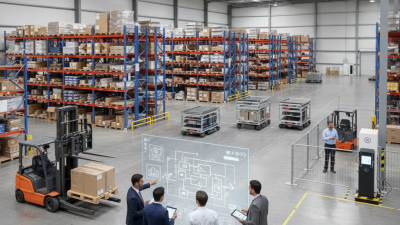
Implementing AMR (Autonomous Mobile Robot) solutions in warehouses can greatly enhance efficiency and streamline operations. The process, however, is not entirely seamless. Organizations often face challenges related to integration and employee adaptation. It's crucial to invest time in understanding the specific needs of your warehouse before introducing AMR technology.
Conducting a thorough site assessment can prevent future headaches. Analyze workflow trends and identify bottlenecks. This detailed assessment informs the selection of AMR robots that can optimize specific tasks. Engage employees early in the process. Their insights can help in choosing the right solutions and easing the transition.
Training is a critical part of this implementation. Many organizations underestimate the importance of proper training. Ensure your staff feels comfortable around AMR robots. Conduct regular workshops and training sessions to address common concerns and encourage feedback. This approach fosters a collaborative atmosphere that minimizes resistance.
Consider starting with a pilot program. Implementing AMRs in a small area allows for trial and error without significant disruptions. Evaluate performance and gather data to make informed decisions. Additionally, be prepared for adjustments. Continuous improvement is key to realizing the full potential of AMR technology in warehousing.
Top AMR Robot Solutions for Efficient Warehousing and Delivery
| Solution Type |
Key Features |
Benefits |
Implementation Time |
Cost Efficiency |
| Autonomous Mobile Robots |
Navigation, Object Detection, Fleet Management |
Increased Productivity, Reduced Labor Costs |
3-6 Months |
High ROI |
| Automated Guided Vehicles (AGVs) |
Fixed Path, Wireless Communication |
Consistency, Lower Operational Costs |
6-12 Months |
Moderate ROI |
| Robotic Picking Systems |
AI Integration, Advanced Gripping Mechanisms |
Precision, Reduced Error Rates |
4-8 Months |
High Efficiency |
| Inventory Management Robots |
Barcode Scanning, Real-time Tracking |
Improved Inventory Accuracy |
2-5 Months |
Cost Effective |
| Delivery Drones |
Aerial Navigation, Fast Delivery |
Speed, Reduced Delivery Times |
5-10 Months |
Varies by Region |
Future Trends in AMR Robotics for Efficient Logistics
The landscape of AMR robotics in logistics is evolving rapidly. As companies adopt autonomous mobile robots, efficiency improves significantly. These robots enhance workflows in warehousing and delivery processes. They navigate intricate spaces, allowing for better utilization of storage areas. With advanced technologies such as AI and machine learning, AMRs adapt to changing environments effectively.
Future trends indicate a shift towards collaboration between humans and AMRs. While robots handle repetitive tasks, human workers focus on complex operations. This synergy optimizes productivity and job satisfaction. Additionally, sustainability is becoming a priority. Tomorrow’s AMRs will likely incorporate eco-friendly materials and energy-efficient systems.
Challenges remain in this tech-driven environment. Integration with existing systems can be complex. Organizations must invest time and resources in training and development. Some companies may face resistance to adopting new technologies. Reflecting on these hurdles is essential for seamless implementation. Addressing these concerns will pave the way for successful logistics solutions.