What Are the Best Robotics Careers in 2026?

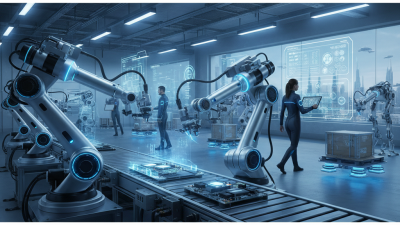
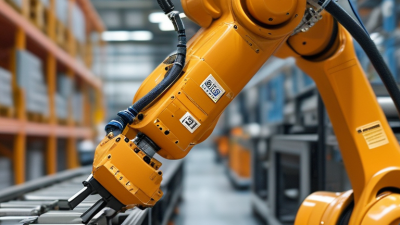
Robotics careers in 2026 reach far beyond building humanoid machines. They include designing control systems, training perception software, integrating sensors, and keeping robots dependable in real workplaces. A robotic arm may sort parcels under warehouse lights; a mobile robot may carry supplies through a hospital corridor. Each task depends on people who can connect code, hardware, and practical needs.

AI researcher and robotics entrepreneur Andrew Ng has said, “AI is the new electricity.” His observation helps explain why robotics work increasingly draws on artificial intelligence, while still relying on mechanical, electrical, and systems expertise. The strongest career choice may depend less on a fashionable job title than on the problems you want to solve. Controls engineers, robotics software developers, field technicians, and safety specialists all contribute in different ways. The work is tangible. But it can also involve debugging a sensor that fails under changing light, or adjusting a robot that behaves differently outside a simulation.

This guide explores promising robotics careers, the skills employers commonly seek, and the industries creating real opportunities. It will also consider education routes and the limits of current hiring trends. Job prospects vary by region, experience, and employer; no career path guarantees quick success. Some roles may sound more exciting than they feel on an ordinary Tuesday. That is worth remembering. A careful look at daily tasks can help readers choose a path that fits their strengths—and notice where their assumptions may be wrong.
What Are the Best Robotics Careers in 2026?

How Robotics Careers Are Defined and Evaluated in 2026

In 2026, a robotics career is better defined by its work than by its title. A “robotics engineer” might design motion plans, tune sensors, validate safety, or maintain production cells. The boundaries are messy. A technician diagnosing a gripper fault at 2 a.m. may use more robotics expertise than someone with a robotics title. Evaluate the actual tasks: integration, controls, perception, maintenance, testing, and human-robot interaction. Also consider the role’s autonomy, safety responsibilities, and field troubleshooting.

Industry data offers context, not a career ranking. The International Federation of Robotics’ World Robotics 2024 report counted 4,281,585 industrial robots operating worldwide in 2023, a 10% rise from 2022. That installed base supports careers in deployment, reliability, and ongoing service—not only robot design. The World Economic Forum’s Future of Jobs Report 2025 projects that 39% of workers’ core skills will change by 2030. Learning speed and cross-functional fluency therefore matter alongside pay and openings. Look for concrete evidence: projects that improved cycle time, safer handoffs, or repeat-fault rates. Numbers don’t settle everything. Job titles vary, and public forecasts rarely isolate robotics roles; compare actual duties and local postings before choosing.

Leading Robotics Roles Across Design, Software, and Operations

Robotics careers in 2026 span more than building machines. Mechanical and mechatronics engineers shape frames, joints, grippers, and sensor mounts. They test whether a robot can reach a shelf without tipping or crushing a delicate item. Small design choices matter. A cable routed poorly can snag during a routine turn. The work rewards people who enjoy prototypes, measurement, and revising ideas that looked perfect on screen.

Software roles connect perception with action. Robotics developers write code for mapping, motion planning, and control, then test it against real sensor data. A camera may misread a reflective floor; a wheel encoder may drift. These are ordinary engineering problems, not rare exceptions. Skills in programming, simulation, and system testing help, but judgment grows through hands-on debugging. I would not treat simulation as proof that a robot is ready.

Operations roles keep robotic systems useful after installation. Field engineers diagnose faults, while technicians inspect grippers, replace worn parts, and record recurring issues. Automation specialists also coordinate with operators to improve workflows without ignoring human needs. The best fixes are sometimes modest: adjusting a sensor bracket or changing a maintenance interval. There is no single ideal path. People entering the field may need to learn both technical detail and patient communication.

Skills and Education Needed for Robotics Careers

Robotics careers in 2026 will call for a blend of mechanical, electrical, and software skills. A robot may look like one machine, but its movement depends on motors, sensors, wiring, and code working together. Engineers often need fundamentals in algebra, physics, programming, and control systems. That is a lot to connect.

A university degree in robotics, engineering, computer science, or a related field can offer strong foundations. Technical programs and apprenticeships may also prepare people for assembly, maintenance, and testing roles. The right path depends on the work: designing robot arms differs from diagnosing a faulty sensor on a production line. Hands-on practice matters. Build a small wheeled robot, then record how it behaves on different surfaces. Note the failures, not just the successful run.

Employers may look for skills in Python or C++, CAD, electronics, simulation, and systematic troubleshooting. Communication matters too; technicians and engineers must explain faults clearly and document changes. A portfolio can show wiring diagrams, test results, and code, while making a person’s contribution easy to verify. One imperfect lesson: a robot that works once is not necessarily reliable. Repeating tests, checking edge cases, and asking for feedback can reveal weak assumptions before they become costly problems.

What Are the Best Robotics Careers in 2026? — Skills and Education Needed
Career Typical Responsibilities Common Education Path Useful Skills Good Fit For
Robotics Software Engineer Develops software that coordinates robot movement, sensors, communication, and task execution; tests and debugs software on simulated or physical robots. Bachelor’s degree in computer science, robotics, or a related engineering field is common. A portfolio of robotics projects can demonstrate practical ability. Programming, algorithms, data structures, Linux, software testing, robot operating systems, and version control. People who enjoy programming and connecting software to physical machines.
Controls and Automation Engineer Designs and tunes control systems for machines and automated processes; helps ensure equipment operates safely, accurately, and reliably. Bachelor’s degree in electrical, mechanical, or controls engineering is common. Relevant internships and laboratory work are useful. Control theory, sensors, actuators, feedback systems, programming, troubleshooting, and safety practices. People interested in how machines respond to commands and changing conditions.
Mechanical Design Engineer Designs robot structures, joints, grippers, and mechanisms; evaluates strength, movement, materials, and manufacturability. Bachelor’s degree in mechanical engineering or a related field is typical. Design projects and hands-on prototyping add practical experience. CAD, mechanics, materials, motion analysis, prototyping, manufacturing processes, and technical communication. People who like designing and building physical systems.
Robotics Perception or Machine Learning Engineer Builds systems that help robots interpret sensor data, recognize objects, estimate position, or make predictions. Bachelor’s degree in computer science, electrical engineering, or a related field is common; advanced research roles may require a master’s or doctorate. Python or C++, linear algebra, probability, machine learning, computer vision, sensor data, and model evaluation. People interested in artificial intelligence, mathematics, and making robots interpret their surroundings.
Robotics Systems Integration Engineer Connects robot hardware, software, sensors, and production equipment; tests complete systems and resolves integration problems. Bachelor’s degree in engineering is common. Some employers also consider candidates with strong technician experience and relevant training. Systems thinking, troubleshooting, networking, controls, documentation, project coordination, and safety procedures. People who enjoy combining different technologies and solving practical, cross-disciplinary problems.
Robotics Technician Builds, installs, inspects, maintains, and repairs robotic or automated equipment; supports engineers during testing and commissioning. An associate degree, technical diploma, or postsecondary certificate in mechatronics, electronics, or a related area is common; requirements vary by role. Electrical and mechanical troubleshooting, reading diagrams, calibration, hand tools, measurement, and safe equipment handling. People who prefer hands-on work and want a practical entry route into robotics.
Robotics Research Scientist Investigates new methods in areas such as robot learning, manipulation, navigation, or human-robot interaction; publishes and evaluates research. A doctorate is common for independent research positions. A master’s degree may qualify candidates for some applied research roles. Advanced mathematics, programming, experimental design, robotics theory, scientific writing, and research communication. People who enjoy open-ended technical questions and long-term experimentation.
Robotics Product or Test Engineer Defines product requirements, designs test plans, evaluates performance, and investigates failures before or after deployment. Bachelor’s degree in engineering or computer science is common; the best preparation depends on whether the role focuses on hardware, software, or systems. Test design, data analysis, requirements writing, debugging, reliability concepts, and clear reporting. People who are detail-oriented and enjoy checking that complex systems work as intended.
Education and skill requirements are typical pathways, not universal rules; employers may accept equivalent experience. Robotics is an interdisciplinary field, and job titles and requirements vary across industries and regions. This table describes career paths rather than guaranteeing employment or earnings.

Industries Driving Demand for Robotics Professionals

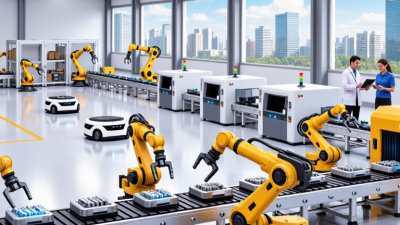
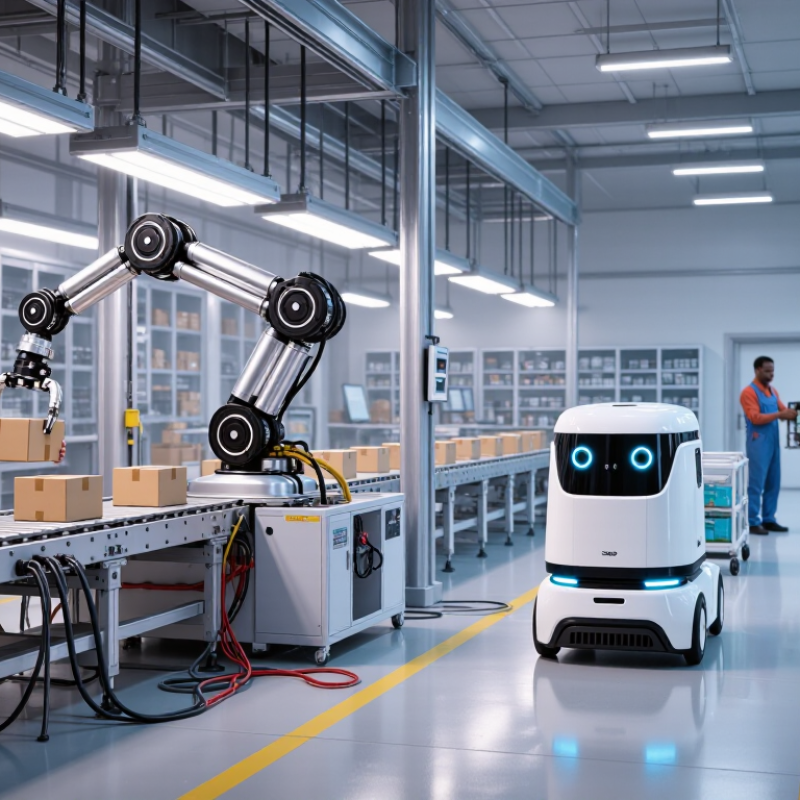
Robotics demand in 2026 is shaped by practical problems across several industries. In manufacturing, employers need engineers and technicians who can program robot arms, check sensors, and troubleshoot production-line faults. A misaligned gripper can stop a shift. Careful testing matters. Logistics operations also use mobile robots to move totes through busy warehouses, creating demand for specialists in navigation, fleet coordination, and equipment maintenance. Yet automation does not remove every bottleneck; poorly planned routes can create new ones.

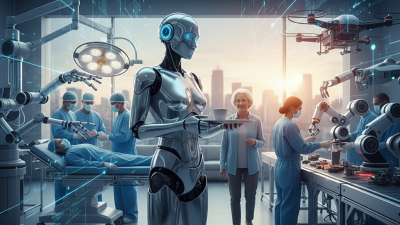
Healthcare organizations are exploring robots for tasks such as moving supplies and assisting with repetitive procedures. These roles call for strong technical skills and close attention to clinical workflows, privacy, and safety. Agriculture offers different challenges: uneven ground, changing light, and delicate crops make field robots difficult to design and maintain. Energy and construction companies also need robotics professionals to inspect remote or hazardous infrastructure, often using cameras, sensors, and remotely operated equipment. Employers may value people who can connect mechanical systems with software and explain failures clearly. The work is not always glamorous. Maintenance logs count. So does admitting when a system needs more testing.

How to Choose a Robotics Career Path in 2026

What Are the Best Robotics Careers in 2026?

How to Choose a Robotics Career Path in 2026

The right robotics career depends on what you enjoy building, testing, or improving. If you like circuits and sensors, explore robotics hardware or electrical engineering. Prefer code and problem-solving? Look at robot software, perception, or controls. The work can be hands-on: tracing a loose cable, tuning a gripper, or reviewing sensor data after a failed test. Patience matters.

Check where robotics skills are being used. The International Federation of Robotics reported 4.28 million industrial robots operating worldwide in 2023, up 10% from the previous year. This growth supports roles in integration, maintenance, safety, and automation, not only robot design. The U.S. Bureau of Labor Statistics projects employment of mechanical engineers to grow 11% from 2023 to 2033, and software developers 17%. These figures cover broad occupations, not robotics jobs alone. That distinction is easy to miss.

Compare daily tasks before choosing a degree or training route. Read job descriptions, build a small project, and ask practitioners what their workdays actually involve. A robot may look impressive in a demonstration; debugging it can mean hours of careful repetition. You may change direction. That’s normal. Check whether local employers need technicians, controls engineers, or software specialists, then choose coursework that builds the relevant skills.

Scroll to Top