What Are the Best Types of Laboratory Robotics in 2026?
In 2026, laboratory robotics is less about buying one impressive machine and more about matching tools to real workflows. A liquid-handling robot can pipette across a 96-well plate; a mobile robot can move samples between instruments. Automated sample preparation and collaborative systems solve different bottlenecks. Small details matter, including deck space, instrument compatibility, cleaning routines, and the time staff need to learn each system.
The market is growing, but market size alone cannot identify the best robot for a particular lab. Grand View Research estimated the global laboratory automation market at USD 5.34 billion in 2023, with a projected value of USD 9.11 billion by 2030. That category is broader than robotics, so the figures offer context, not a robotics-only forecast. In research published in Science, robotics expert Ross King and co-authors described Adam as “the first machine to discover new scientific knowledge.” Their work illustrates the scientific potential of automation, not a promise that robots can independently replace laboratory judgment.
The strongest choice depends on the task, sample volume, and acceptable error rate. A high-throughput screening lab may favor robotic liquid handling; a diagnostic team may value reliable sample tracking and preparation. There is no universal winner. Even advanced systems can add maintenance, integration costs, and awkward workflow constraints. This guide compares the main types of laboratory robotics in 2026, their practical strengths, and the trade-offs buyers should examine before investing. One caveat remains: published market estimates and vendor performance claims use different methods, so readers should check the underlying definitions and validation data.
How Laboratory Robotics Are Classified in 2026
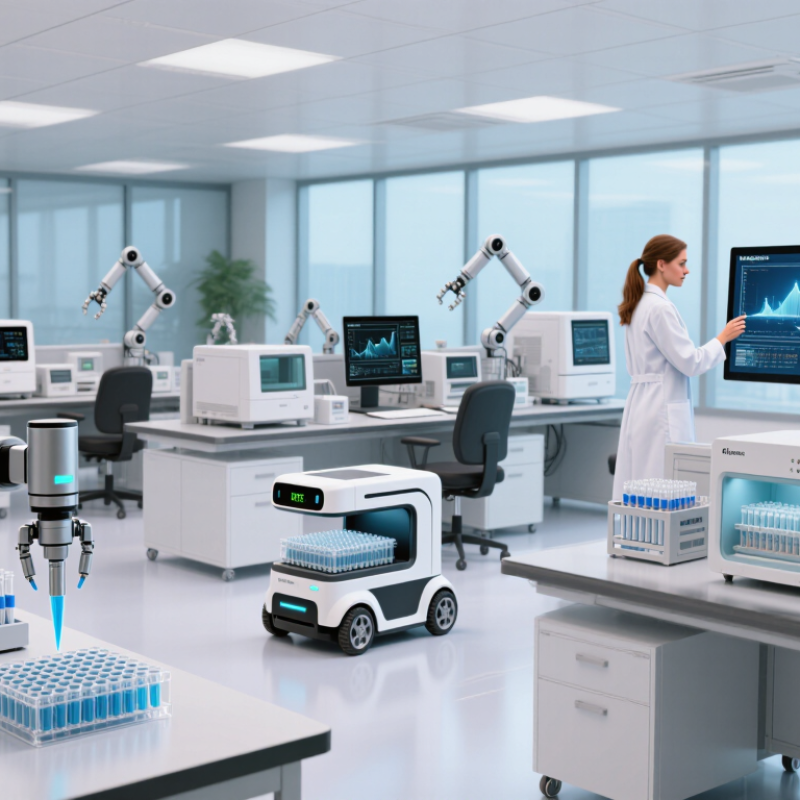
In 2026, laboratory robotics are best classified by their tasks, movement, and degree of integration—not by appearance alone. Liquid-handling systems dispense measured volumes into tubes or microplates, supporting repeatable work such as reagent preparation. Small errors matter. Calibration, liquid properties, and tip selection can all affect results.
Articulated robotic arms transfer plates, racks, and capped tubes between instruments. They suit connected workflows where precise timing and consistent handoffs are important. Mobile robots move samples or supplies between benches and rooms. Their performance depends on clear routes, reliable navigation, and safe interaction with staff. A robot that travels smoothly across an open floor may struggle around crowded carts.
Another useful distinction is automation scope. Standalone robots perform a defined task, while integrated platforms coordinate instruments through scheduling and data exchange. Storage-and-retrieval robots manage sample access, sometimes within temperature-controlled units. These categories can overlap: one platform may combine arm movement, liquid handling, and storage. The labels are not always tidy. When assessing a system, laboratories should consider sample type, throughput, traceability, cleaning requirements, and error recovery. The practical question is whether the workflow can be checked and maintained consistently.
Major Types of Laboratory Robots and Their Core Functions
Laboratory robots in 2026 are best judged by the task they handle, not by how futuristic they look. Liquid-handling systems dispense precise volumes into tubes and microplates, supporting repetitive assays with less manual pipetting. Automated plate handlers move samples between readers, incubators, and washers. Together, these systems can reduce routine transfers and help standardize timing. Small details matter.
Robotic arms load instruments, cap vials, and prepare samples for analysis. Mobile robots transport racks between workstations, especially in larger facilities with frequent handoffs. Automated storage systems retrieve samples under controlled conditions and track their locations. The right choice depends on workflow, sample volume, and how easily equipment can connect to existing instruments. Not always a simple fit.
Grand View Research’s Laboratory Automation Market report estimated the global market at USD 7.1 billion in 2023 and projected 5.4% annual growth from 2024 to 2030. This figure covers laboratory automation broadly, not robot sales alone. That distinction matters when comparing market growth with demand for a specific robot type. Even a capable system can create extra work if staff must repeatedly reload racks or correct poorly integrated data. Teams should test those handoffs before scaling automation.
Key Capabilities That Distinguish Leading Robot Types
In a 2026 laboratory, the best robot depends on the task, not a ranking. Liquid-handling robots suit repeated pipetting, while articulated arms can move tubes, racks, or plates between instruments. Mobile robots add value when samples must travel across separate work areas. Each type solves a different bottleneck.
Look beyond speed. A useful system handles the lab’s actual vessels, pipette ranges, and workflow variations. Small details matter. Reliable liquid handlers control dispensing volume and detect common errors, while plate-handling robots need secure gripping and accurate placement. Imaging robots should produce consistent focus and illumination, not merely sharp-looking pictures. For mobile units, route planning, obstacle detection, and safe handoffs affect daily performance.
Recovery matters too. Ask how a robot reports a missed pickup, a blocked route, or a liquid-level warning. Clear logs and straightforward restart procedures help staff investigate errors instead of repeating an entire run. Integration with instruments and sample-tracking software also needs testing with real protocols. A demo can look effortless; routine work may not. Even a well-chosen robot can add maintenance and training demands, so that trade-off deserves an honest review.
What Are the Best Types of Laboratory Robotics in 2026?
Key capabilities that distinguish leading robot types
Illustrative capability ratings on a 1–5 scale, based on typical use cases—not standardized performance specifications. Actual performance varies by model, configuration, and application. Liquid-handling workstations specialize in repetitive pipetting; gantry systems support precise, repeatable movement across fixed work areas; articulated and collaborative arms offer flexible manipulation; mobile robots move materials between workstations.
How Laboratories Match Robots to Tasks and Workflows
Selecting laboratory robotics starts with the work, not the machine.
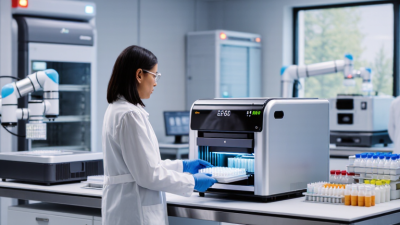
A liquid-handling robot may suit repeated transfers between a sample rack and a microplate. A flexible arm can move plates between instruments, while a specialized system may handle imaging or sample preparation. Each task has different demands.
Measure practical constraints.
How many samples arrive per shift? Do tube sizes vary? Is contamination control critical? Note the bench space, instrument locations, and steps where staff currently wait. Small details matter. A barcode scan or plate-lid removal can interrupt an otherwise smooth sequence. Robots should fit these handoffs, not merely repeat one isolated motion.
Map the workflow from sample arrival to data review,
including exceptions such as a missing tube or a delayed instrument. Check whether the robot’s gripper, reach, and payload suit the actual vessels. Confirm that software can exchange sample identities and status with existing systems. Then test representative runs, including awkward cases. No map is perfect. A carefully planned setup can still feel clumsy when real samples vary. Keep people responsible for reviewing alerts, verifying results, and deciding when a workflow needs adjustment.
Factors for Evaluating Laboratory Robotics in 2026
Choosing laboratory robotics in 2026 starts with the work, not the machine.
Map each task: tube handling, liquid transfer, imaging, or sample storage. Then compare precision, throughput, repeatability, and recovery after errors. A fast system is not useful if small spills or misaligned racks stop the workflow.
The International Federation of Robotics reported 4.28 million industrial robots operating worldwide in 2023 in its World Robotics 2024 report. This is a broad automation benchmark, not a laboratory-specific measure. For a lab, evaluate integration with existing instruments, traceable data records, cleaning needs, operator training, uptime, and service access. Ask vendors to demonstrate your actual workflow, including awkward sample formats. A polished demonstration can hide fragile handoffs.
Tips: Measure cycle time and error rates during a pilot. Test recovery, too. Count hands-on minutes, consumables, and downtime before comparing total costs. Keep a manual fallback for critical steps; automation reduces routine work, but it does not remove the need for review. The evaluation may still miss rare failures, so record them as the system runs.