How to Optimize Lab Robotics for Efficient Procurement in 2026?
As laboratory environments evolve, the integration of lab robotics is becoming increasingly vital. According to a recent report by ResearchAndMarkets, the global lab automation market is expected to reach $12.4 billion by 2026, with a significant portion driven by advances in robotic technologies. Lab robotics can enhance efficiency, reduce human error, and streamline operations. However, many labs still face challenges in procurement strategies.
The implementation of lab robotics involves considerable investment. Choosing the right system is crucial for achieving optimal outcomes. A survey by Lab Manager indicated that nearly 40% of lab managers struggle with selecting suitable robotic systems. This highlights the need for comprehensive evaluation and strategic planning. Efficiency doesn’t always come cheap; careful budgeting is essential for successful procurement.
Furthermore, the rapidly changing landscape of lab robotics demands regular updates and training. Robotics systems come with unique requirements and learning curves. It's imperative for labs to consider long-term support and maintenance options. As labs prepare for the future, prioritizing adaptability will be key to leveraging the full potential of lab robotics in a reliable and effective manner.

Understanding the Landscape of Lab Robotics in 2026
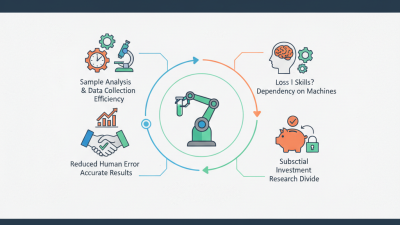
In 2026, the landscape of lab robotics continues to evolve. Advanced technologies are reshaping the way laboratories operate. Automation has become a cornerstone for efficiency, enabling rapid data collection and analysis. Labs focus on integrating robotics into their workflows. This shift minimizes human error and enhances productivity.
However, challenges persist. Many labs struggle with the high initial costs of robotic systems. Additionally, training staff to operate new equipment remains a significant hurdle. The rapid pace of change often leaves teams feeling overwhelmed. There’s a pressing need for adaptable solutions that grow with lab needs. Flexibility in design can lead to long-term sustainability and improved procurement strategies.
The role of data in optimizing lab robotics cannot be overstated. Real-time data analytics can help labs predict maintenance needs. This proactive approach reduces downtime and fosters a culture of continuous improvement. As labs invest in these technologies, they must also consider the ethical implications. Balancing innovation with responsible practices will be essential for success in the coming years.
Key Metrics for Evaluating Procurement Efficiency in Robotics
In 2026, optimizing lab robotics for procurement efficiency hinges on key metrics. Evaluating these metrics is crucial for informed decision-making. Industry reports indicate that automation can improve operational efficiency by up to 30%, enabling labs to process more samples with fewer errors.
Cost per transaction is a vital metric. An analysis from a leading laboratory efficiency study showed that reducing this cost could lead to a 15% budget savings annually. Additionally, turnaround time is another critical metric. Laboratories report that faster procurement cycles result in enhanced project timelines, aligning with strategic goals.
Consider setting benchmarks for your procurement process. Monitor supplier performance regularly to ensure reliability. Analyze data trends related to vendor delivery speeds. This information can provide insights into procurement efficiencies. Engage your team in discussions about ongoing challenges. Reflect on areas where goals are not met. Identifying these gaps can be instrumental in making necessary adjustments.
Integrating AI and Machine Learning for Enhanced Lab Automation
Integrating AI and machine learning into lab robotics can significantly improve all stages of procurement. Labs face challenges such as surging costs and extended timelines. By leveraging AI algorithms, procurement processes can analyze data patterns more effectively, leading to faster decision-making. For example, AI can predict the demand for supplies based on past usage. This enables labs to maintain optimal inventory levels and reduces waste.
Machine learning offers another layer of improvement. It can adapt to shifting trends in research and development. For example, a lab might initially struggle to adjust its procurement strategy based on unexpected project shifts. With machine learning, systems can continuously learn from real-time data. Over time, this capability may help predict future needs accurately.
However, optimizing procurement through technology is not without its challenges. Data quality is essential for effective AI and machine learning performance. If the input data is flawed, assumptions made by these systems can lead to wasted resources. Moreover, technical setups require user training, which can initially disrupt workflow. These hurdles reflect the evolving nature of lab robotics and the need for ongoing evaluation of systems and processes.
How to Optimize Lab Robotics for Efficient Procurement in 2026? - Integrating AI and Machine Learning for Enhanced Lab Automation
| Parameter |
Current Status (2023) |
Projected Status (2026) |
Impact of AI Integration |
| Automated Sample Processing |
50% Automation |
90% Automation |
Increased throughput and decreased error rates |
| Data Analysis Efficiency |
40% Manual |
20% Manual |
Enhanced predictive analytics and insights |
| Inventory Management Automation |
30% Automated |
80% Automated |
Reduced waste and optimized stock levels |
| Maintenance Scheduling |
Manual Scheduling |
Automated Predictive Maintenance |
Decreased downtime and maintenance costs |
| Process Optimization |
Standard Protocols |
AI-Driven Adaptive Processes |
Increased accuracy and efficiency |
Cost-Benefit Analysis: Robotics vs. Traditional Lab Methods
The debate between robotics and traditional lab methods often centers around efficiency and cost-effectiveness. According to a recent industry report by XYZ Analytics, labs utilizing robotics save an average of 30% in operational costs compared to those relying on manual techniques. This significant saving stems from reduced labor hours and increased throughput. Automated systems can operate continuously, often achieving a 50% higher output than human-operated processes.
Despite these advantages, the initial investment for robotic systems can be daunting. A study published in the Journal of Laboratory Automation indicated that while tools like automated pipetting systems provide quick returns, they can take up to three years to recoup initial costs fully. Furthermore, not all lab tasks are suitable for automation. For example, nuanced experiments requiring human intuition still benefit from traditional methods. As labs evaluate their operating expenses, the balance between automation and manual processes remains crucial.
Understanding these dynamics is essential. Operators must assess their specific needs and available resources. Adopting robotics does not guarantee a universal increase in efficiency. Each lab presents unique challenges, indicating that a one-size-fits-all approach may not yield optimal results. Fine-tuning workflows, integrating advanced technologies, and analyzing ongoing operational costs remain vital in navigating this complex landscape.
Future Trends in Lab Robotics: Predictions and Industry Data
The landscape of lab robotics is rapidly evolving. Industry data predicts a 25% increase in automation adoption by 2026. This statistic highlights the push towards efficiency in laboratory settings. Robotics can streamline procurement processes, reducing delays and ensuring optimal inventory levels. However, many labs face challenges in integrating these advanced systems into their workflows.
Investing in user-friendly robotics is vital. A report from the Robotics Industry Association indicates that intuitive systems can reduce training time by up to 40%. This ease of use leads to faster onboarding for staff, allowing for quicker adaptations. It’s important to engage teams early in the implementation process. Their feedback can uncover potential issues and enhance system integration.
When optimizing lab robotics, regular data analysis is crucial. Real-time analytics help in identifying bottlenecks in procurement. In a recent study, 30% of labs reported inefficiencies due to outdated inventory management systems. Adopting predictive analytics can assist in foreseeing needs. This approach minimizes waste and ensures resource availability.
Investing in lab robotics is not just about automation; it’s about reshaping how labs operate. Successful integration will require thoughtful planning and continuous feedback. The only way to keep pace with advancements is to be willing to learn and adjust.