How to Create a Robot for Your Business in 2026?
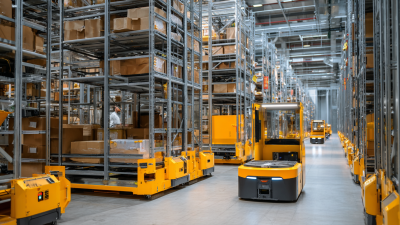
In 2026, building a business robot is no longer a futuristic experiment. It is an operational decision. Warehouses, clinics, farms, and factories now use robots for repetitive, precise, and physically demanding work. The International Federation of Robotics reported 541,302 industrial robots installed worldwide in 2023, with more than 4.28 million operating globally. That scale signals opportunity, but it also raises expectations.
To create robot solutions successfully, companies must begin with a measurable problem. A mobile robot may reduce walking time between storage aisles. A vision system may detect damaged packaging under harsh factory lights. These details matter more than impressive demonstrations. Rodney Brooks, roboticist and founder of iRobot and Rethink Robotics, once said, “The robots are coming, but they are not going to take all the jobs.” His point remains useful: automation usually changes tasks before it removes entire roles.
The World Economic Forum’s Future of Jobs Report 2025 identifies robotics and autonomous systems as major forces reshaping work through 2030. However, reports cannot replace direct testing. A pilot robot may perform well in a clean showroom, then fail beside dust, noise, or uneven flooring. Business leaders should measure safety, maintenance, integration costs, training time, and payback. The answer may not be a custom machine. Sometimes, a simple robotic arm or software upgrade is better. That is an uncomfortable conclusion, but reliable engineering begins with honest limits.
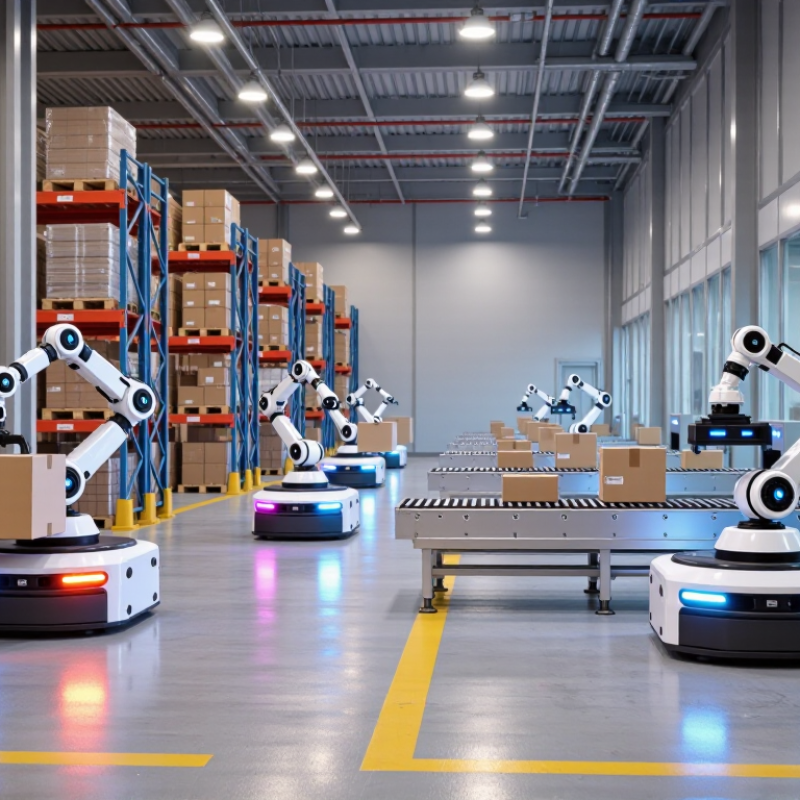
Define the Business Problem and Robot’s Intended Role
How to Create a Robot for Your Business in 2026?
Define the Business Problem and Robot’s Intended Role
A useful robot begins with a measurable business problem, not impressive hardware. Identify one repeated task that consumes time, creates errors, or exposes workers to avoidable strain. For example, a warehouse may need help moving 15-kilogram containers across a 40-meter route. That need is clearer than “we want an intelligent robot.”
Describe the robot’s intended role in practical terms. Will it transport materials, inspect equipment, sort items, or support customer service? Define where it operates, who interacts with it, and when it must stop. Record floor conditions, lighting changes, noise levels, door widths, and nearby people. These details often reveal design limits before development begins. A robot that works perfectly on a clean test floor may fail beside a crowded loading area.
Set success measures before choosing components. Useful measures include task completion time, error frequency, maintenance hours, and safe human handoffs. Keep a person responsible for unusual situations and emergency decisions. Do not assign the robot duties that its sensors cannot reliably judge.
The first plan may be wrong. That is normal. Teams sometimes automate a visible task while ignoring the delay around it. A short observation period can expose this mistake. Watch the real workflow for several shifts, interview operators, and document exceptions. Then adjust the robot’s role before spending heavily on construction or software.
Select the Robot Type, Features, and Operating Environment
How to Create a Robot for Your Business in 2026?
Selecting the robot type starts with the work, not the machine. Industrial robots suit fixed, repetitive production tasks. Autonomous mobile robots fit warehouses with changing routes. Collaborative robots can support workers near shared workspaces, but they still require documented risk assessments. The International Federation of Robotics reported 541,302 industrial robot installations in 2023. Its World Robotics 2024 report also recorded 4.28 million industrial robots operating worldwide. Demand is real. Suitability is not guaranteed.
Define the payload, reach, speed, accuracy, and daily operating hours. Then test the robot beside the actual workflow. A vision system may need stable lighting, clean lenses, and clear contrast. A mobile unit needs level floors, reliable connectivity, safe pedestrian zones, and charging access. Temperature, dust, noise, and narrow aisles can change performance quickly. The 2024 World Robotics Service Robots report recorded almost 200,000 professional service robots sold in 2023. That growth does not remove integration risks.
Start with one measurable process. Track cycle time, rejected items, downtime, and worker feedback. Include emergency stops, access controls, software updates, and maintenance records. A perfect specification rarely survives the first week. My planning bias would be underestimating cleaning and operator training. Keep a manual fallback. Review the pilot after thirty days, then adjust features before expanding.
Plan the Budget, Technology, Safety, and Legal Requirements
How to Create a Robot for Your Business in 2026?
A practical robot project starts with a measurable task, not an impressive prototype. The International Federation of Robotics reported 541,302 industrial robot installations worldwide in 2023. Yet adoption does not guarantee profit. Define the task, cycle time, payload, workspace, and human interaction points. A packing robot may need a two-meter safety zone, vision lighting, and stable floor anchors. Budget for integration, training, maintenance, spare parts, software updates, and downtime. Our first estimate will probably be wrong. Add a 15–25% contingency for redesign and unexpected site work.
Technology choices should follow the process. Use sensors that detect hands, dropped items, and changing product shapes. Test the robot beside real workers, not only in a clean demonstration area. The World Economic Forum’s Future of Jobs Report 2025 found that 39% of workers’ existing skills may change by 2030. Training therefore needs practical drills, fault recovery, and manual fallback procedures. Short lessons work better than a single presentation.
Safety and legal planning must run in parallel with engineering. Apply risk assessment, guarded access, emergency stops, speed limits, and documented maintenance checks. International safety standards for industrial robots and collaborative applications provide a useful technical baseline. The NIST AI Risk Management Framework can support traceability when vision or decision software is involved. Check local machinery, workplace safety, electrical, data protection, and product liability rules before deployment. A signed checklist is not enough. Someone must own each control, verify it regularly, and record what failed.
How to Create a Robot for Your Business in 2026?
A practical first-year planning budget for a small-business robot project. The allocation covers the core areas required to move from concept to safe operational deployment.
Planning benchmark: a total first-year budget of $250,000. Hardware and fabrication typically require the largest share, while software integration, safety validation, legal compliance, employee training, and deployment support are also essential for responsible commercialization. Actual costs vary by robot type, operating environment, labor requirements, and regulatory jurisdiction.
Build, Program, and Integrate the Robot with Business Systems
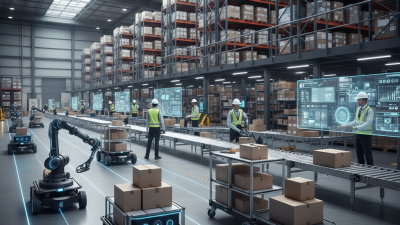
A business robot should begin with a measurable workflow, not a humanoid fantasy. In a small warehouse, that might mean moving sealed bins between two marked stations. Define the payload, cycle time, lighting, floor condition, safety boundary, and human handoff.
The International Federation of Robotics reported 541,302 industrial robots installed globally in 2023, with operational stock above 4.28 million.
Its World Robotics—Service Robots 2024 report recorded more than 205,000 professional service robots sold in 2023.
Adoption is real. Integration is still difficult.
Build a limited prototype, then program explicit states: perceive, decide, act, verify, and recover. Use simulation for reach, collisions, and unusual object positions. Store sensor events and operator overrides. Keep it boring. A reliable recovery routine matters more than a clever demo.
Test empty bins, blocked paths, poor lighting, network loss, and incorrect labels. These cases expose assumptions that polished demonstrations hide. I would not promise full autonomy early; supervised operation often produces better evidence and safer learning.
Connect the robot through controlled APIs to inventory, scheduling, maintenance, and access systems. Give each action an owner, timestamp, reason, and rollback path. Use least-privilege credentials and separate robot traffic from office networks. Measure order accuracy, mean time to recovery, utilization, and total cost per completed task. Review those numbers weekly. A robot that moves quickly but creates reconciliation work is not automation; it is relocated labor.
Test, Deploy, Monitor, and Improve the Robot in Daily Operations
A business robot becomes useful only when it performs reliably during ordinary work. Define one clear task, such as checking stock levels or sorting service requests. Test it with real examples, including incomplete forms, unusual requests, and busy periods. Record errors instead of hiding them. Our first deployment was too optimistic because clean test data ignored rushed employees and missing information.
Deploy the robot gradually, starting with one team and a limited workload. Give staff a clear manual fallback when the system becomes uncertain. Monitor response time, accuracy, failed actions, and human overrides every day. A simple dashboard can reveal repeated problems, such as delays at 3 p.m. or mistakes after a software update. Review a small sample of decisions weekly. Human judgment still matters. Some improvements may reduce speed while increasing safety, so measure both.
Tips: Set an owner for daily monitoring. Keep an incident log with dates and causes. Test updates in a separate environment before release. Ask employees what feels confusing, not only what fails. Do not treat early success as proof of long-term reliability. Robots can drift when customer habits, product details, or workplace routines change. Improve one behavior at a time, then compare results with the previous week.
How to Create a Robot for Your Business in 2026? — Test, Deploy, Monitor, and Improve the Robot in Daily Operations
Operational control table for evaluating a business robot from pilot testing through continuous improvement.