How to Buy Rethink Robotics Robots for Your Business?

Buying a rethink robot for your business requires more than comparing prices and arm reach. It requires a clear view of workflow, safety, training, and long-term support. The International Federation of Robotics reported 541,302 industrial robot installations worldwide in 2023. Its World Robotics 2024 report also recorded more than 4.28 million robots operating globally. These figures show strong adoption, but they do not guarantee a suitable investment for every factory.

Start with one repetitive task. Imagine a worker lifting a 3-kilogram component beside a CNC machine every 45 seconds. A collaborative robot may reduce strain and stabilize production. However, cycle time, gripper design, machine communication, and floor space still matter. Request a live demonstration using your parts. Ask the supplier to measure reach, repeatability, recovery time, and programming effort. A polished showroom test can hide difficult production details.

Rodney Brooks, founder of Rethink Robotics, said, “The robots are coming, but they are not coming for your jobs.” His point supports a practical buying mindset: automation should help people perform safer and more valuable work. It should not be treated as a magical labor replacement. Compare the robot’s total cost, including installation, software, maintenance, integration, and employee training. Check warranty terms and local technical coverage. A cheap unit may become expensive when support is distant.

The best rethink robot purchase begins with a documented business case. Measure current labor hours, defects, downtime, and safety concerns. Then calculate realistic payback. Do not trust optimistic estimates without production data. Some assumptions will be wrong. That is normal, and worth reviewing before signing an order.
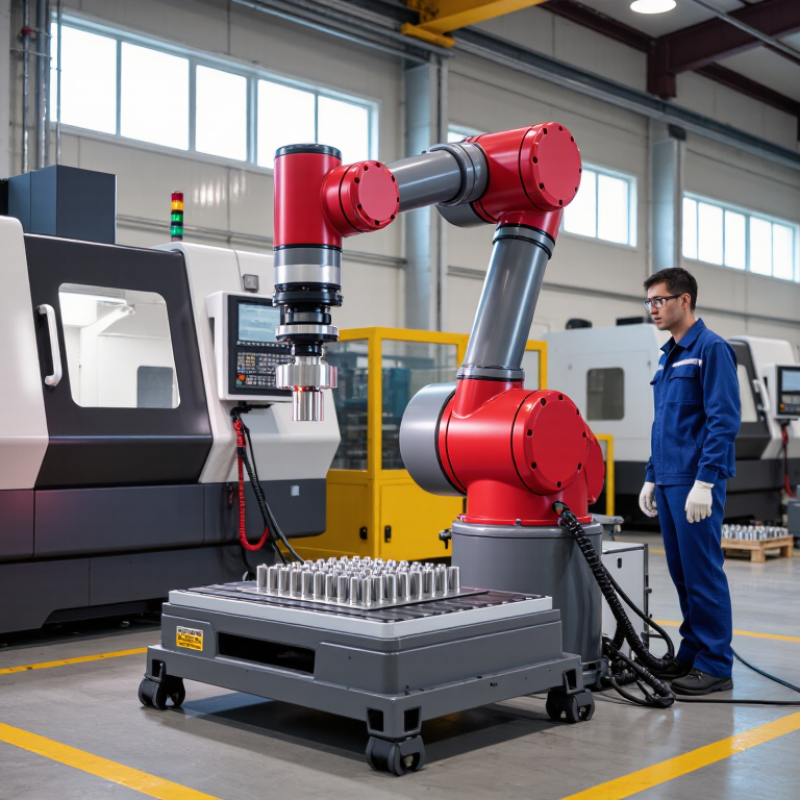
How to Buy Rethink Robotics Robots for Your Business?

Understanding Rethink Robotics and Its Product Range

How to Buy Collaborative Robots for Your Business?

Understanding the product range matters more than choosing the newest model. A typical portfolio includes lightweight arm robots, higher-payload arms, vision systems, and mobile platforms. Small arms suit machine tending, packing, and laboratory handling. Larger systems manage heavier parts or longer reaches. Check payload, reach, repeatability, cycle time, and controller compatibility. A five-kilogram payload may not handle a bulky five-kilogram object safely.

Industry demand supports careful evaluation. The International Federation of Robotics reported 541,302 industrial robots installed worldwide in 2023. Its World Robotics 2024 report also recorded more than 4.2 million robots operating globally. The Association for Advancing Automation reported 31,159 robot orders in North America during 2023. These figures show adoption, not automatic payback.

Request a live demonstration using your materials, fixtures, and actual cycle times. Measure setup effort, recovery after a stopped cycle, and operator training hours. Confirm safety functions, service response, spare-part access, and software licensing. Calculate total cost, including grippers, vision, guarding, integration, maintenance, and training. My first estimate is usually too optimistic. Integration delays can quietly erase expected savings. Review the supplier’s technical documentation and independent test evidence. Ask whether the robot can transfer between tasks without extensive reprogramming. A clear answer is valuable. Test it anyway.

Assessing Your Business Needs and Robot Applications

Before buying a collaborative or industrial robot, define the exact business problem. Record cycle time, payload, reach, accuracy, floor space, and shift patterns. A twelve-kilogram part moved every forty seconds needs different equipment from delicate inspection work. Observe operators for one full shift. Their workarounds often reveal the real application.

The International Federation of Robotics reported 541,302 industrial robots installed worldwide in 2023. Its World Robotics 2024 report also recorded about 4.28 million robots operating globally. These figures show growing adoption, but they do not prove suitability for every factory. Deloitte’s 2024 Smart Manufacturing and Operations Survey found that 92% of surveyed manufacturers viewed smart manufacturing as important for competitiveness. Still, software, fixtures, training, and maintenance can exceed the robot’s purchase price.

Test the proposed application with representative materials. Check whether lighting changes, dust, or uneven parts affect performance. For example, a robot loading a machine should be assessed beside the actual machine, not only in a showroom. Measure human walking distance, loading delays, rejected parts, and recovery time after faults. Safety assessment must include guarding, speed limits, emergency access, and operator training.

A neat spreadsheet can still lie.

Estimate payback using verified production data, not optimistic targets. Include integration hours and spare components. I have seen teams automate a repetitive task, then discover that upstream variation created most delays. That is an uncomfortable finding, but it prevents an expensive mismatch.

Checking Compatibility, Safety, and Workplace Requirements

How to Buy Collaborative Robots for Your Business

Buying a robot should begin with the workplace, not the product brochure. Measure bench height, aisle width, lighting, and available floor space. Check payload, reach, repeatability, and tool compatibility against your actual tasks. A robot that lifts boxes may struggle with flexible bags or uneven parts. Confirm communication protocols and power requirements with your automation engineer. Small mismatches become expensive delays.

Tips: Photograph the proposed work area before requesting quotes. Mark the robot’s full reach with tape. Ask suppliers for cycle-time tests using your materials. Review guarding, emergency stops, speed limits, and risk-assessment documents with a qualified safety professional. Local machinery rules still apply, even when the robot is called collaborative. Operators also need practical training, not only a short demonstration.

Watch the surrounding process. A safe arm can become hazardous near conveyors, sharp tools, forklifts, or unexpected human movement. Test normal work, cleaning, maintenance, and restart conditions. Include noise, heat, dust, and changing shift patterns in the review. Your first layout may look perfect on paper, but real workstations are rarely tidy. I would leave extra clearance and budget for adjustments. That choice can feel wasteful, yet cramped installations often create slower work and repeated safety concerns.

Comparing Suppliers, Pricing, Support, and Purchase Options

Buying a collaborative robot for business requires more than comparing catalog prices. Start by defining the task: payload, reach, cycle time, workspace, and operator interaction. During site visits, measure table height and note cable routes before requesting quotations. Small details matter. Ask each supplier for a live demonstration using a similar part, not a polished sample. Request documented payload tests, safety assessments, warranty terms, and integration responsibilities. This evidence is more useful than confident sales language.

Pricing should include the robot, gripper, vision equipment, installation, training, software access, and future maintenance. A low initial quote may become expensive after custom fixtures and programming are added. Compare three written proposals with identical technical requirements. Check delivery dates carefully. Delays can disrupt production plans and employee training. I would also ask whether spare cables, sensors, and controller components are locally available.

Support quality often decides whether automation succeeds. Look for named technical contacts, response targets, remote diagnostics, and hands-on training. Speak with current users about downtime, not only successful demonstrations. Purchase options may include direct buying, leasing, financing, or a short pilot project. Leasing protects cash flow, but ownership usually offers greater control later. A pilot reduces risk, although it can hide problems that appear during longer shifts. My own preference is a measured trial with real parts, recorded cycle times, and a written acceptance checklist. Even then, the first estimate may be wrong. Recheck it.

Planning Installation, Training, and Long-Term Robot Management

How to Buy Rethink Robotics Robots for Your Business?

Buying a collaborative robot should begin with the worksite, not the catalog. Define payload, reach, cycle time, gripper requirements, floor space, and operator interaction. A site survey should check power, network access, guarding, lighting, and maintenance space. The International Federation of Robotics reported 541,302 industrial robots were installed worldwide in 2023. This growth signals opportunity, but it also increases pressure on integration teams.

Installation planning needs clear ownership. Confirm who handles mechanical setup, software integration, risk assessment, and production acceptance. Request a realistic commissioning schedule, spare-parts list, and response times for technical support. Training should cover programming, safe restart procedures, fault recovery, cleaning, and daily inspection. The training must include operators and supervisors. Otherwise, knowledge stays with one technician. That is risky.

Long-term management deserves equal attention. Deloitte’s 2023 smart manufacturing survey found that 86% of manufacturing leaders expected smart operations to become a major competitiveness driver within five years. Track uptime, cycle time, error codes, maintenance hours, and rejected parts after launch. Review these measures monthly. No plan is perfect. A pilot may reveal awkward reach zones, underestimated changeover time, or confusing alarms. Treat those findings as evidence, not failure. Keep software updates controlled, document every adjustment, and refresh training when the process changes. A robot that works today still needs accountable human management tomorrow.

Scroll to Top