What Is Autonomous Logistics and How Does It Work?

Autonomous logistics describes supply chains that sense conditions, make decisions, and move goods with limited human intervention. It includes autonomous mobile robots, robotic picking systems, driver-assistance technologies, smart warehouses, and increasingly coordinated transport networks. DHL’s Logistics Trend Radar 7.0 identifies autonomous vehicles and robotics as important forces shaping logistics operations. The International Federation of Robotics also recorded 4.28 million industrial robots operating worldwide in 2023. That figure does not represent logistics alone, but it shows how quickly automation infrastructure is expanding.

The idea sounds seamless. Reality is messier. A warehouse robot may pause when a pallet blocks its camera, or when inventory data is wrong by one location. Autonomous logistics therefore depends on reliable sensors, clean data, safe facility design, and trained human oversight. Robotics expert Rodney Brooks captured this balance when he wrote, “The robots are coming, but they are not going to take your jobs.” His observation remains useful because automation often changes work before it removes work. Employees may monitor fleets, resolve exceptions, and maintain robotic equipment instead of pushing carts.

This article explains how autonomous logistics works, from perception and route planning to warehouse execution and delivery coordination. It also examines measurable benefits, including shorter travel distances, improved order accuracy, and safer repetitive tasks. Yet adoption is not automatic. Costs, integration gaps, cybersecurity risks, and unusual operating conditions can weaken attractive pilot results. The technology is advancing, but careful implementation still matters more than impressive demonstrations.
What Is Autonomous Logistics and How Does It Work?

What Autonomous Logistics Means and What It Includes

Autonomous logistics is the coordinated movement and handling of goods with limited, task-specific human direction. It includes software, sensors, automated equipment, and people who monitor exceptions. The aim is not simply to remove workers. It is to make routine flows more predictable while keeping people responsible for decisions that need judgment.

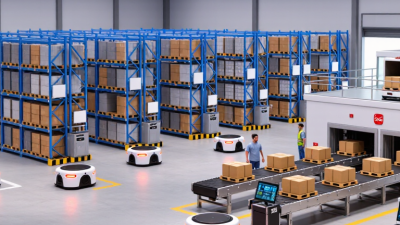
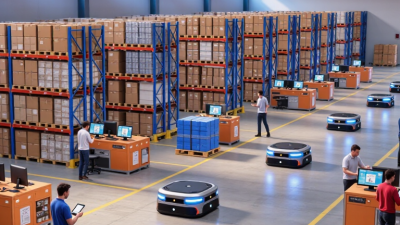
In a warehouse, this may involve mobile robots carrying totes between storage shelves and packing stations. At a distribution center, software can assign dock doors, track inventory, and adjust routes when a shipment arrives late. Sensors provide information such as location, load, and battery level. Planning systems use that information to choose the next task. The pieces must communicate clearly. Otherwise, a small data mismatch can send a cart to the wrong aisle.

It is a system, not a single machine. Some operations are highly automated; others still depend on manual checks and careful coordination. That distinction matters. Dust, crowded walkways, or an incorrectly labeled pallet can disrupt a smooth plan. A useful design includes safety controls, maintenance routines, and a way for workers to pause or redirect equipment. Automation can reduce repetitive handling, but it cannot make every exception disappear. And it may create new ones.

The Core Technologies Behind Autonomous Logistics

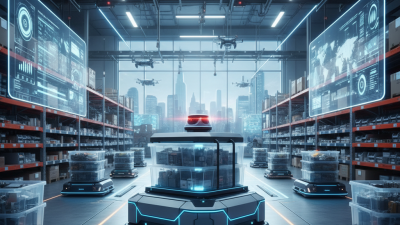
Autonomous logistics combines machines, software, and real-time data to move goods with less manual control. Sensors such as cameras, lidar, and depth scanners help mobile robots detect shelves, people, and obstacles. They build a changing picture of the work area. Not a perfect one.

Artificial intelligence interprets sensor data and helps systems choose routes, adjust speed, or assign tasks. A warehouse robot might pause when a worker steps into its path, then recalculate its route. Fleet-management software coordinates multiple machines, while warehouse and transport systems share orders, inventory updates, and delivery schedules. Reliable wireless connections keep these tools aligned, though signal gaps can still slow operations.

Safety depends on more than smart navigation. Clear operating zones, emergency stops, routine maintenance, and human supervision help manage unexpected conditions. It matters. Data security also deserves attention, because connected equipment can expose sensitive operational information if poorly managed. In practice, the hardest part may be integrating new tools with older buildings and processes. A sensor can detect a pallet, yet still misread a dark or cluttered corner. That gap calls for testing, careful adjustment, and people who know when automation needs a second look.

Autonomous logistics combines sensing, connectivity, AI, automation, and safety systems to help equipment perceive its environment, make decisions, and carry out tasks. The bars indicate the technologies’ roles in a typical system, not measured performance or market adoption.

How Autonomous Logistics Operates Step by Step

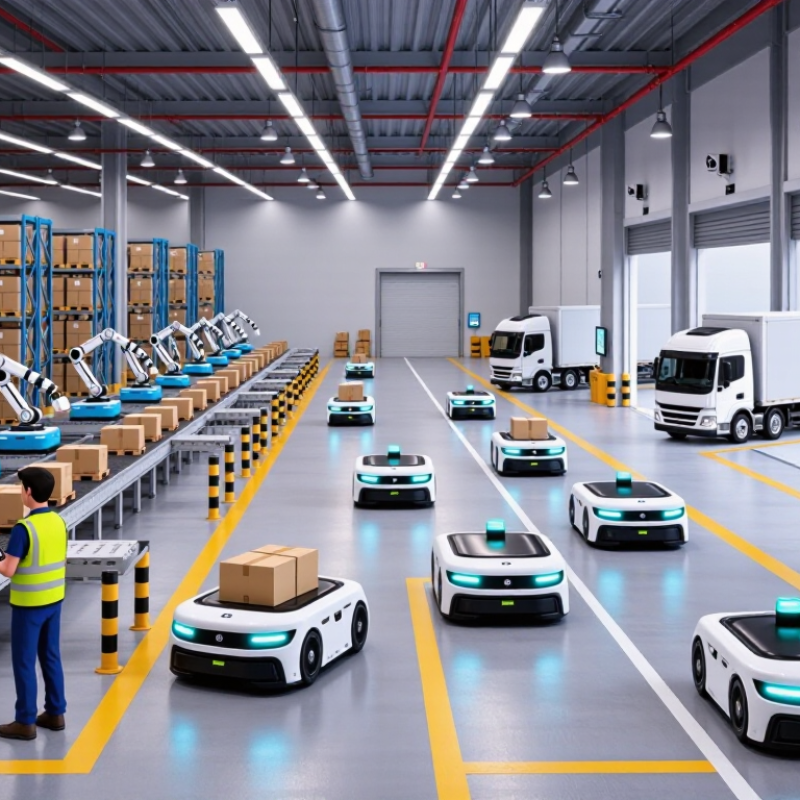
Autonomous logistics operates through a connected sequence of sensing, planning, movement, and correction. A warehouse system first receives an order and checks inventory, location, weight, and delivery deadlines. Sensors then map aisles, pallets, vehicles, and people. Software converts these signals into a task plan. It may assign a mobile robot to collect a carton from shelf B-14.

The robot selects a route, avoids obstacles, and reports each movement to the warehouse system. Barcode scans or vision cameras confirm the correct item. A human worker may handle damaged packaging or unusual shapes. That human checkpoint remains important. The International Federation of Robotics reported 541,302 industrial robot installations worldwide in 2023, showing the scale of automation investment, though industrial robots are not identical to logistics machines.

After picking, autonomous systems coordinate packing, dock scheduling, and yard movement. A transport platform compares traffic, vehicle capacity, weather, and delivery windows. It can recalculate a route when a road closes. The system also records delays, errors, battery levels, and completed tasks. Data from each trip improves later decisions.

Not perfectly autonomous.

A sensor can misread a reflective surface. Poor inventory data can produce an efficient but wrong decision. The MHI 2024 Annual Industry Report highlights robotics, analytics, and artificial intelligence as major supply-chain technology priorities. Still, responsible deployment needs clear human override rules, regular testing, and transparent performance records. Efficiency matters, but a fast mistake can travel through the entire network.

What Is Autonomous Logistics and How Does It Work? — How Autonomous Logistics Operates Step by Step

Step Stage What Happens Data and Technology Used Typical Result
1 Capture an order An order enters the logistics system with its items, quantity, destination, and requested delivery window. Order records, inventory availability, delivery requirements, and customer-provided address details. A validated order ready for fulfillment planning.
2 Plan fulfillment Planning software selects a fulfillment location and determines how the order should be picked, packed, and dispatched. Stock levels, facility capacity, order priority, labor or equipment availability, and service constraints. A fulfillment plan that considers available resources and delivery commitments.
3 Pick and move goods Warehouse systems assign work to people or automated equipment. Mobile robots may transport shelves, totes, or goods along mapped routes. Warehouse maps, task queues, barcode or RFID scans, robot sensors, and equipment status. Items are collected and moved to packing or staging areas with inventory records updated.
4 Pack and prepare Items are checked, packed, labeled, and assigned to a shipment. Automated systems can assist with sorting and conveyance. Item scans, package dimensions and weight, handling requirements, and shipment labels. A shipment prepared for dispatch and linked to its order information.
5 Choose a route and mode A transport planning system groups shipments and selects routes and available transport options that meet operational constraints. Road networks, distance, vehicle capacity, delivery windows, traffic information, and applicable restrictions. A dispatch plan with assigned shipments, vehicles, and planned stops.
6 Dispatch and monitor Vehicles or other transport assets are dispatched. Connected systems report location and status while the shipment is in transit. GPS or other positioning data, telematics, route progress, vehicle status, and estimated arrival times. Shipment visibility and updated arrival estimates; exceptions can be flagged for review.
7 Deliver and confirm The shipment reaches its destination. Delivery is recorded using an agreed confirmation method, such as an electronic scan or recipient confirmation. Stop status, time and location, delivery instructions, and proof-of-delivery records. A completed delivery record or an exception requiring follow-up.
8 Learn and improve Operational results are reviewed to identify delays, recurring exceptions, capacity issues, and opportunities to refine plans. Actual versus planned times, delivery outcomes, resource utilization, exception records, and cost data. Better-informed planning rules and operational decisions for future shipments.

Autonomous logistics uses connected software, data, and automated equipment to coordinate logistics activities. The level of automation varies by task; many operations combine automated decisions and machines with human supervision and exception handling.

Where Autonomous Logistics Is Used Across Supply Chains

Autonomous logistics appears at several points along a supply chain, not just inside warehouses. At a distribution center, mobile robots can move totes between picking areas and packing stations. Automated forklifts may carry pallets from receiving bays to storage rows, following mapped routes and slowing near workers. These systems use sensors, cameras, and warehouse software to detect obstacles and coordinate tasks. A human still handles exceptions, such as a damaged pallet or a blocked aisle. It is not magic.

The same approach can support manufacturing, ports, and delivery networks. In factories, scheduled vehicles bring components to assembly lines when stock runs low. At ports, automated equipment can move containers through designated yards, where accurate location data matters. On public roads, autonomous delivery vehicles may serve short, well-defined routes, while dispatch software adjusts schedules as orders change. Temperature-controlled supply chains can also use connected sensors to flag a refrigerator that is warming during transit. Small changes matter.

The benefits depend on the setting. A robot that saves walking time in one warehouse may create congestion in another. Systems need reliable maps, maintained equipment, and clear procedures for human intervention. That part is often underestimated. Companies should measure missed deliveries, damage, and downtime alongside speed. No single tool fits every link; the most useful deployment usually solves a specific, observable bottleneck.

Benefits, Challenges, and Future Development of Autonomous Logistics

Autonomous logistics uses software, sensors, robots, and connected vehicles to move goods with limited human control. In a warehouse, cameras identify a carton, algorithms select a route, and an automated vehicle carries it to a packing station. The system can also predict demand and adjust inventory locations.

The benefits are practical. Operations may run longer, reduce repetitive lifting, and improve delivery visibility. The International Federation of Robotics recorded 541,302 industrial robot installations worldwide in 2023, showing how quickly automation is expanding. Yet robots do not remove every problem. Poor data can send goods to the wrong shelf. Network failures can stop an entire workflow. The World Economic Forum’s Future of Jobs Report 2023 found that 44% of workers’ skills may be disrupted within five years. That warning matters. Human supervision and reskilling remain necessary.

Tips: Start with one predictable process, such as pallet movement. Measure picking accuracy, downtime, safety incidents, and energy use before expanding. Keep a manual fallback. It feels old-fashioned, but it protects operations during sensor errors or software updates. Future systems will likely combine edge computing, digital twins, low-emission vehicles, and safer human-robot collaboration. Still, autonomous logistics is not fully “hands-off.” Weather, unusual packages, and incomplete training data can expose weak decisions. The technology improves, but people must question its assumptions.

Scroll to Top